
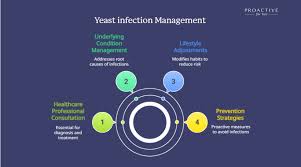
Vulvovaginal candidiasis, known commonly as yeast infection, is one of the most frequently occurring acute gynaecological complaints in primary care. Roughly 75 percent of women experience at least one episode in their lifetime, and a meaningful subset experience recurrent episodes that warrant ongoing clinical management. The historical treatment pathway involved a GP appointment, a clinical examination, and a prescription collected in person. That pathway has now largely been replaced by virtual care, and the shift is worth understanding because it has changed both access and outcomes for patients with recurrent episodes.
Key points
- Symptom-led virtual consultations can diagnose and treat uncomplicated yeast infections in over 85 percent of presenting cases.
- The biggest clinical win to virtual care is speed: from symptom onset to treatment delivery in under 48 hours in most markets.
- Recurrent cases benefit particularly because established patients can re-access the same provider without repeating full workup visits.
Why virtual care works for this condition
Yeast infection is one of the conditions where a well-constructed symptom questionnaire captures most of the clinically relevant information. The characteristic presentation, the absence of red-flag features that would warrant in-person assessment, and the standardised first-line treatment all mean that a trained clinician can safely prescribe without examination in most cases. The remaining cases, which include complicated or recurrent presentations, get flagged by the questionnaire and routed to in-person care.
From a patient perspective, the speed advantage is often the single biggest factor. Symptom onset to treatment delivery in under 48 hours is a meaningful improvement on the traditional pathway, where the appointment availability window alone can run to 4 or 5 days. For a condition that is acutely uncomfortable, the time saving translates directly into reduced suffering.
What to look for in a virtual provider
A well-designed virtual yeast infection service handles four things well: symptom triage, prescribing, treatment delivery, and follow-up. The triage step screens out cases that need in-person care. Prescribing is typically asynchronous, with a clinician reviewing the questionnaire and confirming the prescription. Treatment delivery goes either to the patient’s home or to a local pharmacy. Follow-up is a short review at 7 to 14 days to confirm resolution.
Platforms that cover all four steps tend to produce better outcomes than those that stop after prescribing. Services like yeast infection treatment online from Galileo are built around this full pathway, which matters particularly for patients with recurrent episodes who need continuity rather than one-off prescribing.
Recurrent cases and longer-term management
For patients with four or more episodes in a year, the clinical guidance is to investigate contributing factors and to consider suppressive therapy. Virtual care is well-placed to support this conversation because the provider already has the history from previous consultations, which accelerates the diagnostic workup and the decision about ongoing management. In-person referral can still be the right step if the suppressive therapy is not working or if there are features suggestive of an alternative diagnosis.
Conclusion
Virtual care is now the default treatment pathway for uncomplicated yeast infections, and the shift is a quiet success story for digital health. The speed, continuity, and convenience advantages are real, and the clinical outcomes are equivalent or better than traditional pathways for the conditions where the category works. Patients with recurrent episodes benefit most, because the continuity of care that virtual platforms offer is often better than what they would experience across multiple GP visits.
Related posts:
 Who Is Calling From 14075830183? What You Need to Know About This Mysterious Florida Number
 The Many Struggles of a Digital Nomad and How to Deal with Them
 Understanding Long-Term Disability Claims in Michigan and Workplace Injury Legal Support
 Canada Visa for Indians Planning a Summer in the Great White North
 How VR Porn Is Challenging Traditional Views on Sex and Connection
Leave a Reply