
Unlike standard play where you fight the house edge, a tournament is a “Zero-Sum” environment where your true opponents are the other players sitting at the digital table. Whether you are spinning for a share of a $650,000 seasonal prize pool or competing in a 15-minute “Sit-and-Go” blackjack match, success in 2026 requires more than just luck. It demands a sophisticated understanding of pacing, “Swing Hands,” and leaderboard psychology. This article provides the competent player with the technical and tactical tools needed to climb the rankings and secure a podium finish.
Technical Mechanics of 2026 Leaderboards
Before you can win, you must understand the “Scoring Engine” behind the tournament. In 2026, most top-tier casinos like Unibet have moved away from simple “Total Wager” rankings to avoid favoring only high-rollers. Instead, they utilize Equalized Scoring Systems that reward efficiency and skill.
The most common scoring models this season include:
- Highest Single Win Multiplier: Your score is based on your win relative to your bet size (e.g., a $50 win on a $1 bet beats a $500 win on a $100 bet).
- Consecutive Win Streaks: Points are awarded for hitting three or more winning spins in a row.
- Aggregated Points Per Win: Small wins earn 10 points, medium wins 50, and “Big Wins” 500, regardless of the bet amount.
Strategy for Slot Tournaments: The Speed Advantage
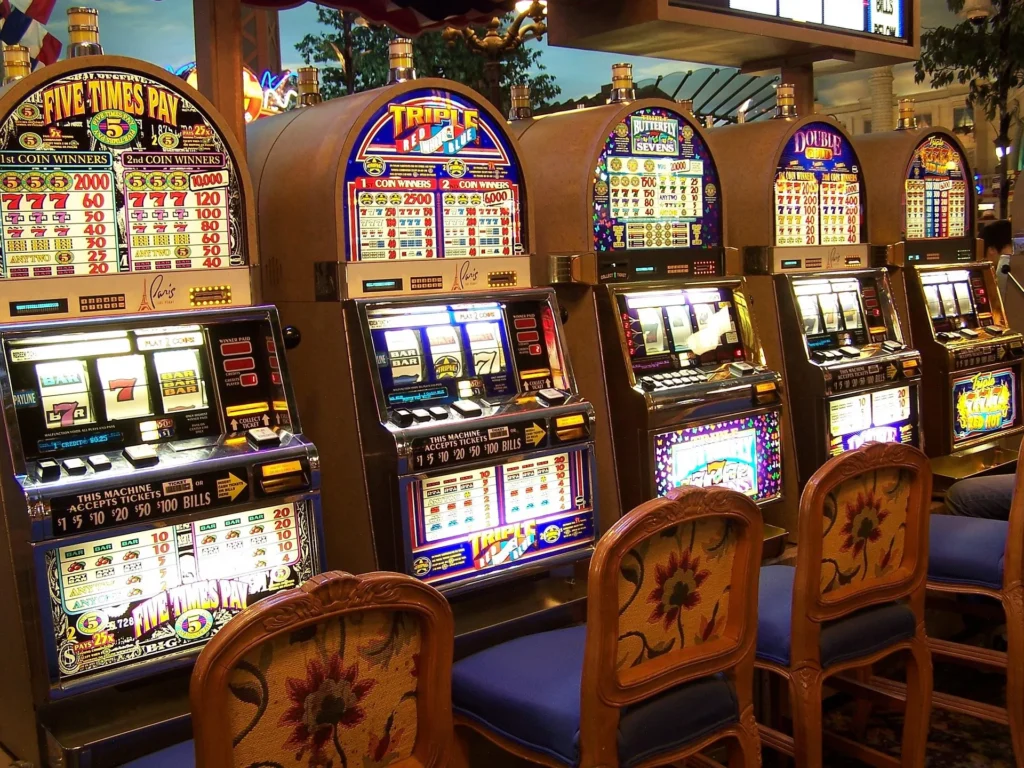
In a slot tournament, the math is fixed, but the Volume of Opportunity is within your control. Most 2026 tournaments are “Timed Sessions” where you have a set number of minutes or credits to achieve the highest score.
Maintaining Maximum Spin Velocity
The primary secret of slot tournament pros is “The Finger.” Since you cannot control what the reels show, you must control how many times they turn. In 2026, automated “Auto-Spin” features are often disabled in competitive play to test player focus. You must manually tap the spin button as soon as the previous animation finishes.
- Ignore the Tally: Do not stop to watch your wins count up on the screen; the server tallies them in the background.
- Focus on the Reels: Your only job is to keep the machine moving. Every second wasted is a lost opportunity for a high-multiplier hit.
Managing the Final Two Minutes
Analytics from early 2026 tournaments suggest that the leaderboard shifts most dramatically in the final 120 seconds. This is known as “The Late Surge.” If you have credits remaining near the end of the timer, you must increase your bet size (if allowed) to maximize the potential of your remaining “volume.”
Performance Metrics: Tournament Success Data
To help you choose the right event, we have curated a table comparing the three most dominant tournament formats in the 2026 market. These figures reflect average entry costs and potential returns based on recent global data.
| Tournament Type | Typical Buy-In | Player Volume | Primary Goal | Winning Logic |
| Slot Freeroll | $0.00 | High (10,000+) | Volume | Multiplier Efficiency |
| Sit-and-Go Blackjack | $10 — $50 | Low (6 — 10) | Survival | Chip Lead vs. Opponents |
| Seasonal Multi-Stage | $100+ | Medium (500+) | Consistency | Total Points Over Time |
| Live High-Roller | $1,000+ | Elite (50) | Aggression | Maximum Single Win |
Strategic Tactics for Blackjack Tournaments
Blackjack tournaments are the ultimate test of “Positioning.” Unlike regular 21, you are not just trying to beat the dealer; you are trying to end the round with more chips than the person sitting to your left.
The Power of Table Position
In 2026, most professional tournaments use a “Moving Dealer Button” similar to poker. This ensures that the order of betting changes every hand.
- Acting Last is a Gift: If you are the last to bet, you can see exactly how much your rivals have wagered. If the leader bets big, you can bet small to “wait for a bust.”
- Shadow Betting: If you are currently the chip leader, your best move is often to “Shadow” your closest rival. If they bet $500, you bet $500. If you both win or both lose, you stay ahead.
Executing the “Swing Hand”
A “Swing Hand” is the moment where your win and your opponent’s loss completely flips the standings.
- Opposite Betting: If you are trailing significantly in the middle stages, start betting the opposite of the leader. If they bet small, you go big. This creates “Separation” and allows you to catch up in a single hand if the dealer busts.
- The Final Hand All-In: On the very last hand of a tournament, if you are not the leader, there is no reason to leave chips on the table. Bet exactly what is needed to pass the leader by $1, or go “All-In” if the gap is too large.
Related posts:
 How to Make Money: Secret Tips on “Pronostic Quinté,” the French Horse Racing Betting Pool
 Why You Might Have A Problem Cashing Out Your Casino Bonus
 Pave the Way for Storms to Come: The Complete Sneak Peek of the 2024-25 NBA Season
 Crafting a Winning Casino Business Plan: The Essential Guide
 The Future Of Online Gambling: Trends To Watch In 2025 And Beyond
Leave a Reply