

MetaTrader 4 (MT4) and MetaTrader 5 (MT5) are two of the most popular trading platforms in the financial markets. While MT4 has dominated the forex trading industry for nearly two decades, MT5 has been gaining traction since its introduction in 2010. Understanding the differences between these platforms is crucial for traders deciding which one best suits their trading needs.
Platform Architecture and Performance
The fundamental difference between MT4 and MT5 lies in their core architecture. MT4 operates on a 32-bit system, while MT5 is built on a 64-bit platform. This architectural difference significantly impacts performance and stability. MT5’s 64-bit foundation provides better handling of large data volumes and complex calculations, resulting in faster execution speeds and improved stability. For traders dealing with multiple currency pairs and higher trading volumes, MT5 offers superior performance and reliability.
Asset Coverage
One of the most notable advantages of MT5 is its broader asset coverage. While MT4 is primarily designed for forex trading, MT5 supports multiple asset classes including stocks, commodities, cryptocurrencies, and indices. MT5 allows brokers to offer a comprehensive trading solution through a single platform. MT4, conversely, remains focused on forex and CFD trading. This makes MT5 the preferred choice for traders interested in diversified portfolio management across different markets.
Technical Analysis Tools
Both platforms offer robust technical analysis capabilities, but with different emphasis. MT5 includes an expanded set of technical indicators compared to MT4. MT5 provides over 80 built-in indicators and analytical tools, while MT4 offers approximately 50. Additionally, MT5 features an enhanced charting system with more timeframe options, allowing for more granular technical analysis. Traders who rely heavily on technical analysis might find MT5’s extended toolset more suitable for their strategies.
Programming and Expert Advisors
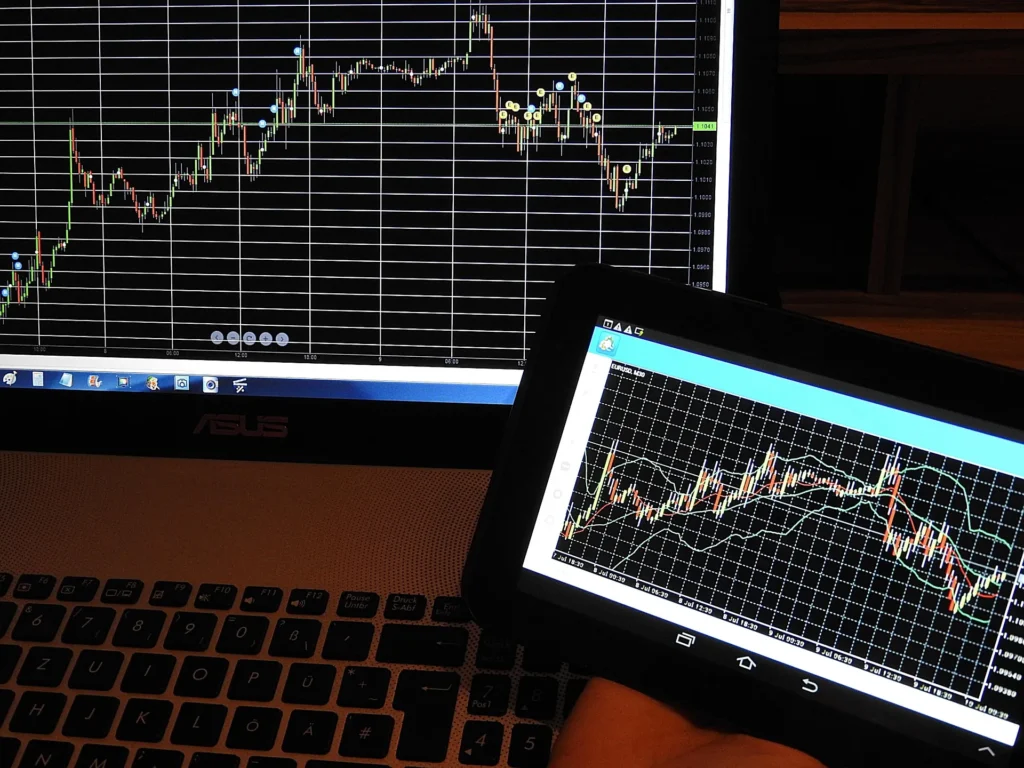
The programming languages differ significantly between the two platforms. MT4 uses MQL4, while MT5 uses MQL5. MQL5 is a more advanced programming language with improved syntax and more powerful features. MT5 offers better support for object-oriented programming, making it easier to develop complex Expert Advisors and trading bots. However, the extensive existing library of MT4 Expert Advisors means traders have access to thousands of pre-built strategies. MQL4 code cannot be directly converted to MQL5, which has created a barrier to migration for some traders.
Market Depth and Liquidity Information
MT5 provides more detailed market information through its Market Depth feature, showing multiple levels of buy and sell orders in real-time. This is particularly valuable for traders who need to understand market structure and liquidity conditions. MT4 lacks this feature entirely, relying instead on basic bid-ask spread information. Serious day traders and institutional investors often prefer MT5 for its superior market microstructure data.
Hedging and Position Management
Another significant difference is how each platform handles hedging. MT4 operates on a “netting” basis by default, automatically offsetting opposite positions. MT5 supports both netting and hedging modes, allowing traders to maintain multiple positions in the same instrument simultaneously. This flexibility in MT5 makes it suitable for traders who employ more sophisticated hedging strategies.
Broker Adoption
Despite MT5’s advantages, MT4 remains more widely supported by brokers, particularly in the forex industry. Many brokers continue offering only MT4, and some still view MT5 as the “newer” platform requiring additional infrastructure investment. However, the trend is gradually shifting, with more brokers adopting MT5 as their primary platform. This difference may influence a trader’s platform choice if their preferred broker doesn’t support MT5.
Learning Curve and Accessibility
MT4’s popularity means extensive documentation, tutorials, and community support are readily available. For beginners, this accessibility is invaluable. MT5, while improving in documentation, still has a steeper learning curve for those unfamiliar with more advanced platform features.
For more information on comparing MT4 and MT5, see the article – “MT4 vs MT5: Which is Better for Trading?” on Dukascopy.
Conclusion
Choosing between MT4 and MT5 depends on individual trading needs and preferences. MT4 remains an excellent choice for forex traders who value simplicity and community support, while MT5 is ideal for traders seeking advanced features, multi-asset trading, and superior technological infrastructure. As the industry continues evolving, MT5’s adoption is expected to increase, though MT4 will likely maintain relevance for years to come. Ultimately, both platforms are powerful tools that can serve traders well when chosen according to their specific requirements.
Related posts:
 How CMM Inspection Improves Efficiency in Production Lines
 AI Photo Generators Elevate Your Editing Without Quality Loss
 Avatar vs. Human: Who’s Better at Explaining Your Product in 30 Seconds?
 Can Treasury Management Software Make Borrowing Safer and Smarter?
 Water Damage Restoration Service Lanham: Fast & Efficient
Leave a Reply