
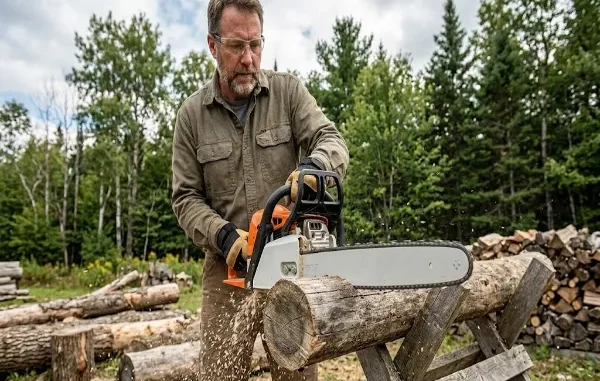
A chainsaw is only as effective as the cutting system that powers it. While buyers often compare motor output, battery capacity, or guide bar length, one of the most important factors in cutting performance is selecting the correct replacement chain. A mismatched chain can reduce efficiency, accelerate wear, and even compromise safety.
An 18 inch chain remains one of the most popular choices for homeowners and property owners because it offers an excellent balance of cutting capacity, maneuverability, and versatility. Whether you’re replacing a worn chain or preparing for seasonal property maintenance, choosing a compatible 18 inch chain helps maintain the cutting performance and reliability your chainsaw was engineered to deliver.
After more than a decade of working with chainsaws for storm cleanup, tree maintenance, and firewood preparation, I’ve found that many cutting problems are caused not by the saw itself, but by using an incompatible or poorly maintained chain. Matching the chain to the guide bar is one of the simplest ways to improve performance while extending equipment life.
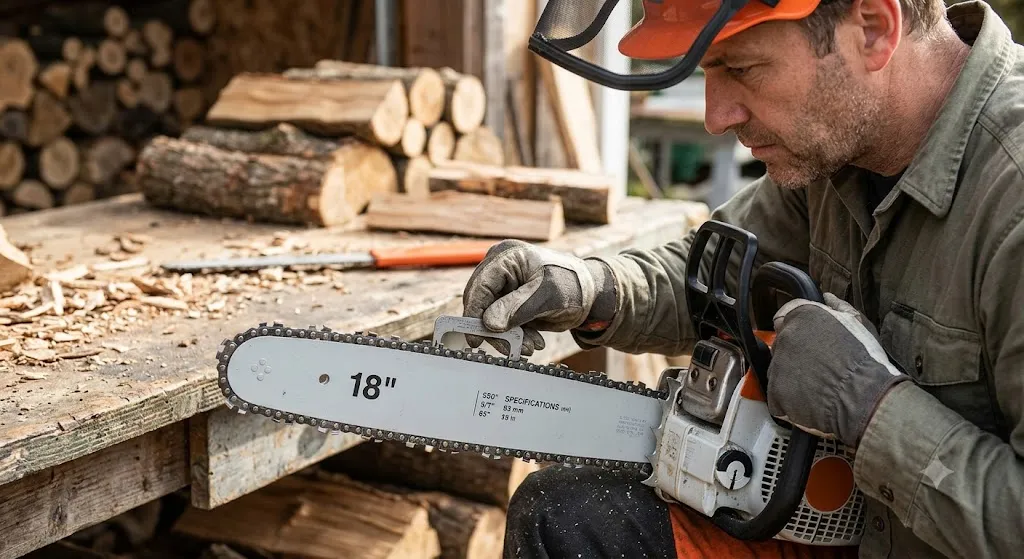
Why Matching Chain Length to Bar Size Is So Important
The guide bar and chain are engineered to function as a matched system.
When both components are correctly sized, they provide:
- Smooth chain movement
- Consistent cutting speed
- Proper chain tension
- Reduced vibration
- Better cutting accuracy
- Lower stress on the motor
Installing an incorrectly sized chain may lead to poor tracking, accelerated wear, or unreliable operation.
Selecting the manufacturer’s recommended replacement chain helps maintain both efficiency and safety.
Why an 18 Inch Chain Is One of the Most Versatile Options
An 18-inch guide bar strikes a practical balance between compact handling and cutting capability.
It is commonly used for:
- Storm cleanup
- Firewood preparation
- Medium-sized tree pruning
- Limb removal
- Property maintenance
- General residential wood cutting
For many homeowners, it offers enough reach for routine outdoor work without becoming unnecessarily heavy or difficult to control.
How Proper Chain Fit Improves Cutting Performance
A properly matched chain affects more than simply fitting around the guide bar.
Correct sizing contributes to:
- Cleaner cuts
- Faster material removal
- Improved chain stability
- Reduced friction
- Better chip evacuation
- Lower operator fatigue
When the chain moves smoothly through the guide bar groove, the saw maintains cutting efficiency with less effort from both the operator and the motor.
Understanding the Specifications Beyond Chain Length
Many homeowners mistakenly assume chain length is the only specification that matters.
In reality, replacement chains must also match:
- Pitch
- Gauge
- Drive link count
- Guide bar compatibility
Two chains labeled as “18-inch” may still differ significantly if these additional specifications do not match.
Always verify all measurements before purchasing a replacement.
The Outdoor Power Equipment Institute (OPEI) recommends using replacement components that meet the equipment manufacturer’s specifications to ensure safe and reliable operation.
18-Inch Chain vs. Shorter and Longer Chains
Choosing the right chain length depends on the work you perform most often.
| 18-Inch Chain | Shorter Chains | Longer Chains |
| Excellent balance of reach and control | Easier for light pruning | Better for larger trees |
| Suitable for most residential tasks | Limited cutting capacity | Increased weight |
| Good maneuverability | Highly agile | More demanding to control |
| Efficient for firewood preparation | Best for smaller branches | Better for heavy-duty felling |
| Versatile for year-round property maintenance | Specialized for compact work | Intended for larger-scale cutting |
For many residential users, an 18-inch setup provides the broadest range of practical applications.
Signs It’s Time to Replace Your Chainsaw Chain
Even with regular sharpening, chains eventually wear beyond their useful lifespan.
Watch for these warning signs:
- Excessive vibration
- Crooked cutting
- Frequent chain stretching
- Damaged or missing cutting teeth
- Visible cracks or severe wear
- Reduced cutting speed despite sharpening
Replacing a worn chain restores cutting performance while reducing unnecessary strain on the saw.
Best Practices for Maximizing Chain Performance
Routine maintenance significantly improves both cutting quality and equipment longevity.
Recommended habits include:
- Sharpen the chain regularly.
- Maintain proper chain tension.
- Lubricate with quality bar and chain oil.
- Clean debris from the guide bar groove.
- Inspect drive links before each use.
- Replace worn guide bars when necessary.
Consistent maintenance often extends chain life while producing cleaner, faster cuts.
Common Mistakes When Choosing a Replacement Chain
Many replacement issues result from purchasing the wrong specifications.
Avoid these common mistakes:
- Assuming all 18-inch chains are identical.
- Ignoring pitch and gauge measurements.
- Installing overly loose or overly tight chains.
- Continuing to use severely worn chains.
- Operating without adequate chain lubrication.
- Failing to inspect the guide bar during chain replacement.
Replacing both worn components together often restores optimal cutting performance.
How to Select the Right 18-Inch Replacement Chain
Before ordering a replacement, verify the following:
- Guide bar length.
- Chain pitch.
- Chain gauge.
- Drive link count.
- Manufacturer compatibility.
Matching all specifications ensures smooth operation while maintaining the performance your chainsaw was designed to deliver.
The U.S. Forest Service also emphasizes maintaining sharp, properly tensioned chains to improve cutting efficiency and reduce unnecessary operator effort during forestry and property maintenance tasks.
Frequently Asked Questions
No. Chains must also match the correct pitch, gauge, and drive link count in addition to overall bar length.
Sharpening frequency depends on cutting conditions. Many users sharpen whenever cutting speed declines or the saw begins producing fine sawdust instead of wood chips.
No. Chains must match the guide bar’s specifications. Incorrect sizing may compromise performance and safety.
Lifespan varies based on maintenance, wood type, cutting frequency, and operating conditions. Regular sharpening and lubrication can significantly extend service life.
Not always. However, if the guide bar shows excessive wear, damaged rails, or poor chain tracking, replacing both components together often produces the best results.
Final Thoughts: Proper Chain Selection Leads to Better Cutting Performance
A chainsaw performs best when every component of its cutting system works together. While engine power often receives the most attention, the guide bar and chain ultimately determine cutting precision, efficiency, and operator control.
An 18 inch chain continues to be a popular choice because it offers an ideal combination of versatility, maneuverability, and cutting capability for a wide range of residential property maintenance tasks. By matching the chain to the correct guide bar specifications, performing routine maintenance, and replacing worn components promptly, homeowners can enjoy safer operation, smoother cutting, and dependable performance season after season.
Related posts:
 Longhornsurvey com The Online Survey Platform
 Decoding The Real Slim Shady Lyrics
 Embracing the Paradox: The Power of Being Consistently Inconsistent
 The Ultimate Guide to Creating a Cozy and Functional Living Space with Home Goods
 Why Siding Plays a Key Role in Reducing Exterior Maintenance Throughout the Year
Leave a Reply