

Watching your dog hesitate before climbing stairs or struggle to stand after a nap can be heartbreaking. Osteoarthritis affects millions of dogs worldwide, especially as they age. New treatments like Liberla are changing how veterinarians manage chronic joint pain, offering an alternative to traditional medications.
As a loving dog owner, keeping your furry companion healthy, comfortable, and pain-free is always a top priority. Among the latest breakthroughs in veterinary medicine, “Liberla” has gained significant attention as an innovative solution for managing osteoarthritis pain in dogs. But what exactly is Liberla? How does it work, and what should pet owners know before considering it for their dogs? In this comprehensive article, we’ll explore everything you need to know about Liberla for dogs—from its benefits and usage to safety considerations and frequently asked questions.

What Is Liberla for Dogs?
Liberla is a prescription medication specifically developed for dogs suffering from osteoarthritis. Unlike traditional pain relievers, Liberla contains bedinvetmab, a type of monoclonal antibody designed to target and neutralize a protein involved in pain signaling. By doing so, Liberla provides relief from chronic pain and improves mobility and quality of life for dogs affected by joint discomfort. In veterinary medicine, Liberla is classified as a monoclonal antibody therapy—a biologic medication designed to precisely target pain molecules.
How Does Liberla Work?
Osteoarthritis causes inflammation and degeneration of the joints, resulting in persistent pain, stiffness, and reduced activity levels. Liberla works by:
- Targeting and blocking “nerve growth factor” (NGF), a key protein that plays a major role in transmitting pain signals associated with osteoarthritis.
- Reducing pain at its source, allowing dogs to move more freely and enjoy a better quality of life.
- Offering a new category of pain management unlike NSAIDs (nonsteroidal anti-inflammatory drugs), with a targeted therapeutic approach and less strain on organs such as the liver and kidneys.
| Feature | Librela | NSAIDs |
|---|---|---|
| Administration | Monthly injection | Daily medication |
| Targets | Nerve growth factor (NGF) | Inflammation |
| Liver/kidney impact | Lower risk | Potential concerns |
| Monitoring needs | Regular vet visits | Regular bloodwork often needed |
Is Liberla Better Than NSAIDs for Canine Pain?
While NSAIDs (nonsteroidal anti-inflammatory drugs) like Rimadyl or Metacam have long been the standard for managing canine arthritis pain, Liberla offers a new biologic approach that addresses pain at a molecular level. Unlike NSAIDs, which reduce inflammation and may cause strain on the liver, kidneys, or gastrointestinal tract with long-term use, Liberla targets nerve growth factor (NGF), preventing pain signals from reaching the brain without the systemic side effects typical of traditional medications.
For dogs that cannot tolerate NSAIDs due to pre-existing health conditions, age, or sensitivity, Liberla provides a safer alternative. Many veterinarians also report that combining Liberla with other supportive therapies, such as joint supplements or physical therapy, often results in better mobility and comfort than NSAIDs alone. While NSAIDs remain useful for acute inflammation or flare-ups, Liberla’s targeted, long-acting relief makes it an increasingly preferred choice for chronic osteoarthritis management in dogs.
Key Benefits of Liberla for Dogs
- Long-Lasting Relief: Liberla is administered as a monthly injection by a veterinarian, providing extended pain control without daily dosing.
- Improved Mobility: Most dog owners and vets report significant improvements in walking, playing, and overall activity.
- Non-Opioid, Non-NSAID: Reduces potential side effects associated with traditional pain medications.
- Well-Tolerated: Most dogs experience minimal side effects, making it suitable even for older pets or those with sensitivities.
Administration and Dosage
Liberla is given as a simple injection under the skin—usually at the veterinary clinic, once every month. Your veterinarian will determine the appropriate dose based on your dog’s weight and medical history. No oral medications or at-home procedures are required for this treatment.
Liberla Injection for Dogs
Liberla is administered as a monthly injection by a licensed veterinarian and is specifically approved for the management of osteoarthritis pain in dogs. This long-acting injectable medication is designed for convenience; a single injection gives sustained pain relief for approximately 28 days. Because the shot is given subcutaneously (under the skin), most dogs tolerate it very well, and there’s no need for daily pills or ongoing at-home dosing. Regular veterinary visits ensure that your dog receives the correct dosage and allows your vet to monitor progress.
Liberla Side Effects
Most dogs tolerate Liberla very well, but as with any medication, it can cause side effects in rare cases. Commonly reported side effects include mild temporary discomfort or swelling at the injection site and, less frequently, mild digestive disturbances such as vomiting or diarrhea. Serious adverse reactions are very rare but could include allergic responses or hypersensitivity to the active ingredient, bedinvetmab. It’s crucial to monitor your dog after each dose and contact your veterinarian immediately if you notice unusual behaviors or symptoms.
Because Librela can influence immune pathways, there is a risk — albeit uncommon — of secondary bacterial infections such as skin or urinary tract infections, as reported in clinical data. In cases where a veterinarian diagnoses an infection, they may prescribe antibiotics for dogs to treat it effectively. It’s important to work closely with your vet to ensure any antibiotic therapy is safe and appropriate for your pet.”
Liberla Dosage and Safety
The dosage of Liberla is determined by your veterinarian and is based on your dog’s weight. It is administered once a month via subcutaneous injection. Liberla is not recommended for dogs under 12 months of age, pregnant or lactating females, or dogs with known hypersensitivity to monoclonal antibody therapies. Before starting treatment, your vet will perform a full health assessment to ensure suitability. Always follow your veterinarian’s recommendations to maximize safety and effectiveness.
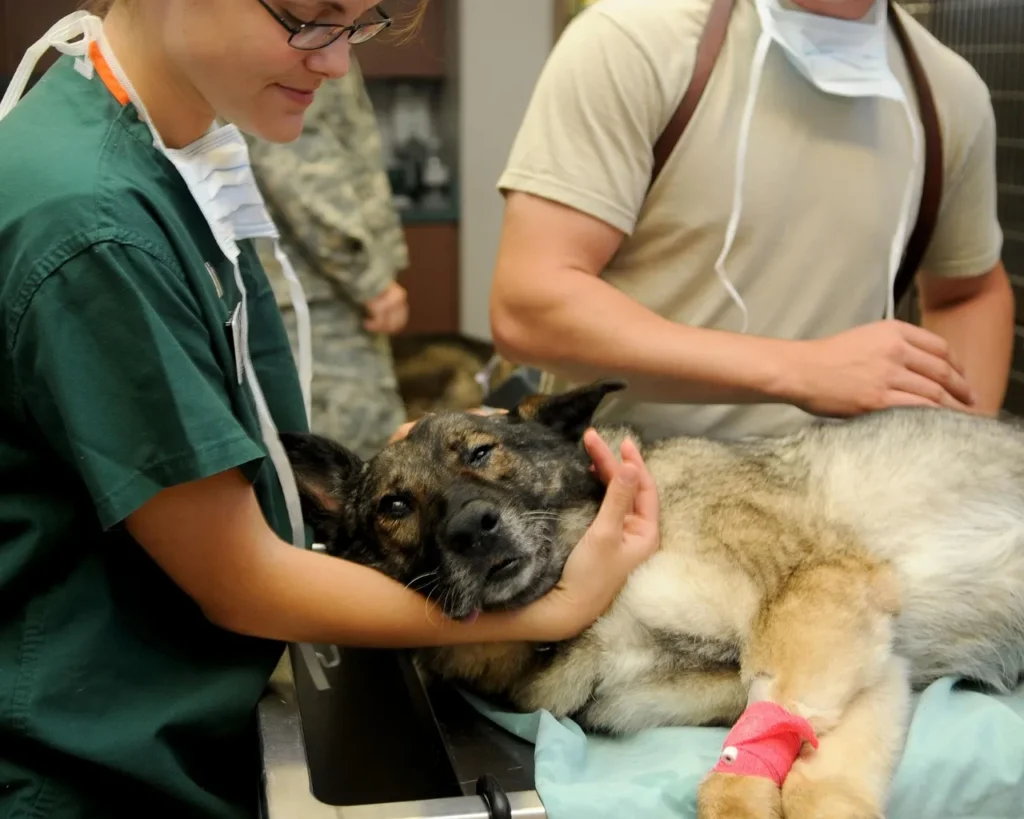
Osteoarthritis Treatment in Dogs
Osteoarthritis is a degenerative joint disease that affects many older dogs, causing pain, stiffness, and reduced mobility. Traditional treatments include NSAIDs, weight management, physical therapy, and joint supplements. Liberla introduces a new, biologic-based option for long-term pain management. By directly targeting the source of pain, Liberla can help restore mobility and improve your dog’s quality of life, especially in cases where conventional therapies have become less effective or cause unwanted side effects.
New Arthritis Medication for Dogs
Liberla represents the latest advancement in canine arthritis therapy. Unlike other medications that attempt to reduce inflammation or mask pain, Liberla works by selectively inhibiting the pain signal itself. This targeted mechanism allows for effective, sustained relief with fewer risks to organs like the liver and kidneys. As the newest offering in arthritis care, Liberla opens up possibilities for dogs who need safer, long-term solutions to manage their joint pain. Unlike NSAIDs such as Rimadyl or Metacam, Liberla targets pain at the molecular level rather than reducing inflammation.
Who Produces Liberla for Dogs?
Liberla for dogs is produced by Zoetis, one of the world’s leading animal health companies. Renowned for their commitment to veterinary innovation and research, Zoetis has developed Liberla as part of their mission to provide advanced medical solutions that improve the lives of pets. The company’s expertise in biologic therapies and pain management has positioned Liberla at the forefront of osteoarthritis treatment, giving veterinarians and pet owners a trusted option for long-term canine pain relief. With rigorous clinical testing and global distribution, Zoetis ensures the highest standards of safety, efficacy, and quality in every dose of Liberla.
Zoetis, a global leader in animal health, is the developer and manufacturer of Liberla. Their focus on scientific innovation and veterinary advancement has led to the creation of this ground-breaking biologic therapy for osteoarthritis in dogs. With proven success in clinical trials and growing usage in veterinary clinics worldwide, Zoetis Liberla is becoming an essential tool for veterinarians seeking to improve canine pain management and overall well-being. Trust in Zoetis reflects a commitment to high-quality care and the latest medical solutions for pets.
Is Liberla Safe for All Dogs?
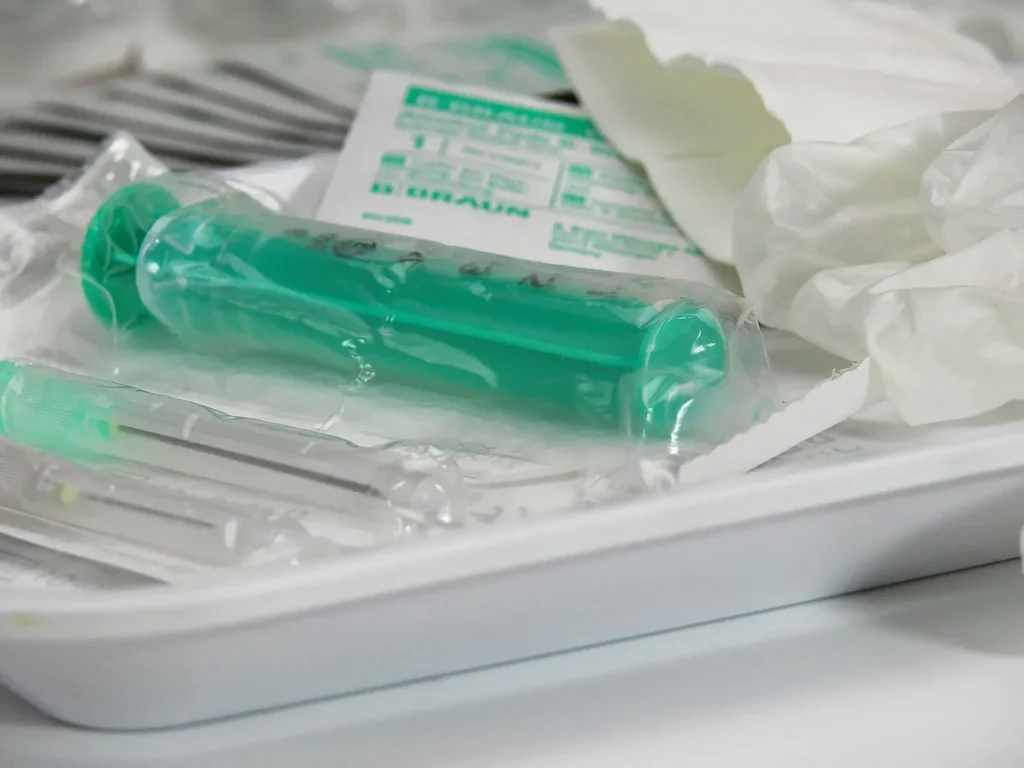
Liberla has undergone rigorous testing and is approved for veterinary use in many countries. However, as with any medication, there are a few important safety considerations:
- It should only be used in dogs diagnosed with osteoarthritis and prescribed by a qualified veterinarian.
- It is not recommended for use in pregnant, breeding, or lactating dogs due to a lack of safety data.
- Dogs with a history of hypersensitivity to monoclonal antibodies or serious illnesses may not be ideal candidates.
- Possible side effects, though rare, include mild reactions at the injection site, occasional digestive upset, or allergic responses.
Always consult your veterinarian before starting any new medication, and report any unusual symptoms promptly.
What Types of Dogs Respond Best to Liberla?
Veterinarians often recommend Liberla for dogs diagnosed with osteoarthritis who show signs of chronic pain, stiffness, or reduced mobility. While every dog responds differently, many vets report the most noticeable improvements in senior dogs and large breeds that commonly develop joint disease, including Labrador Retrievers, Golden Retrievers, German Shepherds, and mixed-breed dogs with age-related arthritis.
Liberla may be especially beneficial for dogs that cannot tolerate nonsteroidal anti-inflammatory drugs (NSAIDs) due to underlying kidney, liver, or gastrointestinal concerns. It can also be a valuable option for dogs that struggle with daily oral medications, as the treatment is administered as a convenient monthly injection at the veterinary clinic.
Dogs with mild to moderate osteoarthritis often experience the greatest gains in mobility, although pets with more advanced disease may still benefit as part of a broader treatment plan that includes weight management, physical therapy, and regular low-impact exercise.
What Improvements Do Veterinarians Commonly Observe After the First Injection?
According to veterinary reports and clinical experience, many dogs begin showing signs of improvement within several days to a few weeks after their first Liberla injection. While individual results vary, veterinarians frequently observe increased mobility, improved comfort, and greater enthusiasm for everyday activities.
Common improvements may include a willingness to climb stairs, easier movement after resting, longer walks, and renewed interest in play. Pet owners often report that their dogs appear more energetic, interact more with family members, and show fewer signs of discomfort during routine activities.
Veterinarians emphasize that Liberla works best when expectations are realistic. Some dogs respond quickly, while others may require two or three monthly injections before achieving the full benefits of treatment.
When Do Veterinarians Recommend Alternatives to Liberla?
Although Liberla has become an important option for managing canine osteoarthritis, it may not be the right choice for every dog. Veterinarians may recommend alternative treatments for dogs without a confirmed diagnosis of osteoarthritis or for pets whose mobility challenges stem from neurological conditions, ligament injuries, or other underlying health issues.
Alternative approaches may also be considered for dogs that are pregnant, breeding, younger than 12 months of age, or have a history of hypersensitivity to monoclonal antibody therapies. In some cases, veterinarians may suggest a multimodal treatment plan that combines other therapies, such as NSAIDs, physical rehabilitation, joint supplements, weight management, or environmental modifications at home.
Because arthritis affects every dog differently, veterinarians typically develop individualized treatment plans based on the pet’s age, overall health, lifestyle, and severity of symptoms.
What Dog Owners Are Reporting After Starting Liberla
While every dog’s experience is unique, many pet owners describe positive changes in their dogs’ daily routines after beginning Liberla treatment. Common reports include easier movement after waking up, increased confidence when climbing stairs, improved willingness to go for walks, and a return to favorite activities that had become difficult due to joint pain.
Some owners notice subtle changes, such as their dog greeting family members more enthusiastically or choosing to play more often. Others report that their pets seem happier, sleep more comfortably, and require less assistance getting up or moving around the house.
It’s important to remember that these experiences are anecdotal and individual results vary. Regular follow-up visits with a veterinarian can help monitor progress and determine whether Liberla is providing the desired level of pain relief and mobility improvement.
How Quickly Does Liberla Work?
Many pet owners report seeing improvement in their dogs’ activity and mood within a few days to a week following the first injection. Full therapeutic effects may take several weeks in some dogs, especially those with advanced osteoarthritis.
Is Liberla Right for My Dog?
Liberla is especially valuable for:
- Dogs who are not able to tolerate NSAIDs due to pre-existing health conditions.
- Senior dogs diagnosed with osteoarthritis or chronic joint pain.
- Dogs who need sustained, long-term pain management for improved quality of life.
A thorough examination and diagnosis from your veterinarian will help determine if Liberla is the best solution for your pet’s specific needs.
How Much Does Liberla Cost for Dogs?
The cost of Liberla for dogs can vary significantly depending on several factors, including your dog’s weight, geographic location, and your veterinarian’s pricing structure. Because Liberla is administered as a monthly injection and the dosage is determined by body weight, larger dogs typically require higher doses, which may increase the overall cost of treatment.
Veterinary clinic fees can also influence pricing. Some clinics include the cost of the examination, administration, and follow-up monitoring in the total treatment fee, while others charge these services separately. Additionally, prices may differ between urban and rural areas or from one region to another based on local demand and operating costs.
The frequency of treatment is another important consideration. Most dogs receive Liberla once every four weeks for ongoing osteoarthritis management, making it a recurring expense for pet owners. However, the long-lasting effects of a monthly injection may offer convenience compared to daily medications.
Some pet insurance plans may help cover the cost of Liberla when it is prescribed for a diagnosed chronic condition such as osteoarthritis. Coverage varies by provider and policy, so it’s a good idea to contact your insurance company and veterinarian to understand potential reimbursement options and out-of-pocket costs.
Signs Your Dog May Have Osteoarthritis
Osteoarthritis develops gradually and can be difficult to recognize in its early stages because many pet owners mistakenly attribute the symptoms to normal aging. However, identifying the warning signs early can help your veterinarian diagnose the condition sooner and create an effective treatment plan to improve your dog’s comfort and quality of life.
Common signs of osteoarthritis in dogs include difficulty standing up after resting, stiffness that improves with movement, limping or favoring one leg, and reluctance to climb stairs, jump into the car, or engage in activities they once enjoyed. You may also notice reduced activity levels, slower walks, changes in posture, irritability when touched, or difficulty keeping up during exercise.
Some dogs show subtle behavioral changes rather than obvious mobility problems. They may sleep more, avoid playing, hesitate before jumping, or become less enthusiastic about walks. If you notice any of these symptoms, schedule a veterinary examination promptly. Early diagnosis and appropriate treatment—including options such as Liberla, weight management, physical therapy, and lifestyle modifications—can help slow disease progression and improve your dog’s mobility.
Questions to Ask Your Veterinarian Before Choosing Liberla
- What stage is my dog’s osteoarthritis?
- Has my dog tried NSAIDs before?
- Are there any health conditions that affect suitability?
- What results should I realistically expect?
Why Veterinarians Trust Liberla for Dogs
Veterinarians trust Liberla for dogs because of its scientifically proven effectiveness, innovative mode of action, and excellent safety profile. Unlike traditional arthritis medications, Liberla uses a monoclonal antibody to precisely target nerve growth factor (NGF), which directly drives osteoarthritis pain. This targeted approach means fewer systemic side effects and a safer option for long-term use, especially in dogs with other health concerns.
Clinical trials and real-world experience have shown significant improvement in mobility, comfort, and quality of life for dogs treated with Liberla. Additionally, being developed and backed by Zoetis—a leader in animal health—gives veterinarians further confidence in its quality and reliability. This combination of advanced science and trusted manufacturing makes Liberla a preferred choice for managing canine osteoarthritis pain.
Frequently Asked Questions (FAQ)
A: In most cases, yes. Your vet will carefully review all current medications to avoid any interactions.
A: Some pet insurance plans cover new medications like Liberla, especially for chronic conditions. Check with your provider.
A: Common symptoms include limping, reluctance to jump or climb stairs, decreased activity, stiffness, or obvious pain when moving. A vet diagnosis is required.
A: Pricing can vary based on location, clinic, and your dog’s size. Ask your veterinarian for current costs and possible alternatives.
Final Thoughts: Empowering Your Dog’s Golden Years
Liberla represents a promising advancement in canine care, giving hope and relief to dogs struggling with arthritis pain. By targeting pain at its source with a monthly injection, it offers a convenient, effective, and safe way to enhance your pet’s comfort and happiness. If you suspect your dog may benefit from Liberla, consult your veterinarian to discuss options and create a personalized plan for managing osteoarthritis. A happier, more mobile dog is within reach—with the right care and timely treatment, every dog can enjoy their golden years to the fullest.
As canine companions age, joint pain and mobility issues can become a major concern. Liberla is a breakthrough veterinary medication designed specifically to manage osteoarthritis pain in dogs. If you’ve heard about Liberla and are wondering whether it’s right for your pet, this comprehensive guide covers what it is, how it works, benefits, safety, and answers to common questions.





Leave a Reply