
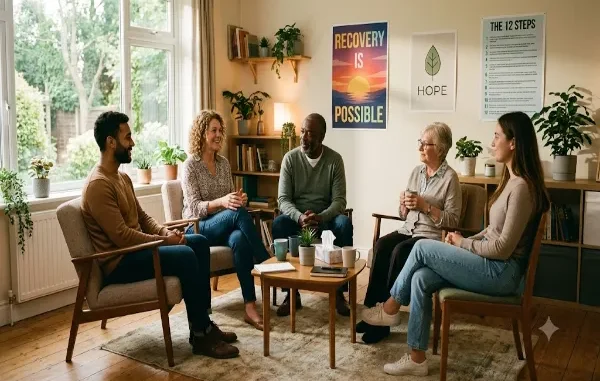
Addiction treatment gives people tools. A support system gives them somewhere to use those tools in real life. The two are not interchangeable, and having one without the other leaves a significant gap. People who complete treatment with a strong, intentional support network around them are more likely to sustain their recovery over time — not because they are more motivated or more deserving, but because recovery is genuinely harder to maintain in isolation. Understanding what a good support system looks like, and how to build one, is worth spending serious time on.
Why Connection Is Central to Recovery
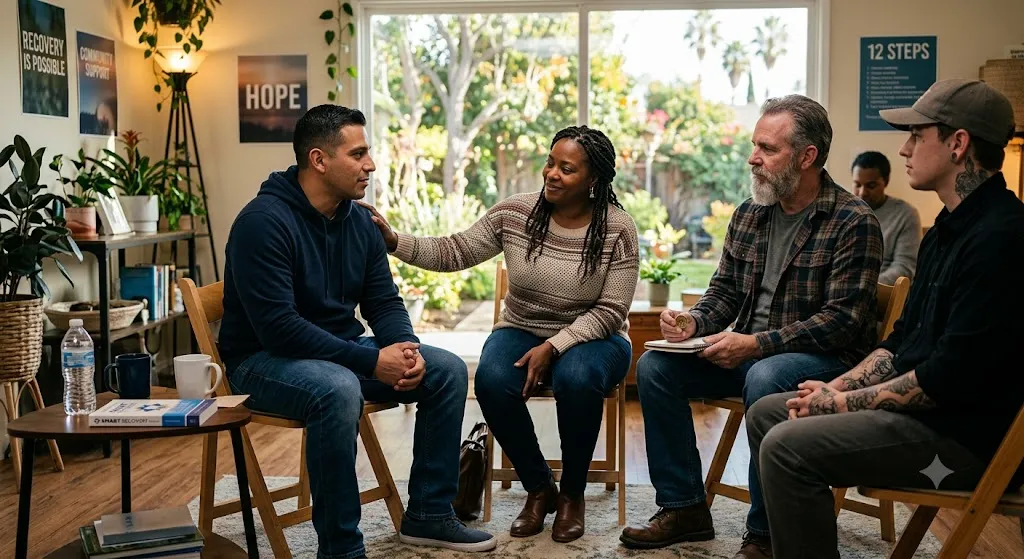
One of the most consistent findings in addiction research is that social connection is a protective factor — it reduces the risk of relapse and improves overall wellbeing in recovery. Isolation, by contrast, is one of the strongest predictors of relapse. This is not surprising when you consider that substances often fill a role in people’s social lives: they are present at gatherings, woven into friendships, and sometimes the primary way someone has learned to connect with others. Early recovery strips away those structures without automatically replacing them, which is part of why the period immediately after treatment is particularly vulnerable.
For people in Southern California, the proximity to quality care makes building that foundation more accessible than in many other regions. Beginning with strong clinical support — through drug rehab in Lake Forest or another reputable program — and then deliberately constructing a recovery support network around that foundation is one of the most effective strategies available. Treatment provides the start; the people and structures you build around it carry you further.
The Different Layers of a Support System
A strong support system is not just one thing. It is made up of several layers, each serving a different function. Thinking about them separately can help identify where gaps exist and where to focus energy.
Clinical and Professional Support
This layer includes the therapists, counselors, psychiatrists, and case managers who provide ongoing professional care. Even after a formal treatment program ends, continuing with individual therapy — whether weekly or biweekly — maintains a consistent space to process challenges, track progress, and address warning signs before they escalate. For people on medication-assisted treatment, regular check-ins with a prescribing clinician are also part of this layer. Clinical support is not something to phase out as soon as possible; it is something to taper thoughtfully over time as stability increases.
Peer Support and Recovery Communities
Peer support — connection with others who have lived experience of addiction and recovery — is among the most powerful elements of a long-term support system. Twelve-step programs like Alcoholics Anonymous and Narcotics Anonymous are the most widely available options, with meetings in virtually every community and a structured framework for ongoing engagement. Non-12-step alternatives, including SMART Recovery and Refuge Recovery, appeal to people who prefer a different philosophical approach.
What makes peer support effective is the combination of shared understanding and accountability. People who have been through recovery themselves can offer a kind of credibility and empathy that is different from what a clinician provides — not better or worse, but complementary. The practical wisdom, the modeling of what sustained recovery looks like, and the simple fact of having people to call at difficult moments all contribute to resilience.
Family and Close Relationships
Family relationships are complicated by addiction in ways that do not resolve automatically when someone gets sober. Trust takes time to rebuild. Old patterns of communication can reassert themselves. And some family members may be struggling with their own unresolved responses to what they experienced during the period of active addiction. This is why family involvement in treatment — and often in ongoing therapy — is important. Relationships that are actively worked on tend to become genuine sources of support. Those that are left unaddressed can become sources of stress that threaten recovery.
Not everyone has family relationships they can draw on in recovery. For those who do not, or whose family environment is actively harmful to their sobriety, building chosen family through peer support communities, faith communities, or other social networks becomes especially important.
Sober Social Connections
One of the practical challenges of early recovery is that many previous friendships revolved around substance use. Maintaining those relationships often means putting oneself in environments where substances are present and where social pressure to use can be intense. This does not mean every old friendship must be ended, but it does mean being honest about which relationships support recovery and which ones make it harder.
Building new sober friendships — through recovery programs, volunteer work, hobby groups, fitness communities, or other interests — fills the social calendar with connections that do not carry the same risks. This takes effort, especially for people who are introverted or who have let their social lives narrow during active addiction. But it is one of the most important investments someone in early recovery can make.
The Role of Routine and Structure
Support systems work best when they are embedded in a stable daily routine. Unstructured time — particularly in early recovery — creates space for cravings to take hold and for old habits to reassert themselves. A predictable schedule that includes work or meaningful activity, regular meals, sleep at consistent times, physical exercise, and recovery-related commitments (therapy appointments, meetings, check-ins with a sponsor) reduces the number of vulnerable windows in any given day.
According to SAMHSA, recovery is supported by four major dimensions: health, home, purpose, and community. Each of these maps onto a piece of the support system. Health encompasses ongoing clinical care and physical wellbeing. Home means a stable, safe living environment. Purpose includes meaningful work, education, or service. Community is the network of relationships that provides belonging and accountability. A support system that addresses all four dimensions is considerably stronger than one that addresses only one or two.
Sober Living Environments
For people who do not have a stable, substance-free home to return to after treatment, sober living homes offer an important bridge. These are shared residences where all residents are committed to sobriety, typically with house rules that include curfews, chore responsibilities, and regular attendance at support group meetings. They provide structure, community, and accountability during the transition from the highly supported environment of residential treatment to fully independent living.
Research consistently shows that people who transition from residential treatment to sober living before returning to independent living have better outcomes than those who move directly home. The gradual reduction in support — rather than an abrupt transition — gives people time to develop the skills and habits that sustain recovery before removing the external scaffolding entirely.
Recognizing and Responding to Warning Signs
A strong support system is not just passive presence — it also means having people in your life who will notice when something is wrong and say something. Relapse rarely happens without warning signs: increasing isolation, skipping meetings or therapy appointments, reconnecting with people from active addiction, romanticizing past use, escalating stress without healthy coping, or significant changes in sleep and appetite. These signs are more visible to others than to the person experiencing them.
Being explicit with the people in your support network about what to watch for — and giving them permission to bring it up — is a practical step that many people skip. It can feel vulnerable to ask someone to hold you accountable. But that kind of vulnerability is exactly what transforms an acquaintance into a genuine support.
Building a Life That Lasts
Recovery is not just about stopping substance use. It is about building a life that does not require substances to be livable. That life is made up of relationships, routines, purpose, and community — none of which appear automatically once treatment ends. They are built, deliberately and over time, by people who understand that sustained recovery is an active process rather than a destination.
The work of building that support system starts in treatment, where good programs connect people to aftercare resources, help repair key relationships, and begin laying the groundwork for what comes next. But it continues long after discharge — through each meeting attended, each honest conversation had, each new friendship made in recovery. These are not small things. They are the architecture of a life worth staying sober for.





Leave a Reply