
A dog can have plenty of food, a comfortable place to sleep, and loving owners, yet still spend too much of the day sitting indoors. Work schedules, long commutes, family responsibilities, and poor weather can make regular exercise difficult to maintain. Over time, a lack of activity can affect more than a dog’s energy level. Movement, exploration, and routine all play a role in everyday wellbeing.
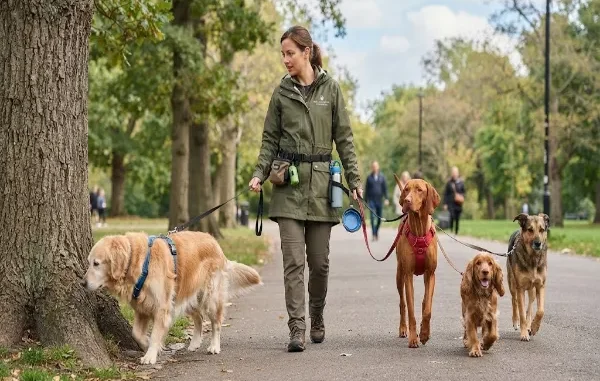
A professional dog walker can help bridge that gap. A good walker does not simply take a dog outside and cover a certain distance. They adjust the pace, route, and activity to suit the individual animal, while paying attention to behavior and physical comfort along the way.
Regular Movement Supports Physical Health
Walking is one of the simplest ways for dogs to stay physically active. Regular movement can help maintain mobility, support healthy body condition, and provide an outlet for everyday energy.
The appropriate amount of exercise varies considerably. A young, active dog may enjoy a longer outing, while an older dog may benefit from shorter walks with more frequent pauses. Breed characteristics can influence activity preferences, but they should not be treated as a fixed prescription. Two dogs of the same breed can have very different fitness levels and personalities.
A professional walker can observe how a dog responds to activity and keep the pace appropriate rather than if every pet needs the same routine.
Walking Provides Mental Stimulation
Physical exercise is only part of what makes a walk valuable.
Dogs gather information through their noses, ears, and eyes. A familiar street can still offer plenty of interesting smells and sounds. Allowing a dog to stop and investigate appropriate surroundings gives the walk a mental component that a purely physical workout may not provide.
This is one reason a slow, exploratory outing can sometimes be more satisfying than a fast walk. The goal is not always to cover as much ground as possible.
Experienced walkers understand that sniffing, pausing, and observing the environment are normal parts of canine behavior. They can allow appropriate exploration while still maintaining control and safety.
Activity Can Help Manage Excess Energy
Dogs that spend most of the day indoors may have difficulty settling when they have not had enough appropriate activity.
A dog with pent-up energy may pace around the home, demand attention, bark excessively, or become interested in things it normally ignores. Exercise is not a universal solution for behavioral problems, but providing a suitable daily outlet can help prevent boredom from becoming a regular part of the dog’s routine.
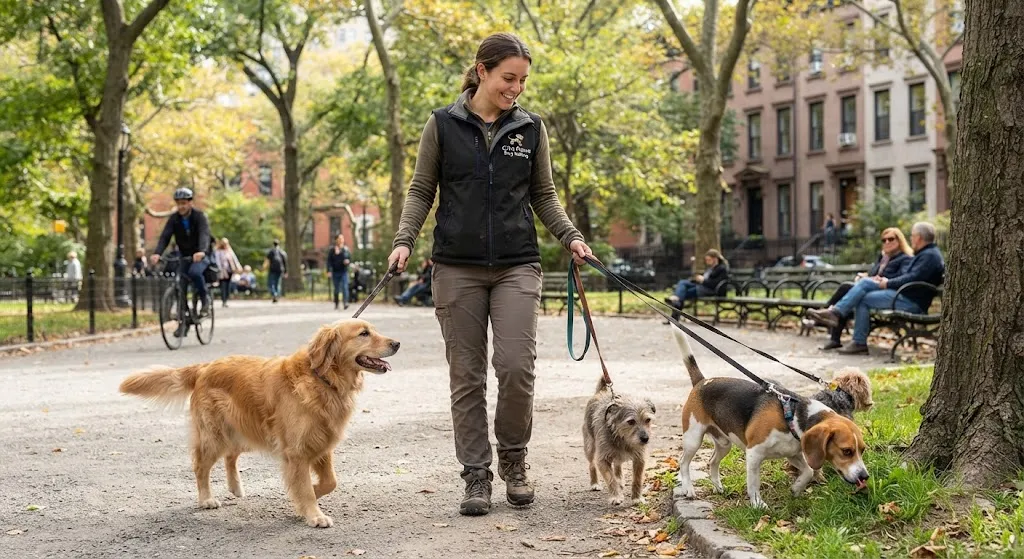
For dogs living in apartments or other homes with limited space, outdoor activity can be particularly valuable. Owners who arrange NYC dog walking, for example, may give their pets an opportunity to move through different environments rather than relying entirely on indoor play.
Professional Walkers Can Adjust Activity for Age
Age has a major influence on how a dog should be exercised.
Puppies are still developing physically and may need shorter, age-appropriate outings combined with plenty of rest. They also benefit from learning how to experience the outside world calmly.
Adult dogs often have greater capacity for sustained activity, although their needs still vary by health and temperament.
Senior dogs may need a slower pace and shorter routes. Gentle movement can still be useful, but pushing an older dog to maintain the same routine it had years earlier may not be appropriate.
A responsible walker should understand these differences and communicate with the owner when something seems unusual. Sudden changes in stamina, mobility, or willingness to walk should not simply be dismissed as normal aging. Veterinary advice may be appropriate when a noticeable change persists.
Safe Exercise Matters in Hot or Cold Weather
Weather can change what constitutes a sensible walk.
Hot pavement and high temperatures can create risks for dogs, particularly during the warmest parts of the day. Dogs can also become overheated during strenuous activity, and individual tolerance varies with factors such as age, coat, body condition, and health.
Cold weather presents its own challenges. Some dogs tolerate low temperatures well, while others may become uncomfortable quickly. Ice, slippery surfaces, and road salt can also affect the walking experience.
A professional should be willing to modify the route, duration, timing, or type of activity when conditions are unsuitable. There are days when a shorter outdoor break followed by indoor enrichment is more sensible than trying to complete a normal walk.
Social Interaction Should Be Individualized
Some dogs enjoy walking alongside other animals. Others become anxious, reactive, or overstimulated when unfamiliar dogs are nearby.
A professional walker should recognize that social interaction is not automatically beneficial for every pet. Group walks need appropriate supervision, manageable group sizes, and attention to the temperament of each animal.
For a nervous dog, a private outing may provide a calmer experience. For a confident and social dog, a carefully managed group can offer companionship and variety.
The important factor is the dog’s response. A dog that repeatedly tries to escape interaction, freezes, growls, or shows other signs of distress may need more space rather than more social exposure.
Consistent Walks Can Support Healthy Habits
Dogs tend to benefit from routines that owners can maintain consistently.
A professional walker can provide a scheduled outing during working hours, helping prevent a pattern where exercise is skipped whenever the owner’s day becomes hectic. This can be particularly helpful for people who spend long hours away from home or have unpredictable schedules.
Consistency also makes it easier to notice changes. If someone regularly walks the same dog, they may recognize that the pet is moving differently, tiring sooner, or behaving unusually on a familiar route.
That information can be useful to the owner. It does not replace veterinary evaluation, but early observation can help an owner decide when something deserves closer attention.
Good Walkers Pay Attention to More Than Distance
A quality walk is not measured solely by miles or minutes.
A professional should consider the dog’s body language, surroundings, energy level, and comfort throughout the outing. They should know when a dog needs a break, when a route is becoming too crowded, or when environmental conditions call for a change of plan.
This is especially important for dogs with needs. A dog recovering from an injury, dealing with a health condition, or adjusting to a new environment may require specific restrictions or instructions from its veterinarian.
Owners should share those details clearly and expect the walker to follow them.
Choosing Someone Who Understands Your Dog
The benefits of professional walking depend on the person providing the care.
Before hiring someone, ask about their experience with dogs like yours. Discuss group walks, emergency procedures, equipment, scheduling, and how they handle dogs that pull, become frightened, or react to other animals.
A meet-and-greet can reveal a great deal. Watch whether the person gives your dog time to approach them and whether they pay attention to its behavior. Patient interaction is often more meaningful than a polished introduction.
Your dog may need several outings to become comfortable with a new person, but persistent fear or unusual behavior deserves attention.
Keeping Exercise Part of a Bigger Routine
Professional walking works best as one part of a dog’s overall care.
Dogs also need rest, nutritious food, affection, play, training, and time with their owners. Walking can provide physical activity and mental stimulation during periods when the household is busy, but it should complement rather than replace the relationship between the pet and its family.
The most effective routine is one that respects the dog’s individual needs. A thoughtful walker helps maintain that routine by providing safe movement, appropriate exploration, and attentive care, giving the dog a healthier and more active day even when the owner’s schedule is full.
Related posts:
 Longhornsurvey com The Online Survey Platform
 Decoding The Real Slim Shady Lyrics
 Embracing the Paradox: The Power of Being Consistently Inconsistent
 The Ultimate Guide to Creating a Cozy and Functional Living Space with Home Goods
 Why Siding Plays a Key Role in Reducing Exterior Maintenance Throughout the Year
Leave a Reply