
Inventory Business Development
From Manual Labor to Automation
Considering that everything is based closely on human muscle and handwritten logs, the storage has come a long way. Imagine a warehouse a few years ago: workers lifting heavy objects by hand, forklifts operating with minimal controls, and checking inventory on paper. It worked hard, but it wasn’t exactly untested or scalable. As the international alternative improved and customer expectations shifted towards faster delivery, these traditional techniques began to show their limitations.
Today’s inventories look pretty accurate. Automation has stepped in to fill gaps where human effort quickly struggled. Specific, intelligent updates and responses have revolutionized how products are moved, stacked, and stored in hubs. Advanced equipment and robotics tackle the responsibility with precision and consistency, unlike modern structures that rely completely on manual lifts This trade is not so much a preference as a convenience; survival is often involved in an aggressive logistics environment.
What makes this shift fascinating is how seamlessly technology fits into everyday life. Workers are no longer stressed with repetitive heavy lifting responsibilities, which no longer handles improves performance and reduces fatigue and injury risk while warehouse managers benefit from better control of operations through fact-driven insights. It’s like upgrading a bike for speed learning. The space is the same, but the speed is faster, safer and much more reliable.
Businesses looking to boost efficiency and safety standards can learn more about innovative lifting systems designed for modern warehouses.
The growing demand for efficiency in logistics
An untreated accident in the handling or moving of goods can ripple throughout the supply chain, confusing customers and causing revenue to be out of whack.
Smart elevator responses have an important place in connecting those expectations. That’s not science fiction; it’s getting better now. This level of performance allows companies to handle substantial volume without compromising accuracy.
Another factor riding on this demand is the increasing complexity of the organization. Warehouses face a huge variety of business components these days, each requiring different management methods. Smart hoist systems can seamlessly adapt to these variations, ensuring that fragile objects behave sensitively even when maneuvering heavier objects with energy stability.
What is a smart lift solution?
Definition and basic techniques
Smart lifting solutions seek advice on advanced structures and equipment designed to automate and optimize the system by lifting, moving, and handling goods within the warehouse. These solutions mechanical engineering with virtual technical sensors, synthetic intelligence, IoT connectivity and integrate green and span systems in particular
Software infrastructure now analyzes data in real time, enabling dynamic changes based primarily on changing conditions within the warehouse.
One of the most feasible and best elements of smart elevator solutions is their ability to “research” and grow over the years. With gadget-learning algorithms, those structures can perceive styles, optimize paths, or even anticipate protection needs before breaking. This predictive capability reduces downtime and ensures operations without forest shutdowns, which is critical in high-call environments.
This technology also allows for seamless conversation in unusual parts of the warehouse.
Types of Smart Lifting Equipment
Robotic arms and smart hosts
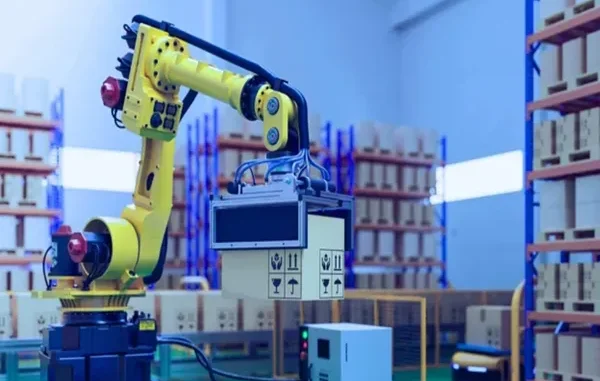
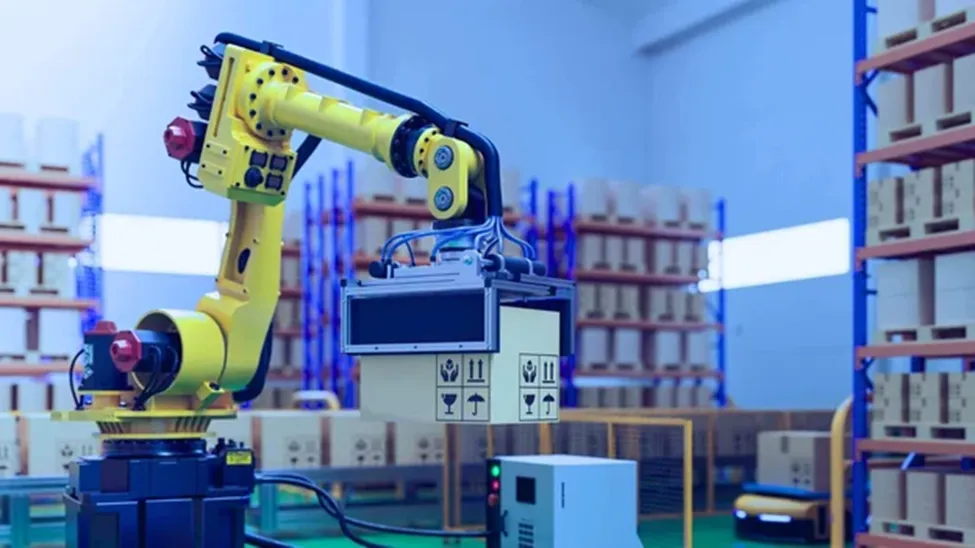
Robotic fingers and smart lifts elevate lifting accuracy to a new level. These structures are able to deal gently with delicate objects and additionally deal with heavy loads with amazing strength. Equipped with advanced sensors and AI-powered controls, the robotic hands can perform complex tasks that include sorting, stacking, and packing.
Alternatively, smart robots are designed to assist human subjects by reducing their physical strain when lifting heavy equipment. They use intelligent controls to vary lift speed and tension, ensuring safe and efficient operation. Together, these technologies create a balanced environment where humans and machines paint page by page, complementing the potential of each option.
Key Benefits of Smart Lifting Solutions
Improved productivity and speed
One of the most immediate benefits of a smart elevator solution is a remarkable increase in productivity. By automating repetitive tasks, warehouses can process orders just as quickly and more courteously. This improvement in performance directly enjoys better throughput and additional retention.
Consider a situation where a batch of orders must be processed in a short timeframe. Manual behavior is now not the easiest or slowest but also susceptible to errors. However, smart lifting structures can complete multiple tasks simultaneously, ensuring that each order is processed quickly and efficiently. This parallel processing feature is an entertainment changer in high-volume environments.
Another factor that contributes to expanded productivity is the discounting of idle time. Smartphones are designed to work continuously, with minimal interruptions. Smartphones can quickly adapt to on-call adjustments, ensuring efficient utilization of assets at all times. It is like having a workforce that is in no way stale or distracted, and that always leads to an overall performance at the top.
Increased workplace safety
Security is a significant issue in any warehouse environment, and smart lifts and responses directly address this challenge. Traditional lifting strategies often expose humans to risks, such as errors and accidents. By automating those operations, warehouses can exponentially reduce the likelihood of finding operational incidents.
Smart cars are built with advanced safety features, such as collision detection, weight monitoring, and emergency prevention. These capabilities ensure that operations are completed efficiently even in high-stress situations. Workers can focus on inspection and tactical tasks rather than performing physically disruptive tasks, developing a safe and extra neat painting environment.
Smart Storage Cost Effectiveness and ROI
Reducing Labor Costs
Labor is one of the largest costs in any of the warehouse operations. By implementing smart elevator responses, companies can reduce their reliance on manual labor, resulting in expensive fees and financial savings. While the initial funding may seem exorbitant, the benefits far outweigh the costs in the long run.
Automation allows warehouses to operate with fewer humans while maintaining better productivity. This does not always reduce interest; Alternatively, it shifts the focus closer to more effective roles that include structural leadership and innovation. give up end results employees have an additional green team which adds extra charges to the employer.
Reducing Operational Downtime
Downtime can be remarkably expensive for warehouses, especially during peak seasons. Smart elevator systems are designed to minimize disruption by anticipating and stopping potential problems.
Integration with Warehouse Management Systems (WMS)
Real-Time Data and Analytics
Smart elevator responses end up being more effective when included in inventory management systems. This integration enables real-time product tracking, providing valuable insights into inventory, movement patterns, and operational efficiency .
Seamless Automation and Workflow Optimization
Warehouses can reap seamless automation when lifting structures and WMS drawings in bulk. Tasks are mechanically coordinated, reducing delays and improving basic workflows.
Challenges in Adopting Smart Lifting Solutions
Initial investment interest
Despite their blessings, smart lift solutions require a huge premature investment. For smaller companies, this can be a barrier.
Training and adaptation of workforce
Adopting new technologies also requires successfully training staff in imaging on those systems.
Future Trends in Smart Storage Elevators
AI and Machine Learning Integration
The destiny of smartphones lies in AI-powered designs that are constantly being researched and made stronger.
Conclusions
Modern warehouses are evolving rapidly, and intelligent elevator responses are at the heart of this transformation. These technologies are transforming product handling and identification by increasing efficiency, safety, and cost-effectiveness.
If you are trying to optimize your warehouse operations by discovering better lifting technology, you can test new solutions that will likely shape the destiny of logistics.





Leave a Reply