
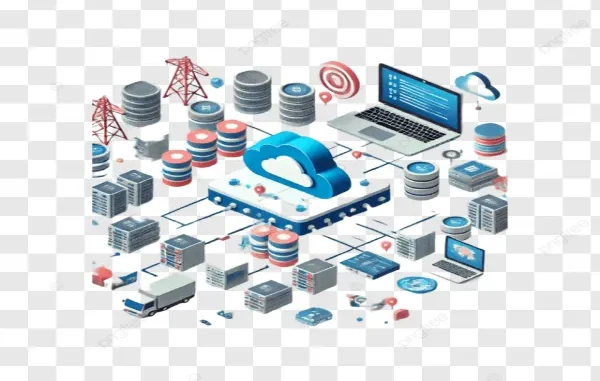
Digital tools increasingly rely on applications that consume and generate vast amounts of data. Video conferencing, real-time analytics, cloud-based collaboration, artificial intelligence, and immersive media all depend on continuous data exchange. As these technologies evolve, network performance becomes a deciding factor in whether applications feel seamless or frustrating. Modern networks are designed to support this demand by prioritizing speed, stability, and scalability.

Bandwidth and Speed as Core Foundations
Data-intensive applications require high bandwidth to move large files and continuous data streams without interruption. Modern network infrastructure delivers significantly higher speeds than legacy systems, allowing applications to process information in real time. This capability is essential for activities such as cloud computing, large-scale data analysis, and high-resolution media delivery. Faster connections also reduce delays when synchronizing data across multiple platforms and devices.
Low Latency and Real-Time Performance
Latency directly affects how responsive an application feels to the user. Modern networks are engineered to minimize delays between data requests and responses. This is especially important for real-time environments such as virtual collaboration, interactive platforms, and remote work tools. Low latency ensures that actions register quickly, improving accuracy and user experience in time-sensitive scenarios.
Cloud Computing and Distributed Systems
Many data-intensive applications operate on cloud-based infrastructure rather than local hardware. Modern networks make this possible by providing reliable, always-on access to remote servers where data can be stored and processed efficiently. In regions supported by high-performance connectivity, such as Minneapolis fiber optic internet, users can take full advantage of cloud platforms without facing performance constraints, even when handling large datasets or complex workloads.
Scalability for Expanding Data Needs
As applications grow, data volumes increase rapidly. Modern networks are built with scalability in mind, allowing them to handle higher traffic without degrading performance. This flexibility enables organizations to expand their digital services, support more users, and deploy advanced technologies without major infrastructure changes. Scalable connectivity is particularly important for fields like artificial intelligence and big data analytics, where processing demands continue to rise.
Reliability and Data Integrity
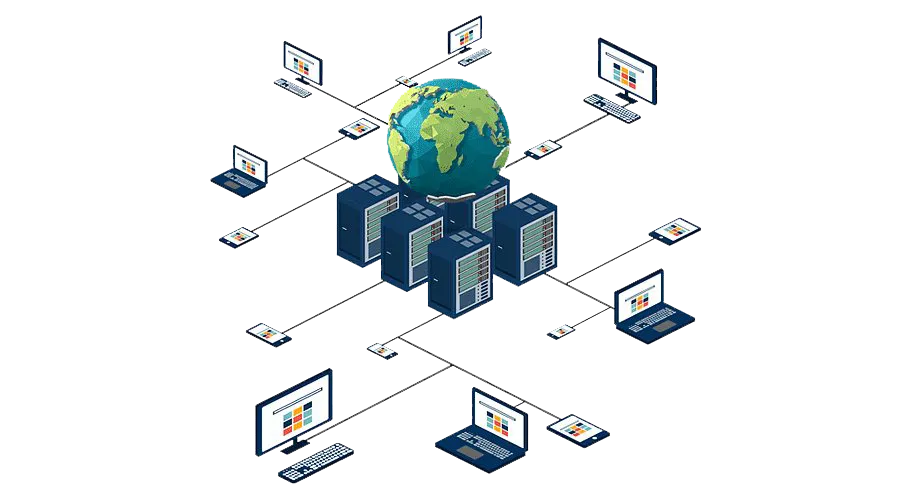
Consistent performance is critical for applications that depend on continuous data flow. Modern networks incorporate redundancy, monitoring, and intelligent traffic management to reduce downtime and maintain stability. Reliable connectivity helps protect data integrity and ensures that essential processes such as backups, synchronization, and real-time collaboration remain uninterrupted. This dependability supports compliance requirements, enhances user trust, minimizes error propagation, and enables organizations to scale operations confidently across distributed environments and evolving technological demands.
Enabling the Next Generation of Applications
Modern networks provide the foundation for future innovation. Emerging technologies such as immersive digital environments, advanced automation, and intelligent systems depend on fast and reliable data transfer. As network infrastructure continues to evolve, it will enable increasingly sophisticated applications that rely on large-scale data processing.
Strong network connectivity is no longer optional for data-driven technology. By supporting speed, low latency, scalability, and reliability, modern networks make today’s most demanding applications possible and pave the way for future digital progress across industries, platforms, and evolving technological ecosystems worldwide.
Related posts:
 AI Photo Generators Elevate Your Editing Without Quality Loss
 Avatar vs. Human: Who’s Better at Explaining Your Product in 30 Seconds?
 Can Treasury Management Software Make Borrowing Safer and Smarter?
 Water Damage Restoration Service Lanham: Fast & Efficient
 Voyage Through Time: When will Time Travel be Possible
Leave a Reply