
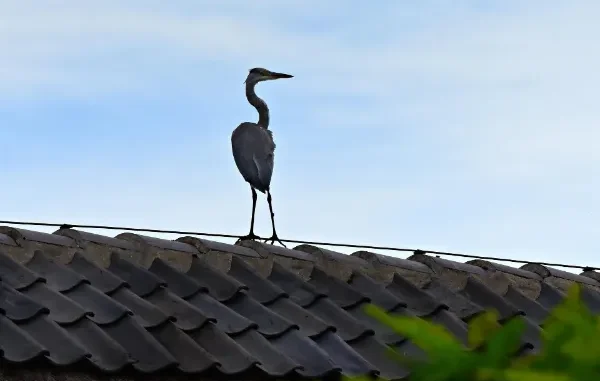
Most homeowners think of storm exposure, age, and drainage problems when they worry about roof damage. Animal activity is easier to overlook because it often starts small. A few scratching sounds, scattered debris near the gutters, or a bit of movement near the roofline may not seem urgent at first. In reality, animals can create openings, shift materials, and expose vulnerable areas long before the damage becomes obvious. That is one reason homeowners looking into roof repair provo often discover that the problem involves more than weather alone.
What makes animal related damage frustrating is how hidden it can be. Birds, squirrels, raccoons, and insects do not need a large opening to cause trouble. They take advantage of weak edges, loose flashing, small gaps near vents, and worn soffits. Once they get access, the damage can spread from the outer surface into insulation, decking, fascia boards, and attic spaces.
Why Animals Target Exterior Surfaces
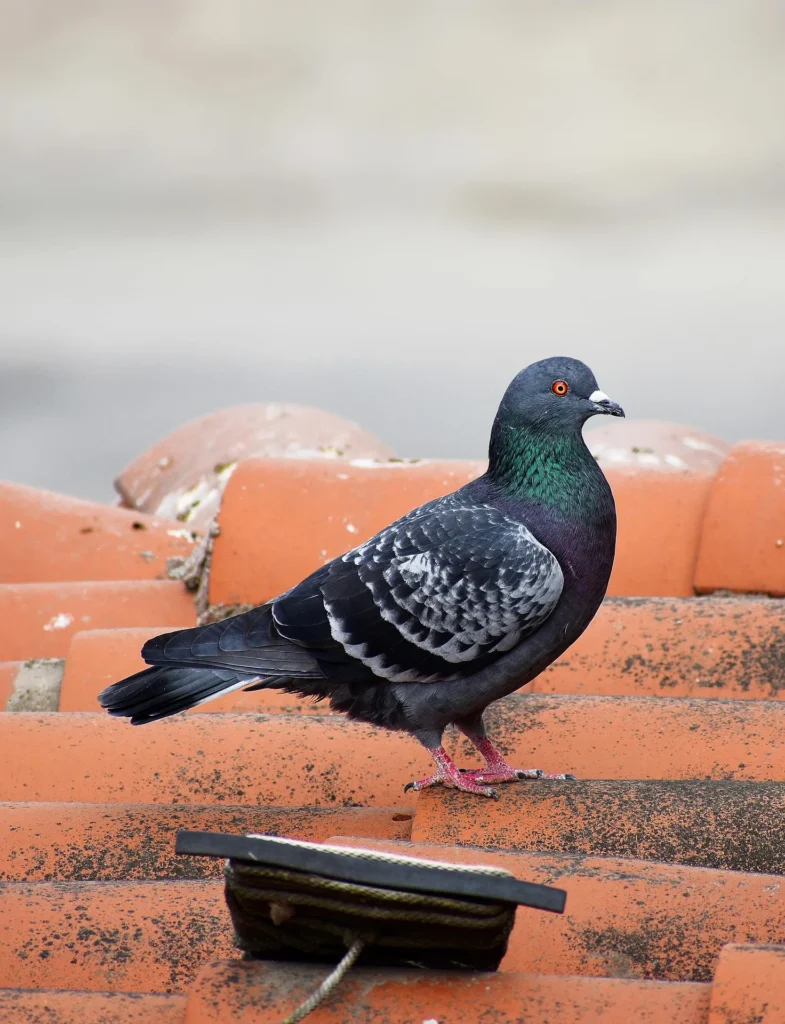
Animals are usually searching for shelter, warmth, nesting space, or a reliable place to hide from predators. Roof edges, attic vents, chimneys, and soffit openings give them exactly that. A home with minor wear already present is even more attractive because the entry points are easier to enlarge.
Squirrels and raccoons are especially destructive because they claw, bite, and pull at materials to widen access. Birds may peck at openings or build nests in vents and gutters. Smaller pests can use damaged trim, exposed seams, or deteriorated sealant as entry points. What starts as a vulnerable spot on the exterior can quickly become a route into hidden structural areas.
The First Signs Are Usually Easy To Miss
Animal related damage rarely announces itself in one dramatic moment. It tends to show up through clues that seem minor on their own. Homeowners might notice loose debris under the roofline, bent vent covers, disturbed insulation near an attic opening, or stains that do not appear to be from a storm. Scratching noises at night or early in the morning are another common warning sign.
The challenge is that these symptoms often overlap with ordinary wear and tear. A loosened shingle might be blamed on the wind. A small gap near flashing might be dismissed as age. A blocked gutter may look like a simple cleaning issue. Sometimes those assumptions are wrong. Animals often exploit existing weaknesses, then worsen them through repeated movement and nesting.
How Exterior Materials Get Damaged
The outer surface of a roof depends on layers working together. Shingles or panels protect the surface. Flashing seals transitions. Soffits and fascia help protect edges and support ventilation. Gutters move water away. Animals can interfere with each of these parts.
Squirrels may chew wood trim and fascia boards. Raccoons can pry up shingles or pull at weak roof edges with surprising force. Birds may dislodge granules, clog drainage paths with nesting material, or damage vent covers. Even repeated foot traffic from animals can loosen materials over time, especially around vulnerable seams and penetrations.
Once those exterior materials are disturbed, water is more likely to enter the system. That is where a small wildlife problem can turn into rot, staining, mold, and damage to insulation.
Hidden Components Often Suffer The Most
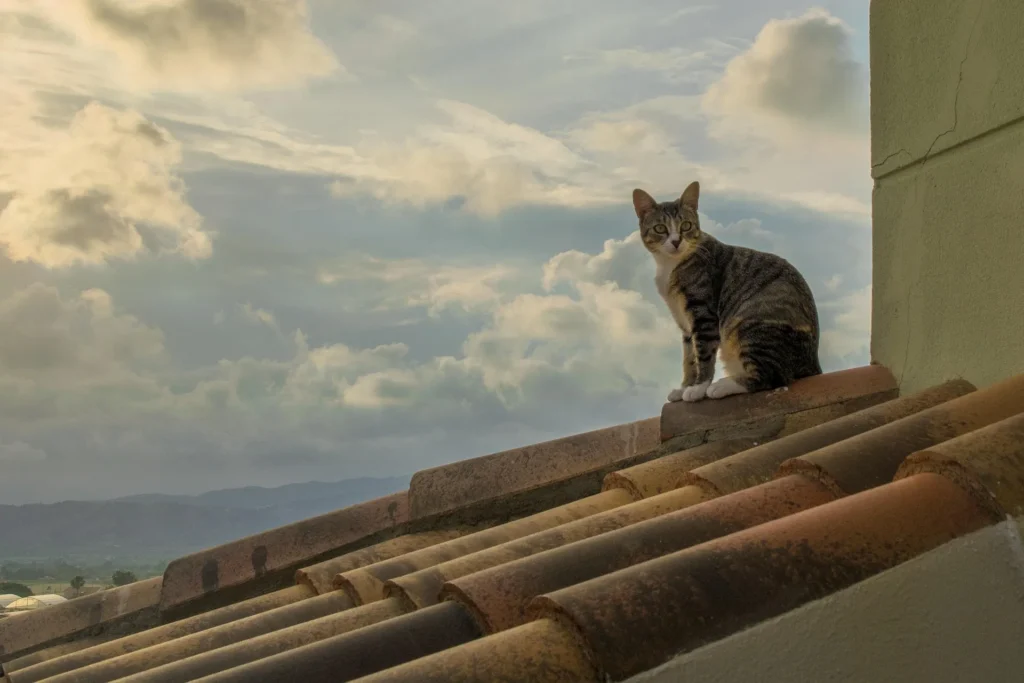
The visible surface is only part of the concern. Animal entry often affects the concealed parts of the roof system more severely than the exterior itself. If water begins entering through a gap created by chewing, clawing, or lifted material, it can soak the decking beneath the surface. Insulation can become compressed, torn, or contaminated. Wood framing can absorb moisture and begin to weaken over time.
Nesting materials also create problems of their own. Dry debris packed into vents or cavities can block airflow and trap humidity where it should not collect. Poor ventilation raises the risk of condensation and can shorten the life of surrounding materials. In some cases, animals also damage wiring or leave waste in attic spaces, creating sanitation and safety concerns well beyond the roof surface.
Why Damage Often Spreads Before It Is Found
One reason homeowners underestimate this kind of problem is that the first opening may be small, but the consequences rarely stay limited to that area. Water travels. Moisture that enters near an edge or vent can move along the decking and framing before it appears indoors. By the time a stain shows up on a ceiling, the original access point may have been active for some time.
Animal activity also tends to repeat. If one entry point remains open, animals often return to the same location or nearby areas. That repeated use puts more strain on already damaged materials. It also makes patchwork less reliable if the underlying weakness has not been fully addressed.
This is why some homeowners searching for roof repair provo services find that the visible problem is only one piece of the repair. The real issue may involve damaged trim, wet insulation, compromised decking, or blocked ventilation that has been worsening quietly.
What A Thorough Repair Should Include
A proper repair needs to do more than close the hole animals used. It should identify how they got in, what materials were damaged, and whether moisture has already affected hidden areas. That usually means inspecting the surface, roof edges, flashing, vent covers, attic conditions, and any visible signs of staining or contamination inside.
Damaged shingles, soffits, fascia boards, and vent components may need to be replaced. Wet or contaminated insulation may also need to be removed. If wood decking has softened or begun to rot, repairs should address that before surface materials are restored. In short, the repair should deal with both access and aftermath.
Preventing The Problem From Returning
Prevention depends on keeping the exterior in sound condition. Loose trim, open gaps, damaged vent screens, and neglected roof edges make a home easier for animals to exploit. Regular inspections help catch those weaknesses early. It also helps to keep gutters clear, trim back overhanging branches, and pay attention to unusual sounds or repeated animal activity near the roofline.
A roof does not have to be badly worn to become vulnerable. It only needs one weak spot in the wrong place. Catching that weakness early is often the difference between a simple repair and a much larger restoration project.




Leave a Reply