
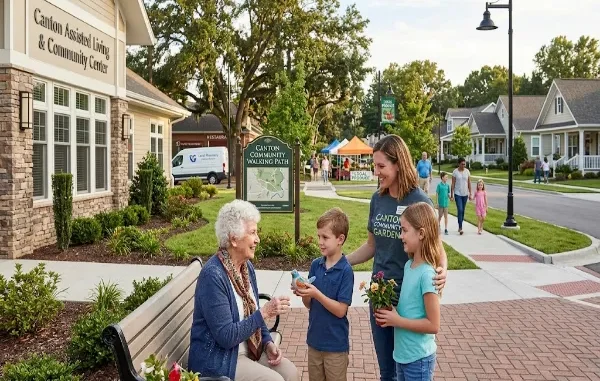
When a new assisted living community opens in a neighborhood, many residents wonder what changes it will bring. Rather than viewing such facilities as isolated institutions, researchers and urban planners increasingly recognize that well-designed assisted living communities often become catalysts for broader neighborhood improvement and revitalization. These residential centers serve not only their residents but also create meaningful ripple effects throughout surrounding areas. Understanding those effects helps communities make informed decisions about welcoming and integrating such facilities.
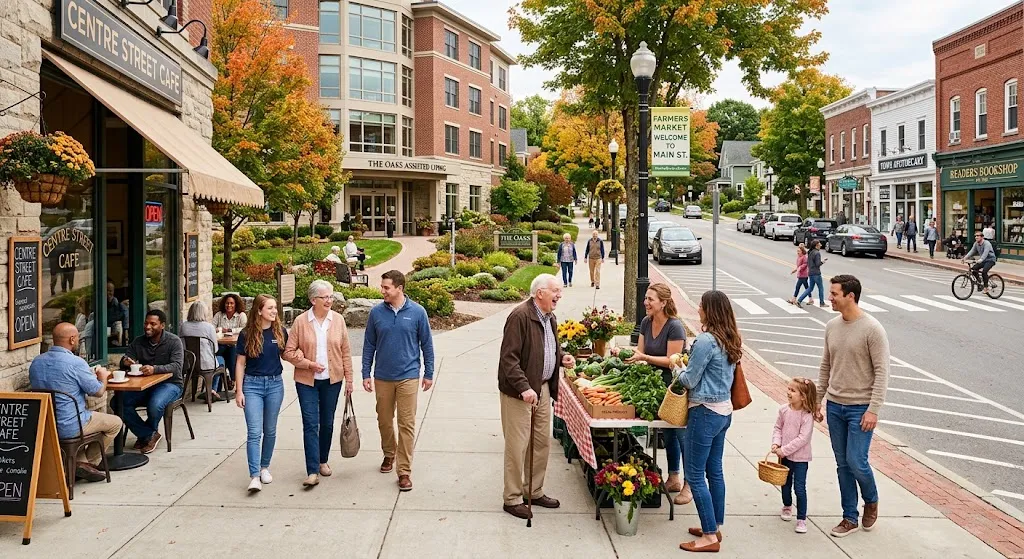
Strengthening Social Connection and Community Engagement
Assisted living communities typically encourage residents to participate in local activities and events. Residents often attend neighborhood festivals, farmers markets, and cultural gatherings, bringing energy and participation to community spaces. This increased foot traffic and social engagement can revitalize areas that may have experienced declining activity. Local businesses benefit from the consistent customer base that these residents provide. Additionally, many assisted living facilities organize volunteer opportunities where residents contribute their time and skills to neighborhood improvement projects. Residents might participate in community garden initiatives, literacy programs at local libraries, or charitable fundraising events that strengthen the social fabric of the area.
Economic Growth and Local Business Support
The presence of an assisted living community generates economic activity that benefits nearby merchants and service providers. Residents require regular services such as restaurants, pharmacies, medical offices, and retail establishments. This demand creates steady business for local entrepreneurs and can attract new commercial development to areas that previously lacked such economic activity. Property values in neighborhoods with quality assisted living facilities often stabilize or increase, reflecting the positive perception of these communities. Furthermore, the facilities themselves create employment opportunities for healthcare workers, administrative staff, and maintenance personnel. These jobs support local families and contribute to the overall economic health of the neighborhood.
Healthcare Infrastructure Development
Neighborhoods hosting assisted living communities often see improvements to healthcare infrastructure and services. Medical offices, specialty clinics, and preventive care facilities frequently locate near these communities to serve both residents and the broader neighborhood population. Families navigating care decisions for aging loved ones will find that assisted living in Canton, GA provides a meaningful example of how a well-integrated facility can elevate the wellness resources available to an entire community. Local hospitals and healthcare networks may expand their services in response to the growing demand. These developments benefit everyone in the area by providing convenient access to quality medical care.
Environmental and Physical Improvements
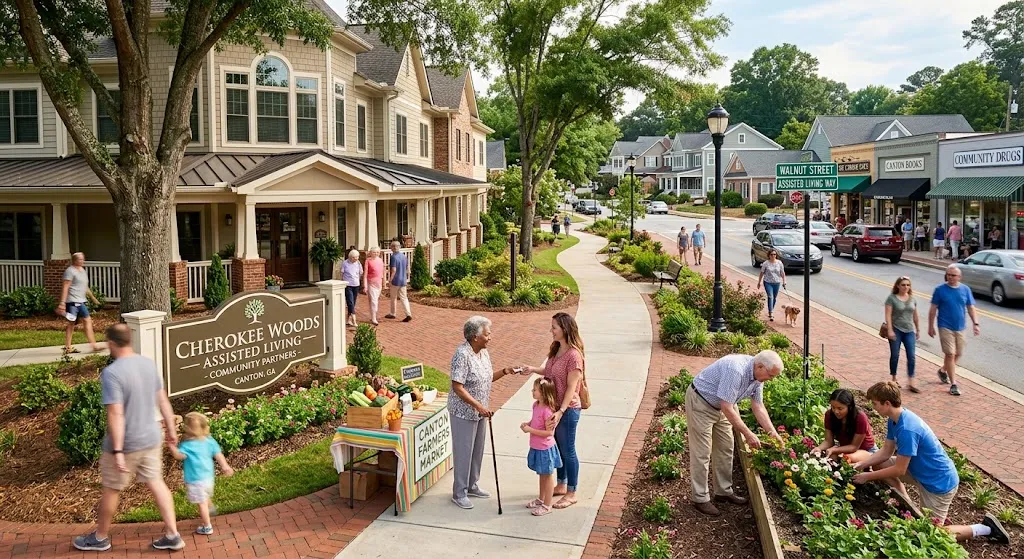
Many assisted living communities invest in landscaping, parking facilities, and pedestrian pathways that enhance neighborhood aesthetics. Well-maintained grounds and attractive outdoor spaces raise the visual appeal of the surrounding area. These improvements often inspire neighboring property owners to enhance their own properties, creating a positive cascade effect throughout the neighborhood. Walking paths and recreational spaces developed for residents become shared community assets that everyone can enjoy. Parking improvements and traffic management systems installed for the facility often benefit the broader neighborhood as well. These physical enhancements create an environment where people feel safer and more connected to their surroundings.
Knowledge Transfer and Mentorship Opportunities
Assisted living communities house residents with decades of professional experience and life expertise. Local schools, nonprofits, and businesses can establish partnerships that facilitate intergenerational learning and mentorship. Young entrepreneurs might benefit from guidance provided by retired business leaders living in the community. Students can gain valuable perspective from residents who have worked in fields aligned with their career interests. These knowledge exchange programs enrich the educational experience for young people while providing purpose and engagement for older residents. Such collaborations transform what could be perceived as age segregation into genuine community integration that strengthens everyone involved.
Creating Purpose and Volunteer Networks
Residents of assisted living communities often want to remain active contributors to society rather than becoming passive recipients of services. Many facilities support volunteer initiatives that mobilize resident talents for neighborhood benefit. Retired teachers might tutor struggling students, former accountants could mentor small business owners, and skilled craftspeople might lead community workshops. This volunteer capacity represents an enormous resource for neighborhoods facing funding constraints on social services. Local nonprofits gain experienced volunteers without recruiting costs, while residents gain meaningful purpose and social connection. The result is a strengthened neighborhood that better addresses its own challenges through internal resources and expertise.
Conclusion
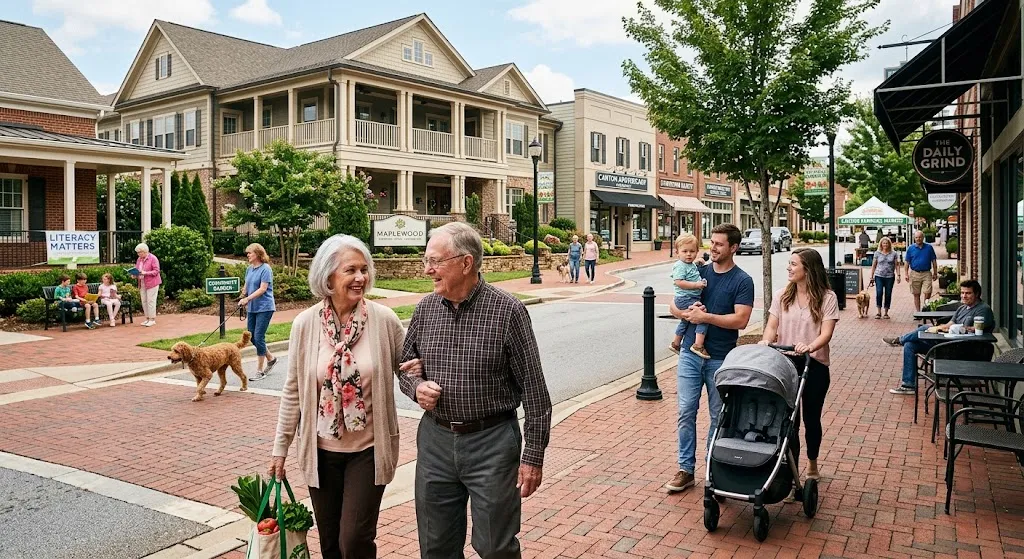
An assisted living community’s impact on a neighborhood extends far beyond the facility’s walls. Through economic contributions, improved services, physical enhancements, and the engagement of experienced residents, these communities catalyze positive change throughout the surrounding area. Neighborhoods that welcome and integrate assisted living facilities often discover they have gained not just a new building but a source of ongoing vitality and community strengthening. When developed with genuine community partnership in mind, assisted living communities become anchors for neighborhood prosperity and social connection. This mutually beneficial relationship demonstrates that serving older adults and enhancing neighborhood quality of life can be one and the same goal.




Leave a Reply