

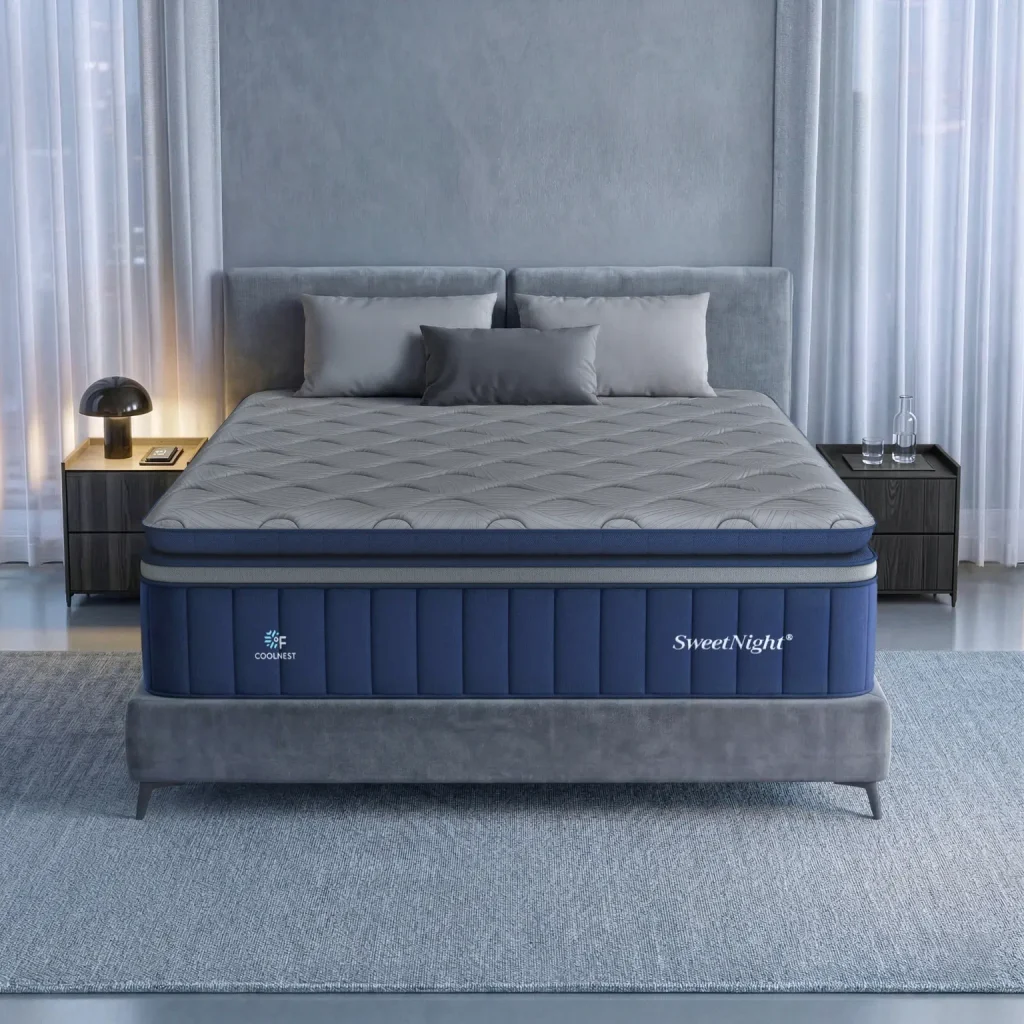
A bed can feel pleasantly cool when you first climb in, yet become uncomfortably warm before sunrise. You may have chosen breathable sheets, lowered the thermostat, and even invested in a mattress designed with temperature comfort in mind. Still, sometime during the night, the blankets begin to feel heavy, and the cool sensation you noticed at bedtime seems to disappear.
One overlooked factor is how much bedding surrounds the body for several hours. Heavy blankets can trap warmth, limit the movement of air around the sleeper, and make it harder for excess body heat to escape. On an adjustable bed, the angle of the sleeping surface can also change how blankets settle across the body. Understanding these interactions can help you make better use of your existing bedding and mattress without automatically assuming that something needs replacing.
People comparing adjustable beds should consider how their usual bedding behaves when the base moves. A blanket that works well on a flat bed may not stay in the same position when the head or foot sections are elevated. Before buying new bedding, test the bed at the angles you actually use and observe where the fabric gathers or slips.
The Difference Between a Cool Bed and a Cool Sleeping Environment
The first few minutes in bed can give a misleading impression of how comfortable the night will be. Sheets may feel cool against the skin, particularly when the bedroom is cooler than the body. However, that initial sensation does not necessarily predict how the bed will feel after several hours beneath a thick comforter or layered blankets.
Once you settle into one position, your body continues to release heat. Blankets help keep you warm by slowing heat loss, which is useful in cold conditions. The same insulating effect can become uncomfortable when the room is already warm or when the sleeper naturally prefers less coverage. If the layers above the body retain more warmth than is comfortable, the sleeping environment can feel increasingly stuffy even though the thermostat remains unchanged.
This is why temperature comfort should be considered as a complete system rather than a single mattress feature. Room conditions, bedding weight, fabric construction, sleepwear, and personal temperature preferences all influence the result. A mattress that feels comfortable with a light sheet may feel noticeably different under several insulating layers.
Why Heavy Blankets Can Change the Bed by Morning
A thick blanket does not create body heat, but it can slow the movement of that heat away from the sleeper. The effect depends on the blanket’s material, thickness, weave, and how much of the body it covers. Several layers can increase insulation, especially when they overlap or become tucked tightly around the sides of the mattress.
The timing of the discomfort offers a useful clue. If the bed feels comfortable at first but becomes too warm later, consider whether the bedding is retaining more warmth than you need. You might notice that your feet move outside the covers, that you push the comforter away, or that you repeatedly turn your pillow to find a cooler surface. These habits do not prove that the blanket is the cause, but they can help identify a pattern worth testing.
Try replacing the heaviest layer with a lighter blanket for a few nights while leaving the rest of the setup unchanged. If comfort improves consistently, you may not need a different mattress. If the warmth remains, consider other factors, including room humidity, mattress materials, sleepwear, and ventilation around the bed.
What Changes When the Bed Is Raised?
Adjustable bases introduce a practical complication that ordinary flat beds do not have: the sleeping surface changes shape. When the head or foot section rises, the blanket may slide toward the lower part of the bed, gather around the waist, or fold over itself near the knees. The result depends on the blanket’s weight, size, fabric, and the angle of the base.
These folds can create uneven coverage. One part of the body may remain exposed while another is covered by several layers of fabric. The sleeper might respond by pulling the blanket back into place, only to find that it shifts again after another adjustment. This can be particularly frustrating for people who raise the head section to read before sleeping or use a slightly elevated position throughout the night.
The Mattress Still Matters, but It Cannot Control Every Layer
Mattress materials influence how the sleeping surface feels against the body. Some comfort layers contour closely, while others feel more responsive or allow the sleeper to settle differently. Mattress covers and internal construction can also affect the overall experience, but no mattress works independently of the sheets, protector, comforter, and bedroom environment surrounding it.
For shoppers considering a cooling mattress, it is worth reviewing the product’s actual construction rather than relying only on the word “cooling.” Look at the available material details, cover design, and manufacturer information. These features may help you compare options, but they cannot guarantee that every sleeper will experience the same temperature throughout the night.
A mattress designed with temperature comfort in mind may still feel too warm under a heavy comforter. Conversely, a person who uses lighter bedding and keeps the room well ventilated may find their current mattress comfortable enough. The useful question is not simply whether the mattress has cooling features, but whether its construction suits the sleeper’s habits and the bedding placed over it.
A Hybrid Mattress Adds Another Construction to Consider
Hybrid mattresses combine comfort materials, such as foam, with a spring-based support system. Their precise feel depends on how the layers are arranged, the materials used, and the overall design. This construction can be worth comparing for people who want a combination of cushioning and a more responsive support feel, but the word “hybrid” alone does not establish how cool a mattress will feel.
The SweetNight CoolNest Hybrid Mattress is one option to research when comparing mattress designs for a bedroom where temperature comfort is a concern. Review the current product specifications, construction details, available sizes, and care guidance to see whether it suits your preferences. If you plan to use it on an adjustable base, verify compatibility with the exact model of the base before purchasing.
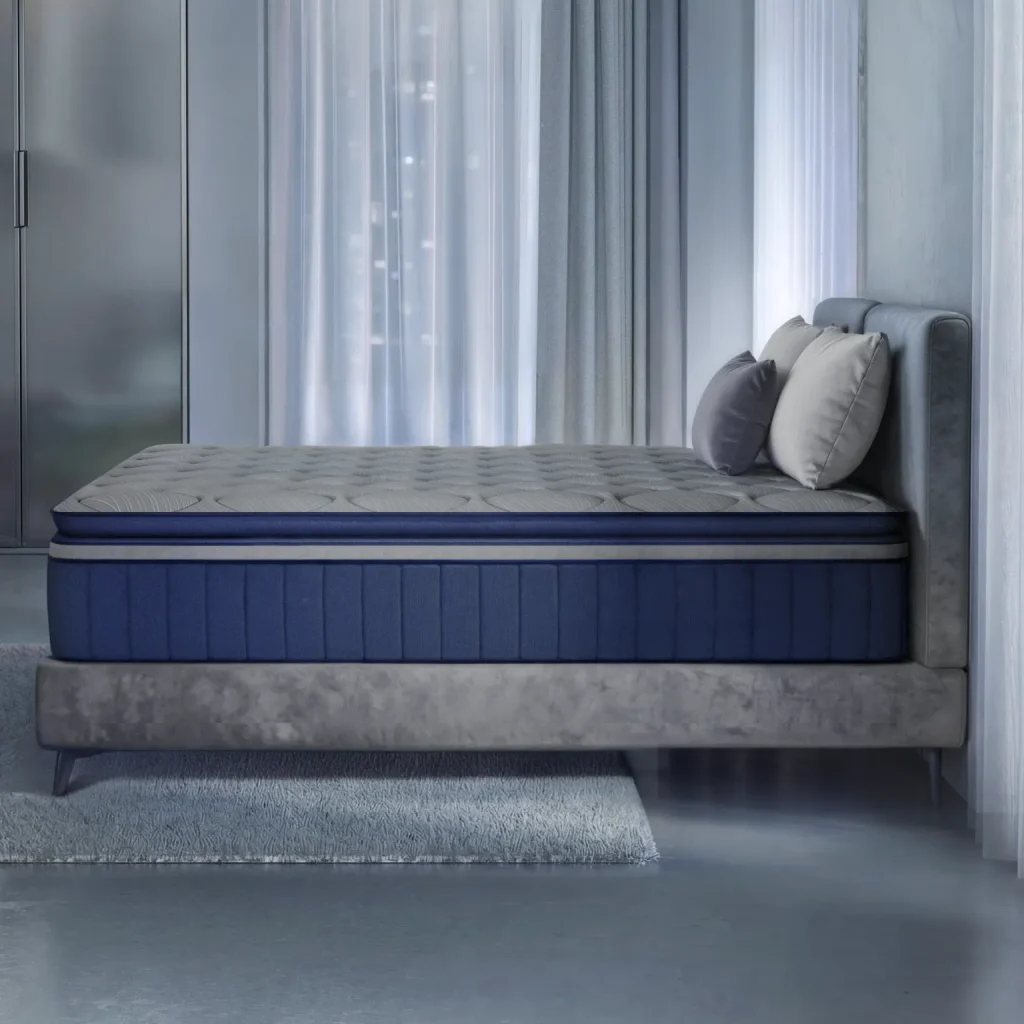
It is also helpful to consider the mattress and bedding together. If you prefer a heavy blanket because you like its weight, you may be able to keep that sensation while using a lighter layer underneath or choosing a comforter with a different construction. If you mainly use thick bedding out of habit, trying fewer layers may be the simplest adjustment. The best setup is one that provides the warmth and feel you prefer without becoming uncomfortable as the night progresses.
Blanket Weight Is Not the Same as Blanket Warmth
Some people enjoy the reassuring weight of a heavy blanket but do not necessarily want extra insulation. Others prefer a fluffy comforter because it feels soft, even if they do not need much warmth. Separating these preferences can help you choose bedding more deliberately.
The fabric and construction matter alongside weight. Two blankets of similar size can feel different depending on their filling, weave, and thickness. A dense, insulating blanket may retain more warmth than a lighter layer designed for use in a mild room. Labels and product descriptions can provide useful information, but the best choice also depends on the bedroom’s usual temperature and the sleeper’s comfort preferences.
If you enjoy a weighted blanket, follow its manufacturer’s safety and use guidance rather than assuming that a heavier option is better. Consider whether you need additional blankets underneath it, and avoid layering several insulating products simply because they are available. A more deliberate combination may provide the sensation you enjoy without unnecessary heat buildup.
Small Bedding Adjustments Can Make the Night More Consistent
Before changing the mattress or base, look for simple ways to make the bedding easier to manage. One option is to use a lighter comforter and keep an extra blanket nearby for nights when the room feels cooler. This allows you to adjust coverage without committing to several heavy layers throughout the night.
Sheet fit matters on an adjustable bed, too. A fitted sheet that is too tight may pull against the mattress as the base changes angle, while a loose sheet can shift or wrinkle. Check the mattress dimensions and follow the base and bedding manufacturers’ recommendations. If the comforter repeatedly slides down when the head section is raised, try a different blanket size or weight before adding clips or accessories that have not been approved for your setup.
Keep a short record of what works. Note the room conditions, bedding combination, and base position on nights when you sleep comfortably. If you wake feeling too warm, record whether the blankets had gathered around your body or whether the whole room felt stuffy. Over time, these observations can help distinguish a bedding issue from a more general problem with the sleep environment.
When Nighttime Warmth Deserves More Attention
Feeling warm under heavy covers is common, but repeated overheating should not always be attributed to bedding. Changes in room conditions, illness, medication, or other health factors can influence nighttime temperature and sweating. If you experience frequent, unexplained, or severe night sweats, particularly alongside other concerning symptoms, consult a qualified healthcare professional.
Likewise, if adjusting the base creates pain, numbness, or persistent discomfort, review the manufacturer’s instructions and return to a position that feels comfortable. A suitable bed setup should support your preferences without forcing you to tolerate an uncomfortable angle. Temperature and positioning are related parts of the sleeping experience, but they may require different solutions.
A Better Balance Between Warmth and Comfort
Heavy blankets serve a useful purpose, but they can also explain why a bed feels cool at bedtime and warm by morning. Their insulating effect, combined with body heat and changes in how the bedding sits on an adjustable surface, can create a sleeping environment that feels different several hours after you lie down.
Start by testing the bedding before assuming that the mattress is the problem. Try fewer layers, observe how blankets move when the base is raised, and consider the mattress construction if the warmth continues. A comfortable setup does not necessarily require the most expensive mattress or the lightest blanket. It requires a combination of bedding, mattress, base position, and room conditions that suits the way you actually sleep.
Related posts:
 Longhornsurvey com The Online Survey Platform
 Why Siding Plays a Key Role in Reducing Exterior Maintenance Throughout the Year
 The Ultimate Guide to Building Your Signature Personal Style
 Zach Bryan Merch and the Art of Building a Concert-Ready Wardrobe
 Smart Landscaping in Victoria BC: Irrigation, Drainage Planning and Low-Maintenance Yards
Leave a Reply