
From Ancient Taverns to Social Institutions
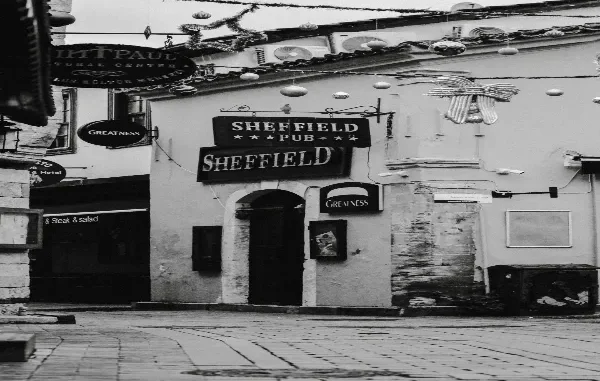
Pub culture in Europe has always been tied, in a very practical sense, to how cities actually functioned. Trade routes, movement, work, exhaustion at the end of long days, this is where it all starts. Long before anything resembling a modern bar existed, Roman tabernae were already scattered along roads and settlements. They were more like necessary stops. Eat something, drink wine, sit for a bit, then move on. But even then, something social was happening in the background.
By the medieval period, that “background” becomes harder to ignore. Alehouses and taverns stop being just stopovers for travellers and start becoming part of the local routine. In England especially, brewing slowly shifts from something done at home into a more organised trade. And then licensing arrives in the 1500s not really about hospitality, more about control, taxes, keeping some order in growing towns. Still, these places don’t stay administrative for long. People talk. News spreads. Arguments happen. So do celebrations. They become gathering points almost by accident.
Industrial Growth and the Urban Pub Identity
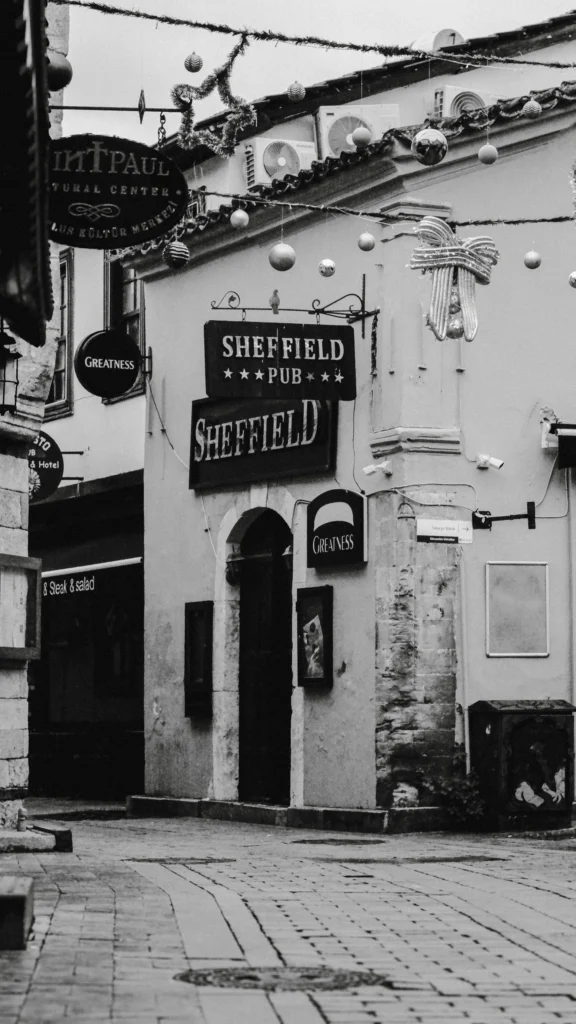
The Industrial Revolution changes everything, but not in a clean, sudden way. It’s more gradual, almost messy. Cities expand fast. Factories define daily life. Work hours’ stretch. And in that rhythm, pubs start to matter in a different way. Not just as social spots, but as relief. A place to sit without being watched too closely. A place where conversation feels less structured than everything else outside. It’s easy to forget how important that kind of space becomes in industrial cities.
At the same time, pubs themselves start to look more “designed.” Victorian interiors appear stained glass catching dim light, carved wood, and tiled entrances that still exist in some places today. There’s pride in these spaces, but also competition. Every pub trying to feel slightly more welcoming, slightly more established than the one next door.
Then comes the brewery system, the “tied houses.” Some independence is lost here. Large breweries begin controlling supply chains and influencing what gets served. It standardises parts of pub life, even if local character never fully disappears. Historic England has documented how closely pubs are tied to working-class life and urban identity.
Regional Identity and Cultural Variation
Even though “pub culture” is often treated like a British idea, the reality across Europe is more varied than that. In Ireland, public houses grew out of mixed-use shops, what were sometimes called “spirit groceries.” Over time, they separate into dedicated social spaces, and something interesting happens: music, storytelling, and everyday conversation become part of the structure. Not scheduled entertainment. Just something that naturally exists in the room.
In Germany and Belgium, things take a different shape altogether. Beer halls are larger, more communal, less about the corner pub and more about shared space. In some cases, they feel closer to indoor public squares than drinking establishments. Central Europe adds another layer with monastic brewing traditions, which still influence beer styles today.
What stands out isn’t similarity. It’s an adaptation. Each region builds its own version of the same basic idea: a place where people gather without needing a formal reason.
Modern Reinvention: Gastropubs and Experience-Based Tourism
In recent years, pubs have shifted again but not in a way that replaces what came before. Gastropubs are probably the clearest example. Food becomes more central, sometimes even the main reason people go. Yet the environment still carries traces of older pub culture. It’s layered rather than transformed.
Tourism adds another shift entirely. Travellers are no longer just ticking off landmarks. There’s more interest in experience, in routes, in guided storytelling that connects places together instead of isolating them.
In London, this shows up in various themed walking routes, including experiences such as the Jack the Ripper pub tour, where historical narrative is combined with physical walking paths and traditional pub stops.
Pub Culture as Living Heritage
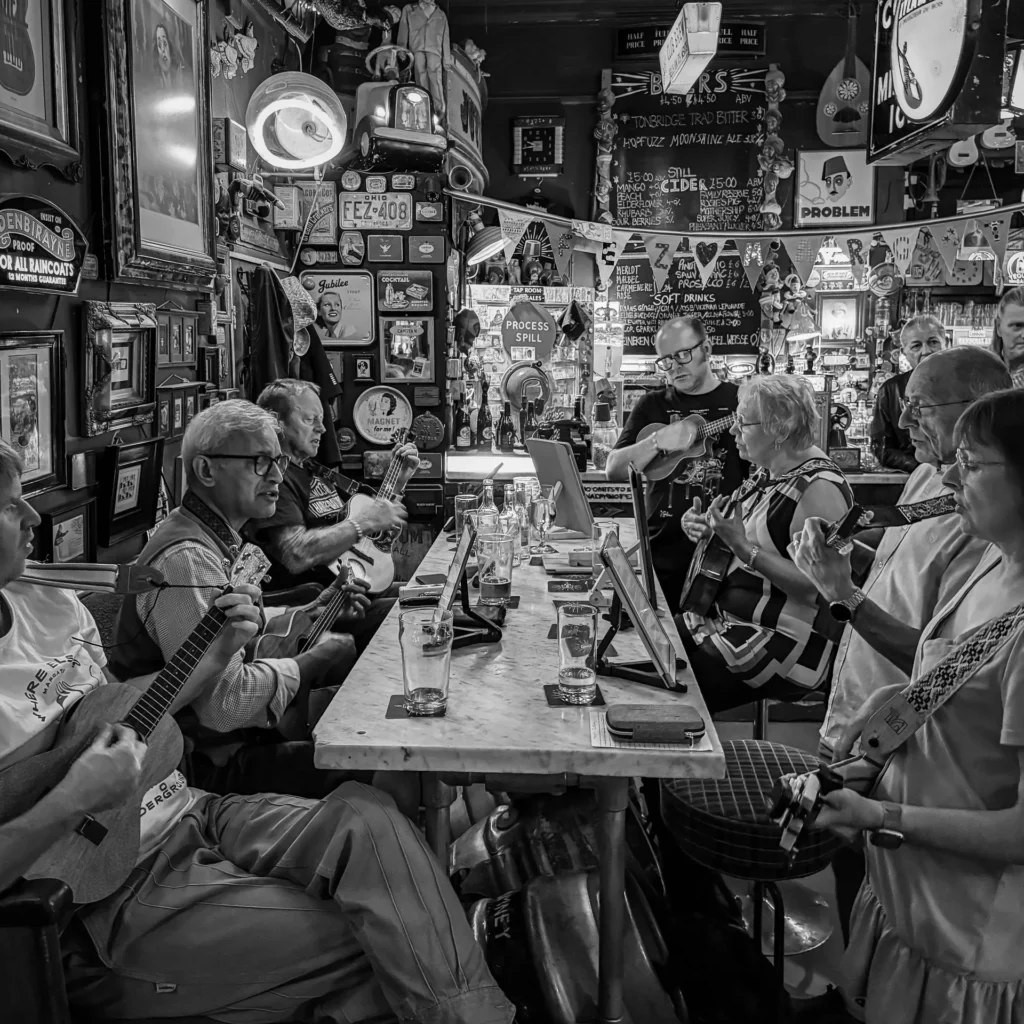
One thing that becomes clear when looking at pub culture across Europe is that it never really settles into “history.” Even the oldest pubs are still active spaces. Still adjusting. Still responding to whatever changes around them. Smoking bans, shifting drinking habits, the rise of craft beer, and changing expectations around food, none of these are small adjustments. Yet pubs adapt without losing their core identity.
Outdoor seating appears where it didn’t exist before. Menus expand. Interiors change. But the basic idea stays surprisingly stable. They remain places where people meet without needing a reason that feels too formal.
Conclusion
Pub culture in Europe doesn’t follow a straight line of evolution. It bends, slows down, speeds up, and changes shape depending on the city, the economy, and even the mood of the time.
From Roman roadside stops to modern experiential tourism, the form keeps shifting but the function doesn’t really disappear. At its core, it’s still about people sharing space in a way that feels unforced. And that’s probably why, even after centuries of change, pubs still feel familiar almost anywhere you go in Europe.





Leave a Reply