
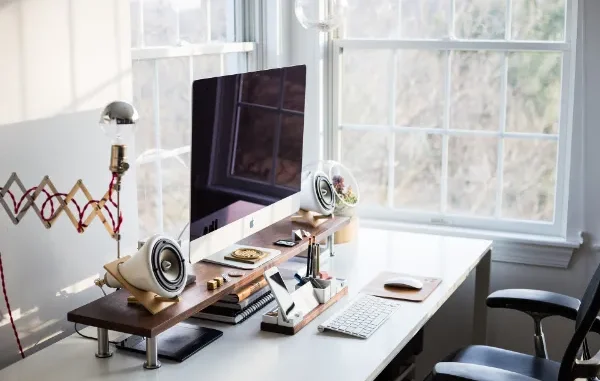
Creating a productive workspace at home requires more than placing a desk in a spare room. A well-designed home office should support focus, comfort, and organization throughout the day. The right furniture choices can make a noticeable difference in both efficiency and overall well-being.
Many homeowners begin upgrading their workspace by exploring collections at What’s New Furniture to find pieces that balance practicality and style. A thoughtfully arranged office does not have to feel sterile or disconnected from the rest of the home. Instead, it can blend seamlessly with your décor while still meeting professional needs.
Visiting a furniture showroom allows you to test desk height, chair comfort, and storage capacity before making a decision. Seeing pieces in person helps ensure they fit both your physical space and daily routine. With careful planning, you can create a home office that feels inviting, organized, and highly functional.

Start With the Right Desk
The desk serves as the centerpiece of any office. Its size should match both your room dimensions and work requirements. A compact writing desk may suit light computer use, while larger executive desks provide space for multiple monitors and paperwork.
Consider surface material carefully. Solid wood offers durability and a classic look, while engineered surfaces can provide a sleek, modern finish. Cable management features are also important to keep cords organized and out of sight.
Placement matters just as much as design. Position your desk near natural light when possible, but avoid glare on screens. Proper placement enhances productivity and comfort.
Choose a Supportive Chair
Spending hours seated each day requires proper support. Ergonomic chairs are designed to reduce strain on the back, neck, and shoulders. Adjustable seat height, lumbar support, and armrests help create a customized fit.
Key Ergonomic Features
Look for chairs with breathable materials that promote airflow. Adjustable tilt mechanisms allow you to shift positions throughout the day. These features encourage healthy posture and reduce fatigue.
Seat cushioning should feel supportive rather than overly soft. A chair that maintains its structure over time will provide better long-term value.
Matching Style With Comfort
While comfort is critical, appearance also matters. Choose upholstery and finishes that complement your office décor. Coordinating your chair with other furniture elements creates a cohesive and polished look.
Testing multiple models in person ensures you select a chair that feels right for your body type and daily workload.
Add Smart Storage Solutions
Clutter can quickly disrupt focus. Incorporating effective storage keeps documents, supplies, and electronics organized. Filing cabinets, shelving units, and credenzas each serve different purposes depending on your needs.
Vertical storage maximizes limited space. Tall bookcases provide room for reference materials while maintaining a small footprint. Drawer organizers and storage trays help keep smaller items neatly arranged.
When shopping at a trusted furniture showroom Portland professionals often recommend, you can compare storage configurations side by side. Seeing drawer depth and shelf spacing firsthand ensures the pieces meet your requirements.
What’s New Furniture offers a variety of storage solutions designed to integrate smoothly into both traditional and modern office layouts.
Focus on Lighting and Layout
Lighting plays a major role in productivity. Natural light boosts mood and energy, but task lighting is equally important. Adjustable desk lamps provide focused illumination for reading and detailed work.
Layering overhead lighting with softer accent lights creates balance. Avoid harsh glare that can strain your eyes. Position lighting sources thoughtfully to support different tasks throughout the day.
Layout should encourage easy movement. Keep frequently used items within arm’s reach. Maintain open pathways to prevent the room from feeling crowded.
Blend Comfort With Design
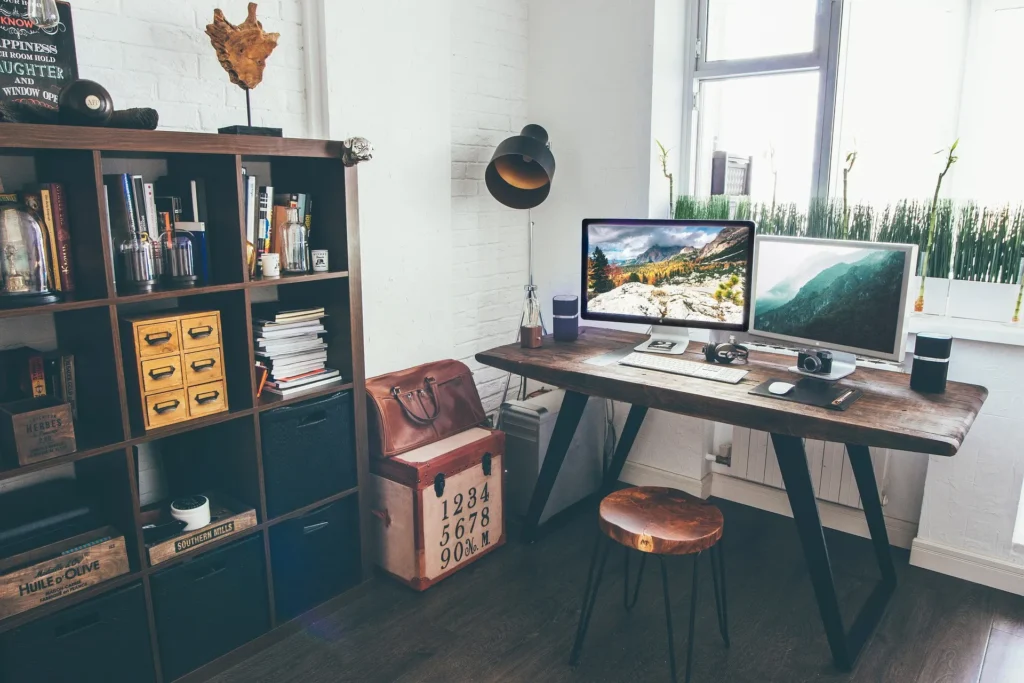
A home office should feel connected to the rest of your house. Choose finishes and colors that reflect your personal style. Warm wood tones create a cozy atmosphere, while lighter hues promote a clean, modern feel.
Incorporate small decorative elements such as artwork or indoor plants. These touches add personality without distracting from productivity. The goal is to design a space that motivates you to work efficiently.
Area rugs can also soften the room and reduce noise. Selecting complementary textures enhances visual interest while maintaining professionalism.
Consider Multi-Functional Pieces
In many homes, office space must serve multiple purposes. Guest rooms, living areas, or even dining rooms may double as workspaces. Multi-functional furniture helps maximize flexibility.
Desks with built-in shelves or fold-away designs save space when not in use. Storage benches and cabinets can discreetly hold office supplies while maintaining a tidy appearance.
Planning for versatility ensures your office adapts to changing needs. Investing in adaptable pieces reduces the need for frequent redesign.
Evaluate Long-Term Durability
Quality construction should always guide your purchase decisions. Examine joints, drawer slides, and hardware carefully. Well-built furniture withstands daily use and maintains its appearance over time.
Ask about warranty coverage and recommended care practices. Proper maintenance extends the life of desks and chairs. Simple habits such as cleaning surfaces regularly and tightening hardware when needed protect your investment.
What’s New Furniture emphasizes durability alongside style, helping homeowners create workspaces that perform reliably year after year.
Create a Productive Environment
Beyond furniture, consider how your workspace influences mindset. Keep the area organized and free from unnecessary distractions. Establish a consistent layout that supports your daily routine.
Personal touches such as framed photos or meaningful décor can inspire motivation. However, avoid overcrowding surfaces. A clean and balanced environment fosters focus and efficiency.
Sound control also matters. Soft furnishings, curtains, and rugs can absorb noise and create a quieter atmosphere for virtual meetings and concentrated tasks.
Build a Space That Works for You
Designing a home office is an investment in both productivity and comfort. By selecting supportive seating, functional desks, and smart storage solutions, you create an environment that enhances daily performance.
Taking time to explore options in person ensures that each piece fits your needs and style preferences. What’s New Furniture provides thoughtfully designed collections that help homeowners transform spare rooms into efficient, attractive workspaces. With careful planning and attention to detail, you can build a home office that supports success while maintaining the comfort and character of your home.




Leave a Reply