
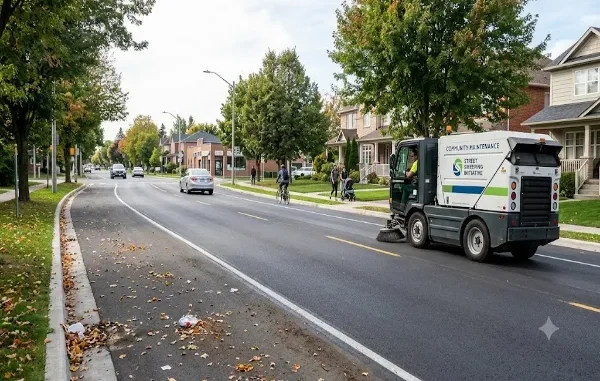
Clean streets play a much larger role in a community than simply improving appearance. Roads, curbs, and gutters collect leaves, dirt, litter, and other debris every day through traffic, weather, and nearby landscaping. Without regular maintenance, these materials gradually affect safety, drainage, and the overall condition of public and private spaces.
Many people overlook how quickly debris can accumulate on paved surfaces. What begins as a small amount of loose material can eventually block storm drains, reduce traction, and create an untidy environment that leaves a poor impression on residents and visitors alike. Preventive maintenance helps avoid these problems before they become more costly.
Experienced providers such as Cleaner Streets understand that keeping roads clean is an important part of responsible property and community management. Incorporating Street Sweeping into routine maintenance supports safer travel, healthier surroundings, and longer-lasting pavement.
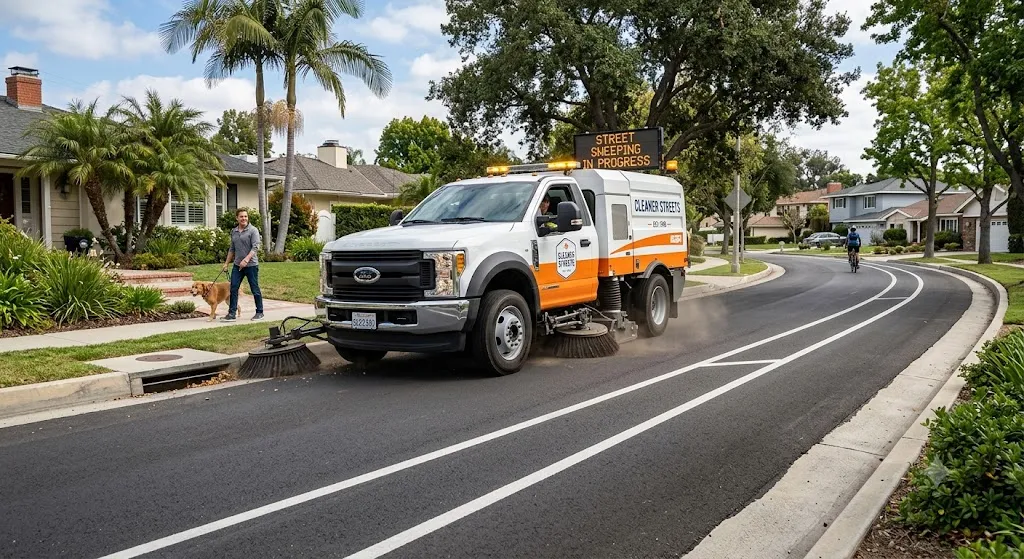
Improve Safety for Everyone on the Road
Roadways are shared by drivers, cyclists, pedestrians, and emergency vehicles throughout the day. Loose gravel, broken glass, branches, and litter may appear harmless at first, but they can create unexpected hazards when left on pavement.
Removing debris regularly reduces obstacles that may interfere with vehicle control or pedestrian movement. Clear streets also improve visibility by keeping lane markings, curbs, and traffic indicators easier to recognize.
Safer road conditions contribute to smoother travel while reducing the likelihood of preventable accidents.
Protect Stormwater Drainage Systems
Keep Water Flowing Properly
Leaves, dirt, and trash often gather near storm drains after windy weather or heavy traffic. If these materials remain in place, they may restrict water flow during rainfall and increase the risk of localized flooding.
Routine cleaning keeps drainage systems functioning efficiently while helping communities manage rainwater more effectively.
Prevent Expensive Drainage Problems
Blocked drainage systems can contribute to standing water, erosion, and unnecessary maintenance expenses. Addressing debris before it reaches stormwater infrastructure is far more practical than repairing damage later.
Preventive maintenance benefits both public infrastructure and privately owned properties.
Preserve Pavement Condition
Paved surfaces experience constant exposure to vehicle traffic, changing weather, and environmental contaminants. Fine dirt and sand often settle into small surface imperfections where they retain moisture and contribute to gradual deterioration.
Routine Street Sweeping removes abrasive materials before they accelerate wear. Cleaner pavement remains in better condition over time while requiring fewer corrective maintenance efforts.
Protecting paved surfaces also helps maximize the value of long-term infrastructure investments.
Enhance Community Appearance
The appearance of streets influences how people perceive neighborhoods, commercial districts, and public spaces. Well-maintained roads create a stronger sense of pride while making communities feel more welcoming.
Clean streets also encourage responsible behavior. People are generally less likely to litter in areas that already appear well cared for, helping maintain a higher standard of cleanliness throughout the community.
Attractive surroundings contribute positively to both residents and visitors while supporting local businesses.
Reduce Environmental Impact
Remove Pollutants Before Rainfall
Roadways naturally collect vehicle residue, dust, organic material, and small amounts of litter. During rainstorms, these contaminants may wash into nearby waterways if they are not removed beforehand.
Routine sweeping helps reduce the amount of debris entering stormwater systems, supporting cleaner local environments.
Support Cleaner Public Spaces
Removing debris consistently also discourages additional waste from accumulating. Cleaner surroundings contribute to healthier neighborhoods while supporting broader environmental maintenance efforts.
Preventive cleaning plays an important role in protecting both developed areas and nearby natural resources.
Support Commercial Property Maintenance
Businesses benefit from maintaining clean exterior spaces that create positive first impressions. Customers often notice parking areas, sidewalks, and surrounding streets before entering a building.
Debris-filled roadways and entrances may suggest neglect, even when interior spaces are well maintained. Keeping surrounding pavement clean helps businesses present a more professional image while improving accessibility for customers.
Cleaner Streets helps commercial properties maintain attractive, organized environments that reflect positively on their operations.
Adapt Maintenance to Seasonal Conditions
Cleaning needs naturally change throughout the year. Autumn brings falling leaves, spring introduces pollen and organic debris, summer often increases dust, and winter may leave sand or other seasonal materials behind.
Adjusting maintenance schedules according to changing conditions helps prevent excessive buildup before it becomes difficult to manage. Seasonal planning also supports more consistent pavement conditions regardless of weather.
Flexible maintenance programs allow communities and property owners to respond effectively to changing environmental demands.
Improve Long-Term Maintenance Efficiency
Routine maintenance often reduces the need for larger cleanup projects later. Small amounts of debris removed consistently require less effort than addressing months of accumulated dirt and litter.
Regular street sweeping in Los Angeles County also supports inspections by making pavement conditions easier to evaluate. Cracks, drainage concerns, or developing maintenance issues become more visible once debris has been removed.
Cleaner Streets encourages preventive maintenance because small, consistent efforts often provide the greatest long-term value for both public and private properties.
Build Stronger Community Pride
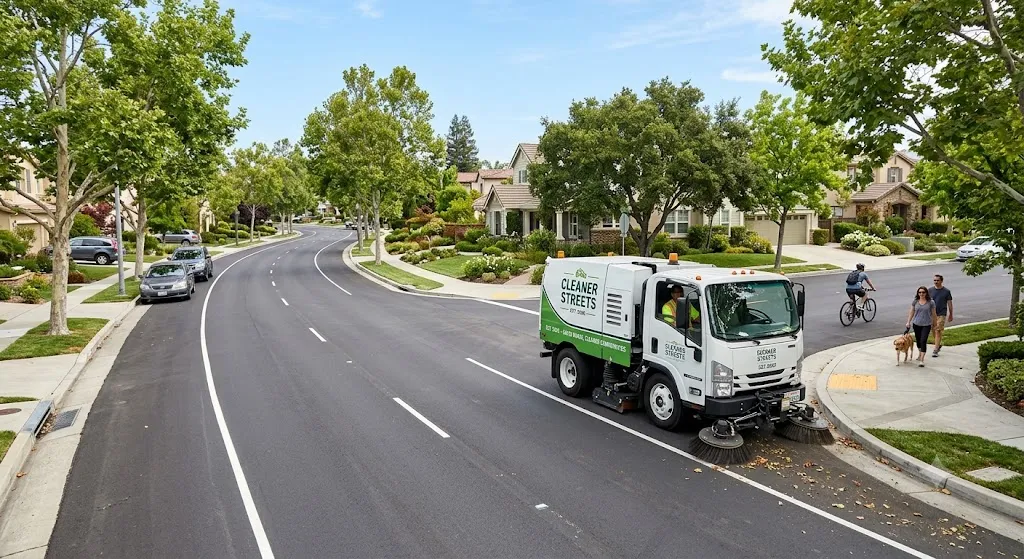
Clean streets contribute to a greater sense of community ownership. Residents are more likely to appreciate and care for neighborhoods that consistently appear organized and well maintained.
Visitors also form positive impressions when public spaces remain clean and accessible. Attractive streets support community events, encourage local activity, and create environments where people enjoy spending time.
Investing in regular maintenance demonstrates a commitment to preserving shared spaces for everyone.
Conclusion
Maintaining clean streets involves much more than improving appearance. Regular debris removal supports road safety, protects drainage systems, preserves pavement, and creates healthier environments throughout neighborhoods and commercial districts.
Consistent maintenance also reduces long-term repair costs while improving the overall experience for residents, businesses, and visitors alike. Preventive care allows communities to address small issues before they develop into larger infrastructure challenges.
Choosing dependable Street Sweeping as part of an ongoing maintenance strategy helps protect valuable public spaces while supporting cleaner, safer, and more welcoming communities. With experienced professionals and a consistent schedule, paved surfaces can continue serving their purpose while maintaining their appearance and functionality throughout the year.





Leave a Reply