
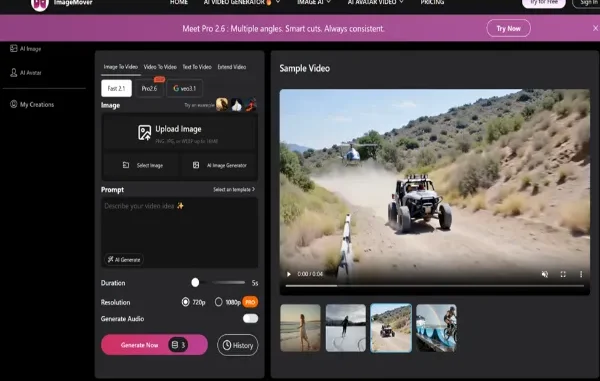
Video creation once followed a long and demanding workflow. A simple marketing clip or short social media video could involve scripting, filming, editing, animation, rendering, and revisions. For large production teams, this was manageable. For independent creators, startups, and small businesses, it often became a barrier.
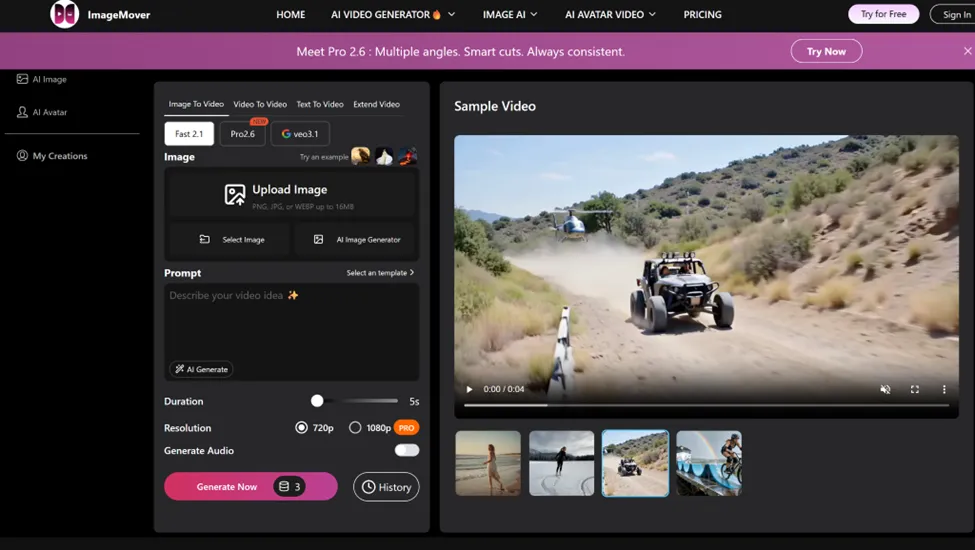
Today, an AI Video Generator can transform an idea into usable visual content within minutes. Instead of spending hours building scenes manually, creators can now rely on automation to handle motion, transitions, visual enhancement, and even storytelling structure.
This shift is not just making video creation faster—it’s changing how digital content is planned, produced, and distributed.
The Old Workflow Was Built Around Technical Limitations
Traditional video production required multiple stages because software lacked automation. Every movement, transition, and timing adjustment needed manual control.
Even short videos demanded:
- Video editing software
- Animation tools
- Timeline management
- Visual assets
- Rendering knowledge
For many creators, the process felt less creative and more technical.The biggest problem wasn’t lack of ideas it was the time required to turn ideas into finished visuals.
That’s exactly where AI-powered workflows are creating disruption.
The New Workflow Starts with an Idea, Not Editing Skills
Modern AI systems simplify production by reducing the number of technical decisions users need to make.Instead of asking creators to build scenes manually, AI tools ask simple questions:
- What type of video do you want?
- What visual style fits the content?
- Which images or assets should be used?
The software then handles much of the heavy lifting automatically.This changes the creator’s role. Instead of functioning like an editor or animator, the user becomes more of a creative director guiding the system toward a desired outcome.
Step One: Defining the Content Direction
Every video still begins with an idea, but AI workflows allow creators to move from concept to execution much faster.
For example:
- A business may want a product teaser
- A creator may need a short motivational reel
- A travel page may want cinematic motion from photos
- A fashion account may need aesthetic visual edits
The workflow starts by identifying the goal and selecting source content, which may include:
- Images
- Graphics
- Product photos
- Portraits
- Artwork
This stage is simple but important because AI tools build movement and pacing around the provided visuals.
Step Two: Transforming Images into Motion
One of the most important advances in modern content generation is the rise of the AI Image to Video Generator workflow.
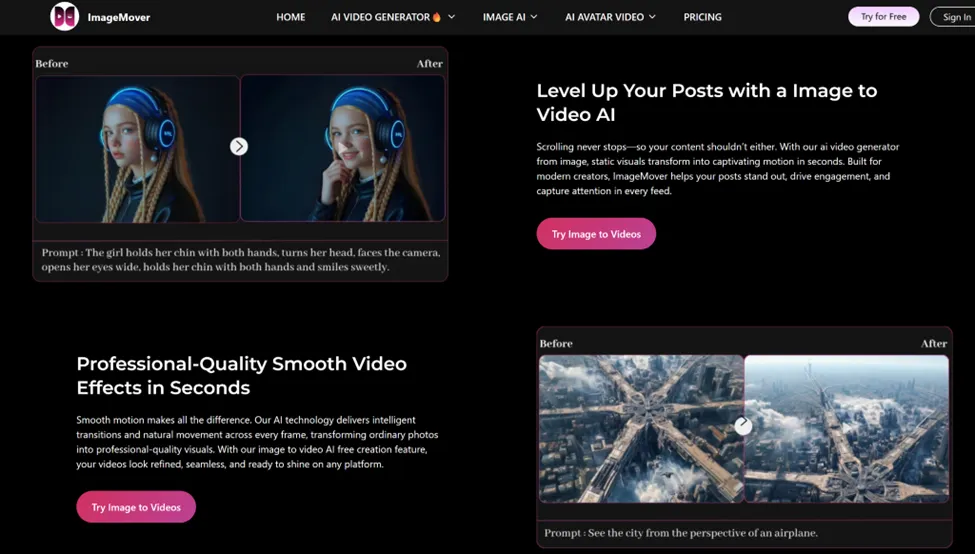
Instead of requiring recorded footage, creators can now animate still images intelligently.This process goes beyond simple zoom effects. AI systems analyze:
- Foreground separation
- Depth perception
- Facial positioning
- Scene composition
- Perspective layers
Using that information, the software creates motion that feels more cinematic and dynamic.
A portrait image may receive subtle camera movement and facial animation. A product image may gain lighting motion and smooth transitions. Landscapes may appear immersive through layered depth effects.
This ability to generate movement from still visuals dramatically reduces production complexity.
Automation Is Reshaping Editing Speed
One of the biggest reasons creators are adopting AI workflows is speed.
Traditional editing often slows down production because every adjustment requires manual input. AI tools automate much of this process instantly.
Instead of manually:
- Animating transitions
- Syncing motion
- Adjusting pacing
- Creating visual effects
The AI generates these elements automatically based on selected templates, prompts, or styles.
This allows creators to produce content in minutes rather than hours.Platforms like Imagemover AI are helping streamline this workflow by focusing on fast generation without overwhelming users with technical controls.
Why Social Media Changed Everything
The rise of short-form content accelerated demand for faster production systems.Modern creators often publish across:
- TikTok
- Instagram Reels
- YouTube Shorts
- Facebook Stories
- LinkedIn video posts
Maintaining consistent video output across multiple platforms using traditional editing methods is difficult.AI video workflows solve this problem by making rapid production realistic for individuals and small teams.
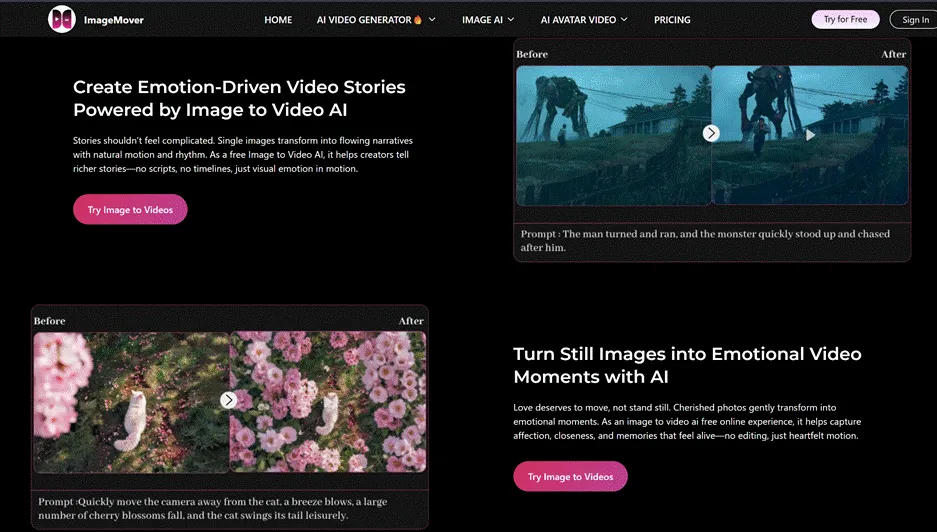
Instead of filming new footage constantly, creators can repurpose existing visuals into engaging motion content using an AI Video Generator.This flexibility is one reason AI-assisted workflows are growing so quickly.
Templates Are Becoming Smarter
Earlier content tools relied heavily on static templates. Modern AI systems are becoming much more adaptive.Instead of applying identical motion patterns to every image, newer systems interpret content differently depending on:
- Subject type
- Scene depth
- Object placement
- Visual mood
This creates videos that feel less repetitive and more personalized.
For example, a dramatic portrait may receive cinematic motion, while a product showcase may use cleaner commercial-style movement.
This intelligent adaptability is making AI-generated content feel more polished and less robotic.
AI Is Lowering the Barrier for Businesses
Businesses are increasingly using AI-powered workflows because they reduce production costs significantly.Creating promotional videos traditionally required:
- Videographers
- Editors
- Motion designers
- Studio equipment
Now, businesses can generate marketing visuals from existing image libraries.A product catalog can quickly become:
- Animated advertisements
- Social media promos
- Brand storytelling clips
- E-commerce product showcases
For startups and small brands, this creates access to video marketing without requiring large creative budgets.
Imagemover AI fits naturally into this shift by helping users generate fast visual content with simplified workflows.
The Human Role Is Changing, Not Disappearing
One common misconception is that AI removes creativity from video production.In reality, AI changes where creative effort is focused.Creators spend less time on repetitive editing tasks and more time thinking about:
- Storytelling direction
- Visual identity
- Audience engagement
- Style consistency
- Brand tone
The technical side becomes automated, while creative decision-making remains human-driven.
The Future Workflow Will Be Even Faster
Current AI systems are already impressive, but they are still evolving rapidly.Future workflows are expected to include:
- Real-time video generation
- Voice-driven editing prompts
- AI-generated cinematic camera motion
- Automatic scene sequencing
- Better emotional storytelling
Eventually, creators may simply describe the type of video they want, and AI will generate complete visual sequences automatically.
This doesn’t mean traditional editing disappears entirely. High-end production will still exist. But everyday content creation is becoming dramatically more accessible.
Why Speed Matters More Than Ever
In modern digital spaces, timing matters almost as much as quality.Trends move quickly. Viral topics disappear fast. Businesses need rapid campaign production. Creators need consistent uploads.AI workflows support this speed-focused environment by reducing production bottlenecks.
Instead of spending days producing one short clip, creators can experiment with multiple concepts quickly and publish more consistently.This ability to move rapidly from idea to execution is becoming one of the biggest competitive advantages in online content creation.
Final Thoughts
The creative workflow behind video production is being redesigned by artificial intelligence. What once required technical expertise, editing software, and long production timelines can now happen within minutes through automation.
The rise of the AI Video Generator workflow is not simply about convenience—it’s about accessibility, speed, and creative flexibility. By combining automation with visual intelligence, modern tools allow creators to focus more on ideas and less on technical complexity.
Platforms like Imagemover AI are helping lead this transition by simplifying how visual content is created from images and concepts.
Related posts:
 Water Damage Restoration Service Lanham: Fast & Efficient
 What Does C3PAO Mean for the Future of Risk Management?
 Creating Stunning Face Swap Videos with AI: How to Use Face Swap Video Tools for Free
 How Dechecker AI Checker Turns Awkward Drafts Into Human-Readable Content
 The Complete Guide to Using Telegram for Secure and Smart Communication
Leave a Reply