
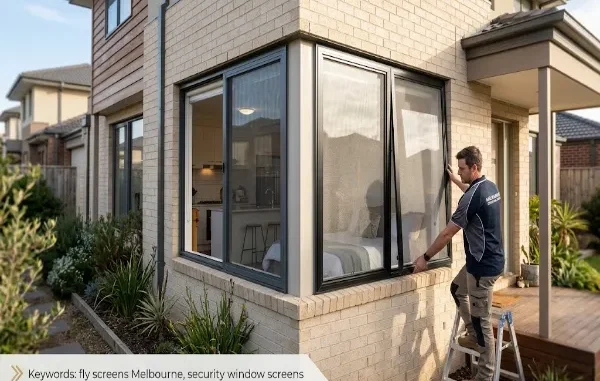
Every window in a home is doing a slightly different job. The one over the kitchen sink gets opened constantly for a quick breeze. The one in a ground floor bedroom probably needs to stay secure overnight. The one in an upstairs hallway rarely gets touched at all. Treating all of them the same, one blanket product across every opening, usually means some windows end up over-specified and others under-protected.
Working out what each window actually needs starts with understanding the real difference between standard fly screens Melbourne homes have used for decades, and the security window screens that have become considerably more common in recent years.
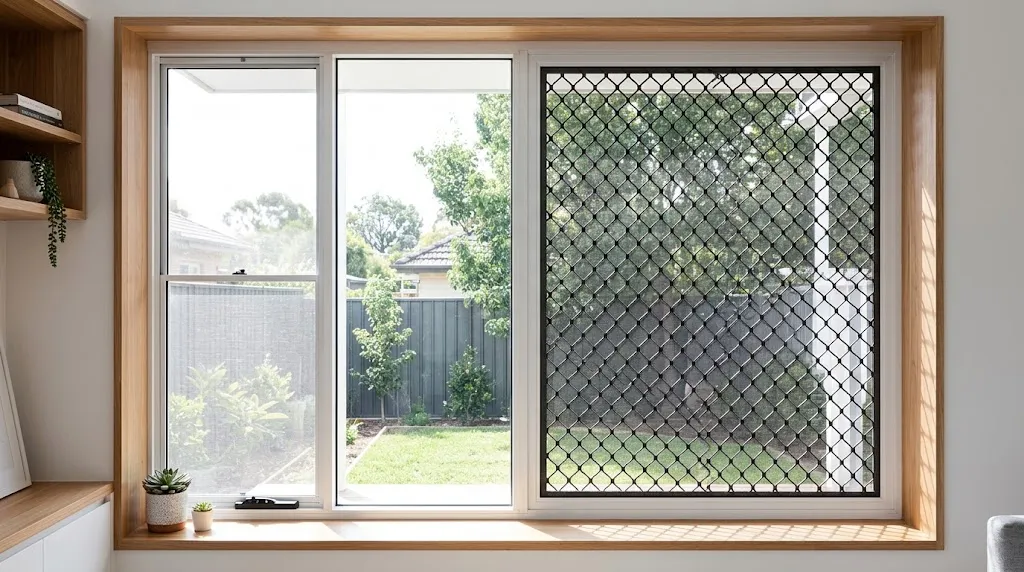
What a Standard Fly Screen is Built For
A standard fly screen exists to do one job well: keep insects out while letting air move freely through an open window. The mesh is typically fibreglass or aluminium, lightweight, easy to fit, and inexpensive to replace if damaged. It’s a comfort product first and foremost.
Fly screens genuinely suit:
- Upper floor windows, where forced entry risk is naturally low
- Frequently opened windows, where ease of use and airflow matter more than strength
- Budget-conscious projects covering several windows across a property
- Homes prioritising insect control as the main concern for a specific window
What Security Window Screens Add to the Equation
Security window screens start from a different design brief entirely. Rather than prioritising cost and simplicity, they’re built around a fine, high-tensile mesh, usually stainless steel, held in a reinforced frame designed to resist cutting, prying, and forced impact.
The result is a screen that still allows airflow and light through, much like a standard fly screen, but with genuine resistance behind it. A few specific differences worth understanding:
- Mesh strength, with security-rated mesh considerably harder to cut or force through than standard fibreglass
- Frame construction, typically heavier and more securely fixed than a standard fly screen frame
- Testing and certification, with genuine security products rated against recognised standards rather than simply marketed as “heavy-duty”
- Locking mechanisms, in cases where the screen also functions as a openable, lockable barrier rather than a fixed mesh panel
Matching the Right Option to Each Window Type
Different windows call for different answers, and it’s worth thinking through a few practical factors for each one:
Ground floor windows, particularly those facing the street or a side access point, generally warrant security window screens over standard fly screens, given the higher risk of forced entry at ground level.
Windows left open overnight or while a home is unoccupied benefit significantly from security screening, since this is exactly the scenario a standard fly screen offers no protection against.
Upper floor windows in most homes can reasonably stick with standard fly screens, since the practical risk of forced entry drops considerably once height becomes a factor.
Windows in high-use, high-visibility areas, like a living room facing the street, sometimes warrant security screening for peace of mind even at ground level, beyond just the physical security consideration.
Airflow: Does Security Screening Actually Cost You Anything?
A common concern is whether the stronger mesh used in security screens noticeably restricts airflow compared to a standard fly screen. In practice, well-designed security mesh is engineered specifically to minimise this trade-off, and the difference in everyday airflow tends to be marginal rather than noticeable.
The bigger factor affecting how much air actually moves through any given window is usually the window’s own design, how far it opens and in what direction, rather than which screen type sits across it.
Weighing Cost Against Genuine Need
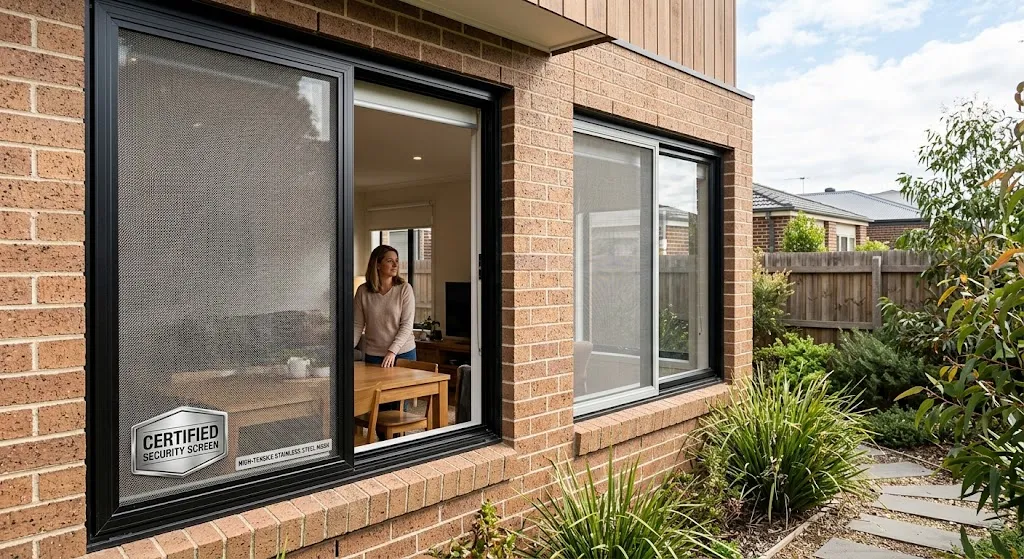
Security window screens cost more than standard fly screens, reflecting the heavier mesh, reinforced frame, and testing behind them. That extra cost is easiest to justify on the windows that genuinely carry higher risk, ground floor, less visible, or frequently left open, while standard fly screens remain a perfectly sensible, cost-effective choice everywhere else.
A mixed approach across a property, rather than choosing one screen type for every window, tends to deliver the best overall value for most homeowners.
Questions Worth Asking Before You Choose
A few questions help clarify what each specific window in your home actually needs:
- How exposed or visible is this particular window from outside the property?
- Is this a window that typically stays open, including overnight?
- What’s the realistic cost difference between a fly screen and a security screen for this specific opening?
- Does the supplier offer genuine, tested security products, or products simply marketed as tougher without documented backing?
Making the Right Call, Window by Window
There’s no single right answer that applies to every window in a home. The smartest approach treats each opening individually, weighing its exposure, usage, and genuine risk before deciding between a standard fly screen and a proper security window screen. Get that assessment right, and every window ends up with exactly the protection it actually needs, no more, no less.
Related posts:
 Who Is Calling From 14075830183? What You Need to Know About This Mysterious Florida Number
 The Many Struggles of a Digital Nomad and How to Deal with Them
 Understanding Long-Term Disability Claims in Michigan and Workplace Injury Legal Support
 Canada Visa for Indians Planning a Summer in the Great White North
 How VR Porn Is Challenging Traditional Views on Sex and Connection
Leave a Reply