
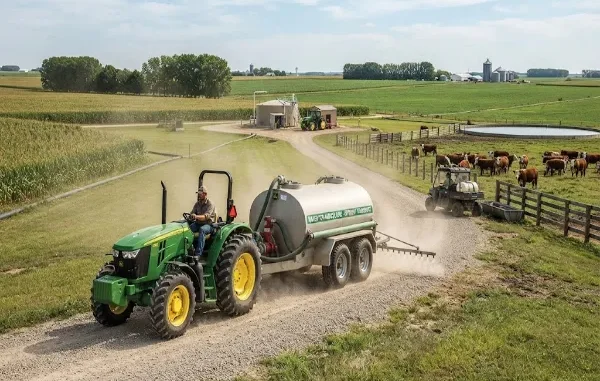
Managing a large property often means moving water from one location to another. Whether it’s for livestock, irrigation, dust control, landscaping, or maintenance, transporting water efficiently can make a noticeable difference to both productivity and operating costs.
Unfortunately, many people underestimate how much time is lost making unnecessary trips, using unsuitable equipment, or failing to plan ahead. Choosing the right solution—whether that’s a trailer or an industrial water truck for larger-scale operations—can help ensure water is available where it’s needed without disrupting the day’s work.
If you’re looking to save time and reduce waste, here are several practical ways to improve water transport across your property.
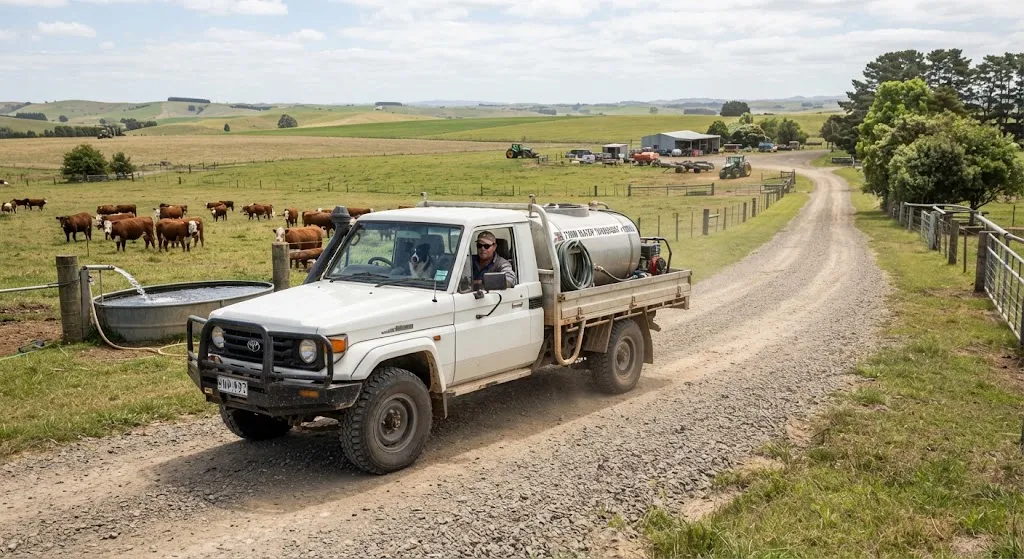
Start by Understanding Your Water Needs
Before investing in equipment or changing your routine, take a closer look at how water is actually used.
Ask yourself:
- How much water do you typically move each day?
- Which tasks require the largest volumes?
- How far does the water need to travel?
- Are your needs seasonal or consistent throughout the year?
Having a clear understanding of your requirements makes it much easier to choose an efficient transport strategy.
Reduce the Number of Trips
Every trip across a property takes time, consumes fuel, and increases wear on vehicles.
One of the easiest ways to improve efficiency is to minimise unnecessary travel.
You can often do this by:
- Combining several watering tasks into one trip
- Scheduling work in the same area together
- Planning refill times carefully
- Avoiding partially filled loads where practical
Fewer trips mean more time spent completing productive work.
Keep Equipment Well Maintained
Water transport equipment works hard and should be inspected regularly.
Routine maintenance includes checking:
- Tyres
- Pumps
- Hoses
- Fittings
- Valves
- Tank mounts
A small leak or damaged fitting may seem insignificant, but over time it wastes water, increases refill frequency, and can lead to unexpected downtime.
Choose the Most Efficient Routes
It’s easy to fall into the habit of using the same route every day without considering whether it’s the best option.
Review your property layout and look for opportunities to:
- Reduce travel distance
- Avoid difficult terrain
- Minimise steep inclines
- Improve access to refill points
Even small route improvements can save considerable time over weeks and months.
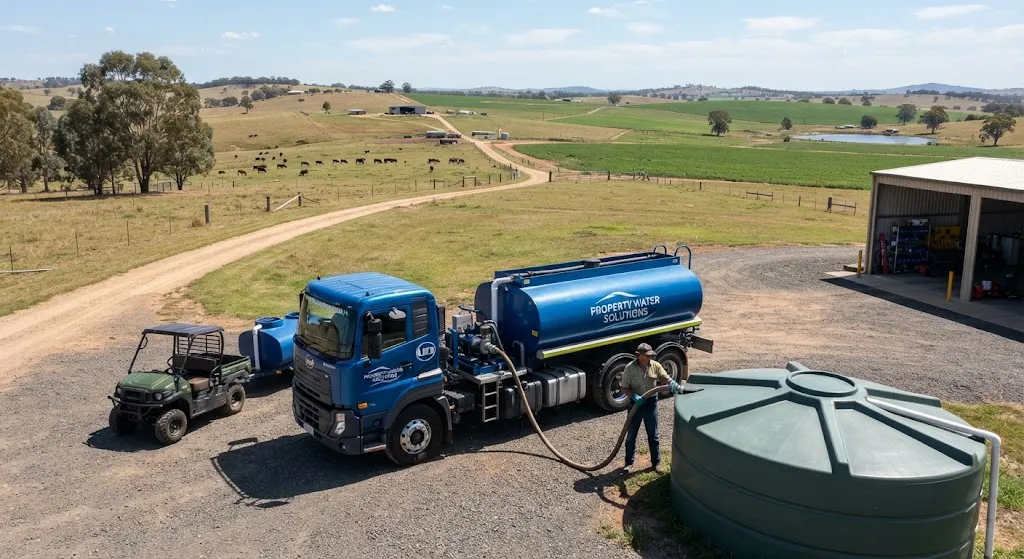
Avoid Water Loss During Transport
Every litre that spills during transport is a litre that must be replaced.
Check that:
- Tank lids are secure
- Hoses are stored properly
- Connections are tightened
- Pumps are switched off when not in use
Preventing unnecessary losses helps make every trip more productive.
Match Equipment to the Job
Not every task requires the same amount of water.
Smaller maintenance jobs may need only modest water volumes, while larger projects such as dust suppression or irrigation demand significantly greater capacity.
Using equipment that’s appropriate for the workload improves efficiency while reducing unnecessary fuel use and handling time.
Coordinate Water Transport With Other Tasks
Water transport becomes far more efficient when it’s integrated into the day’s overall work schedule.
For example, rather than making separate trips for watering, equipment cleaning, and livestock maintenance, consider completing these tasks during the same circuit of the property.
This approach reduces unnecessary travel while making better use of both time and equipment.
Monitor Usage Patterns
Keeping simple records helps identify opportunities for improvement.
Track information such as:
- Daily water usage
- Number of transport trips
- Fuel consumption
- Seasonal demand
- Time spent transporting water
Over time, these records reveal patterns that may otherwise go unnoticed and make future planning much easier.
Preparation Makes Every Job Easier
Many water transport problems can be avoided before the day even begins.
Take a few minutes each morning to:
- Check equipment condition
- Confirm water levels
- Review scheduled tasks
- Plan travel routes
- Prepare any required hoses or fittings
Starting organised reduces delays and helps work continue smoothly throughout the day.
Better Planning Leads to Better Results
Transporting water efficiently isn’t simply about moving larger volumes. It’s about making every trip count.
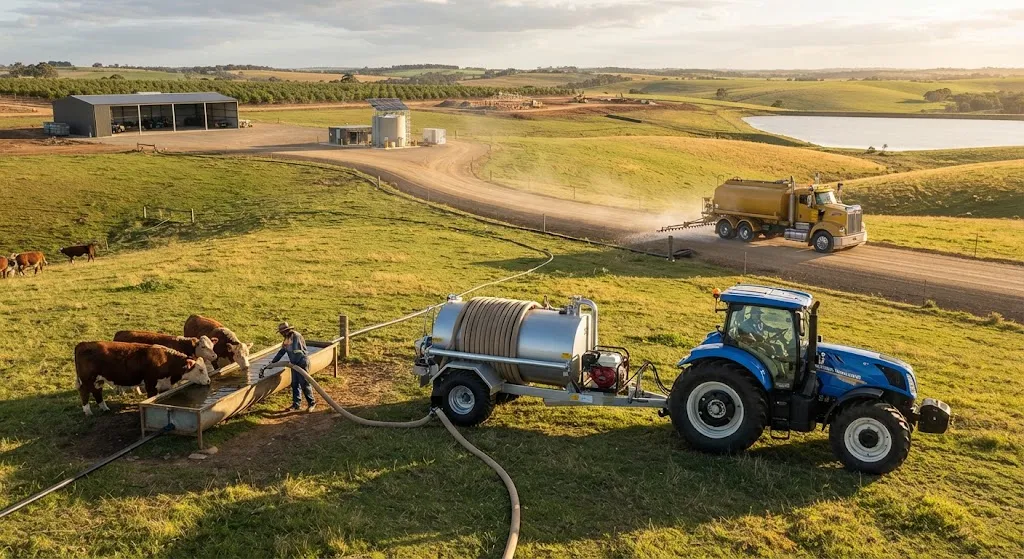
When equipment is well maintained, routes are carefully planned, and daily tasks are organised logically, water reaches where it’s needed with less wasted time, lower fuel costs, and fewer interruptions.
Whether you’re maintaining a rural property, managing agricultural land, or supporting large outdoor projects, small improvements to your water transport routine can deliver significant long-term benefits. By focusing on preparation and efficiency rather than simply working harder, you’ll spend less time moving water and more time completing the work that matters most.



Leave a Reply