
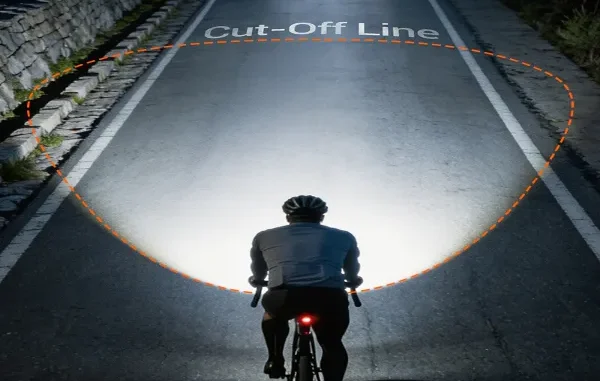
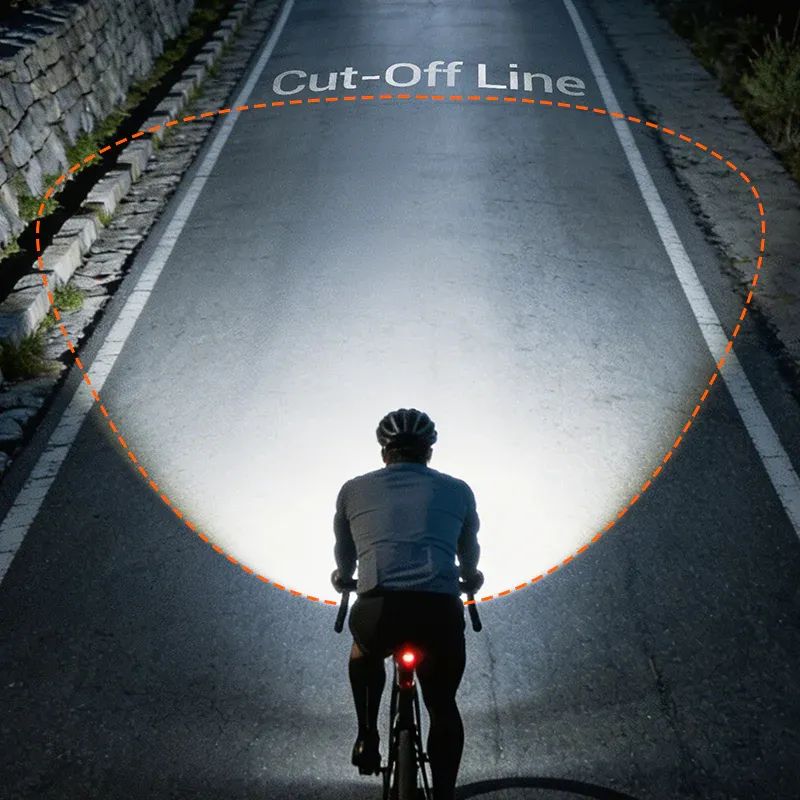
I used to think that cycling after sunset was mostly about knowing my route and riding carefully. As long as I could see the road ahead and my bike was working properly, I assumed I was prepared. That mindset changed after a few evening rides when I realized that visibility was not just about helping me see it was also about helping others notice me.
A reliable front lamp bike setup became one of the most important upgrades I made. It gave me more confidence on unfamiliar roads, improved my awareness during low-light conditions, and made my overall riding experience feel much safer. Whether I am commuting through city streets or exploring quiet trails, proper lighting has become something I never overlook.
Why I Started Taking Bike Lighting More Seriously
My interest in better bike lighting started when I began extending my rides into the evening. During daylight hours, obstacles like potholes, uneven surfaces, and road debris are usually easy to spot. However, those same challenges become much harder to handle when natural light disappears.
I quickly learned that a small or low-quality light may technically illuminate the road, but it does not always provide the visibility needed for confident riding. A good bike light should help me judge distance, recognize changes in the road, and react quickly when unexpected situations appear. That is why choosing the right lighting equipment became part of my regular cycling preparation rather than an optional accessory.
What I Look For in a Front Bike Light
When I started comparing different options, I realized that brightness alone was not the only factor that mattered. Many riders focus only on how many lumens a light produces, but there are several other details that affect the riding experience. The first thing I consider is beam quality. A well-designed light should provide enough coverage without creating unnecessary glare for people approaching from the opposite direction. A balanced beam pattern allows me to focus on the road while still being considerate toward other cyclists, drivers, and pedestrians.
Battery performance is another feature I pay close attention to. There is nothing more frustrating than preparing for a long ride and discovering that the light cannot last as long as expected. Reliable battery life gives me peace of mind, especially when I am away from busy areas. Mounting is also important. A light should stay secure even when riding over rough surfaces. A loose accessory can quickly become distracting and reduce the purpose of having a light in the first place.
How Trail Riding Changed My View of Lighting
My experience with off-road cycling taught me that lighting needs can vary depending on the environment. When I started spending more time on trails, I understood why many riders invest in specialized mountain bike lights. Trail conditions can change quickly. A smooth path can suddenly turn into a rocky section, a sharp turn, or an area with limited visibility. Unlike city roads where streetlights may provide some assistance, mountain trails often require riders to depend completely on their own equipment. For these situations, having dependable lighting helps me maintain control and ride with more confidence. Good illumination allows me to read the terrain better and make decisions earlier instead of reacting at the last moment.
Finding the Balance Between Power and Practicality
One mistake I made early on was assuming that the brightest light was automatically the best choice. Over time, I learned that the ideal option depends on how and where I ride. For short urban rides, I may not need the same lighting power required for remote trails. For longer adventures, stronger performance and extended battery life become much more valuable.
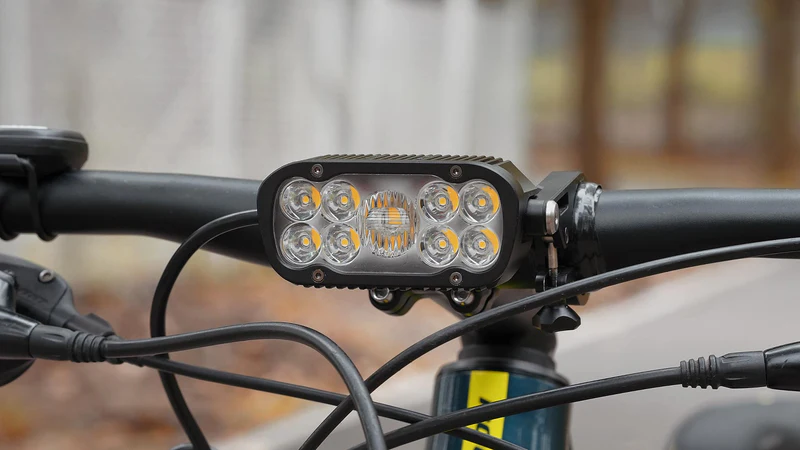
This is where brands like RAVEMEN have gained attention among cycling enthusiasts. Their approach focuses on practical lighting solutions, including mountain bike lights, designed around real riding situations such as visibility, beam control, and different cycling environments. Instead of treating every rider the same, quality lighting products are created to support different riding styles and needs.
Small Equipment Upgrades Can Create a Better Experience
Cyclists often spend time upgrading components like tires, pedals, or bike computers, but smaller accessories can make an equally noticeable difference. A dependable front light is one of those upgrades that improves both safety and enjoyment. After adding better lighting to my rides, I noticed that I was less hesitant about cycling during early mornings or evenings. I could focus more on the ride itself instead of constantly worrying about whether I would be visible enough. For me, cycling is about freedom and exploration. Good equipment should support that feeling, not limit it.
Conclusion
Choosing the right front lamp bike option completely changed how I approach cycling after dark. It helped me feel more prepared, improved my confidence, and made different riding environments easier to manage. Whether someone enjoys daily commuting, weekend adventures, or challenging trails, investing in proper lighting is a decision worth considering. The right setup is not only about seeing the road it is about creating a safer and more enjoyable experience every time I ride.
FAQs
A front bike light helps riders see upcoming obstacles while also making them more noticeable to drivers, pedestrians, and other cyclists. It improves awareness and confidence during low-light conditions.
Yes. Mountain bike lights are often designed for more demanding environments where riders need stronger illumination, wider coverage, and reliable performance on uneven trails.
The ideal brightness depends on riding conditions. Urban riders may need moderate brightness, while cyclists riding on dark roads or trails may benefit from a more powerful option.
Using the correct brightness mode, charging the battery regularly, and choosing a light with suitable battery capacity can help extend performance during rides.
Yes. A front light can improve visibility even during daylight, especially in busy traffic areas, poor weather conditions, or situations where being noticed is important.




Leave a Reply