
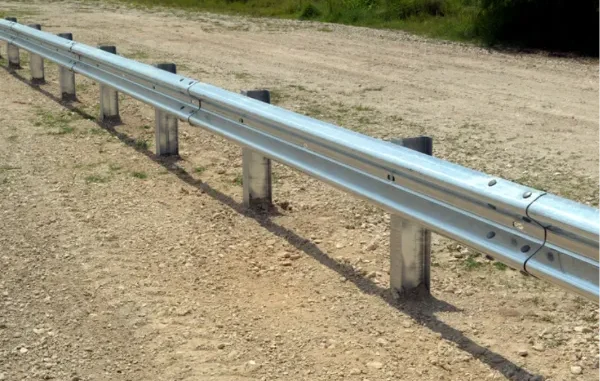
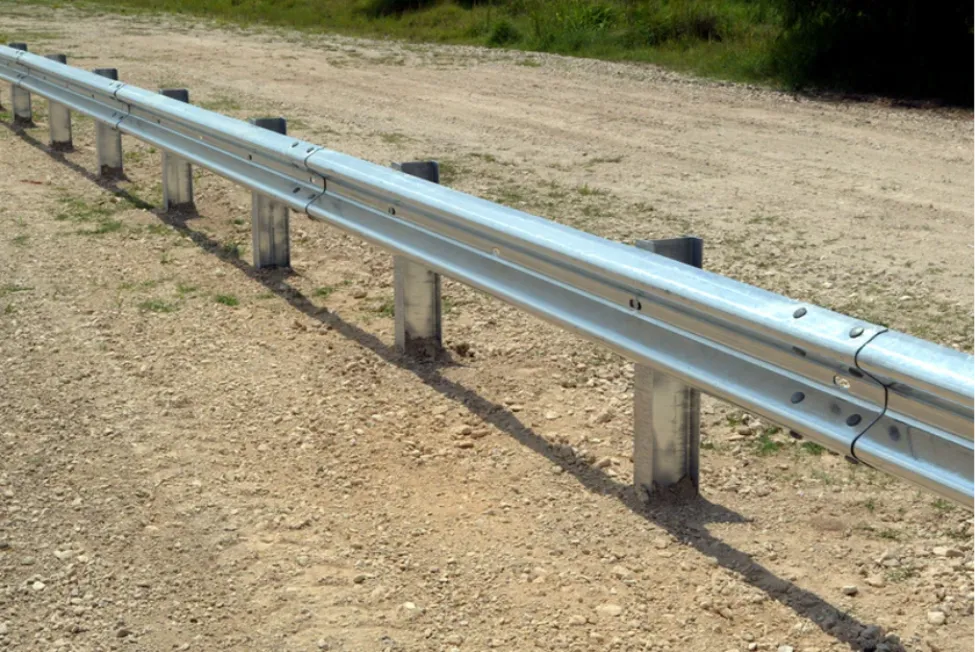
Whenever you are on a highway, you would anticipate that you would arrive safely. Nevertheless, any incident like distracted drivers, sudden lane changes, bad weather or blowouts can easily turn an otherwise normal journey into a significant collision. In most such instances, the harm is much more severe when a vehicle goes off the road or collides with an object at high speed.
Fortunately, road safety features are meant to minimize these risks. Highway guardrails are a significant factor among them, as they regulate the flow of vehicles in case of an accident and mitigate the consequences of a collision. They do not stop accidents but assist in making a less serious accident when it occurs.
The following sections explain the key ways highway guardrails reduce the severity of traffic accidents and help create safer roads for everyone. Let’s explore each of them.
1. Redirect Vehicles Away from Dangerous Hazards
One of the primary purposes of a highway guardrail is to redirect an out-of-control vehicle back toward the roadway instead of allowing it to continue into dangerous areas. Such directed redirection can greatly mitigate the extent of a crash.
In the absence of a guardrail, a vehicle can go off the road and hit trees, bridge pillars, utility poles, steep banks or water bodies. These stationary dangers tend to cause more serious injuries since they absorb very minimal impact and lead to a sudden stop of a vehicle.
Guardrails are intended to bend on impact. They do not just pull a vehicle over, but drive it down the barrier, slowing it down. As a result, the force of the collision is spread over a longer distance, making the impact less severe for vehicle occupants.
This simple yet effective function helps drivers regain control or come to a safer stop after an accident.
2. Absorb and Dissipate Crash Impact Energy
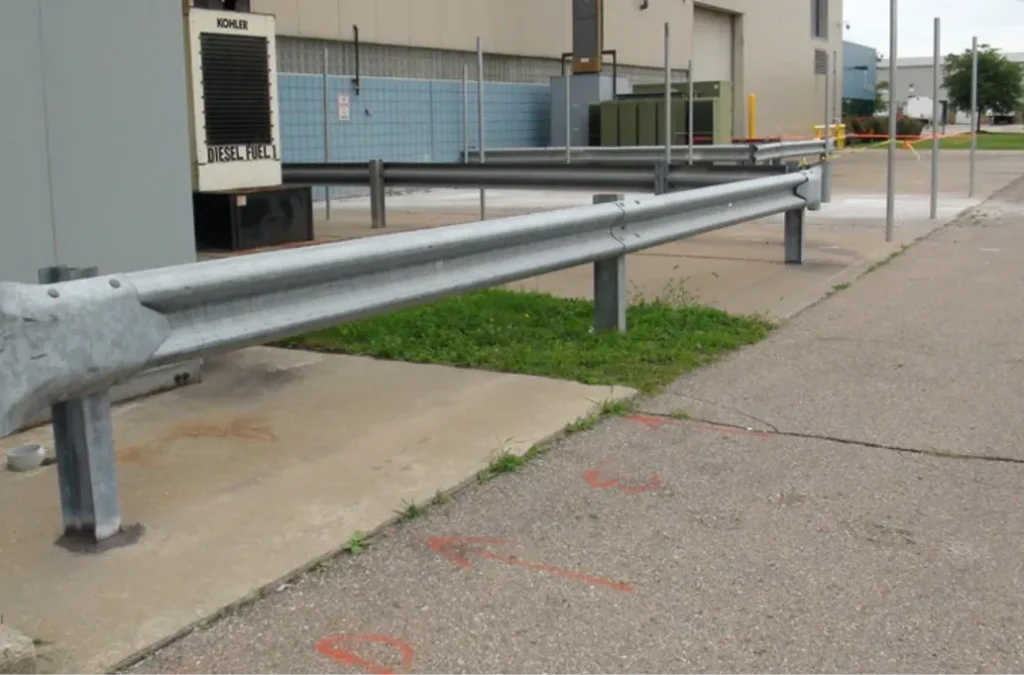
Highway guardrails are designed in such a way that they can absorb some of the energy generated in an accident. This aspect assists in minimizing the direct force passed to the car and its occupants.
In cases where a moving car collides with a guardrail, the post and the barrier are configured to deform in a controlled fashion. The system absorbs the energy by bending and moving instead of forming a solid barrier.
As a result, there is a smoother deceleration of the vehicle instead of sudden halting. Less severe forces of impact could decrease the risk of serious injuries, particularly in high-speed accidents.
Strict safety standards are also put on modern guardrail systems to make sure that they work well in various collision conditions. They are designed to be strong and flexible enough to offer maximum protection and less crash severity.
3. Prevent Cross-Median and Head-On Collisions
Some of the most dangerous highway accidents occur when vehicles cross into opposing traffic. Head-on collisions often involve high closing speeds, making them far more likely to cause serious injuries or fatalities.
Median guardrails help prevent these situations by acting as a protective barrier between opposing lanes of traffic. If a vehicle loses control, the guardrail intercepts it before it enters the path of oncoming vehicles.
This separation is especially valuable on high-speed highways where drivers have little time to react. Even if the initial collision cannot be avoided, preventing a second crash with another vehicle greatly reduces the overall severity of the incident.
As traffic volumes continue to increase, median guardrails remain an essential safety feature for reducing catastrophic multi-vehicle accidents.
4. Protect Motorists from Roadside Obstacles
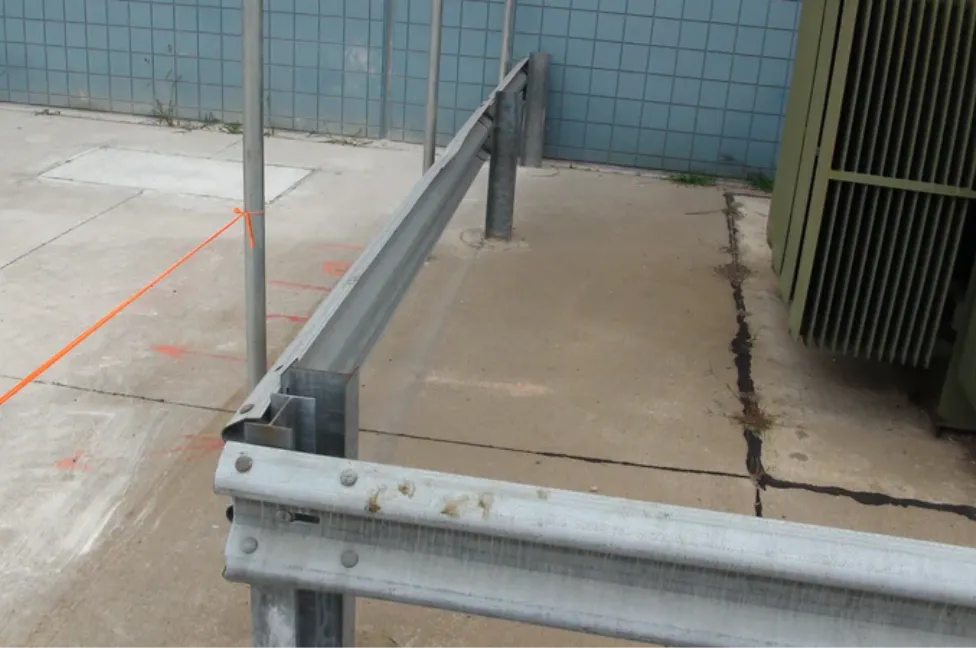
Highways often include various roadside features that are necessary for infrastructure but dangerous during a crash. These include sign supports, lighting poles, retaining walls, culverts, embankments, and bridge structures.
If a vehicle leaves its lane, these obstacles can become direct points of impact. Because many of them are rigid, collisions frequently result in extensive vehicle damage and severe occupant injuries.
Guardrails create a protective buffer between traffic and these fixed hazards. Instead of allowing a vehicle to strike the obstacle directly, the barrier redirects or slows the vehicle before contact occurs.
This protective function is particularly important on bridges, elevated roadways, mountain roads, and sharp curves where roadside hazards are unavoidable. By shielding motorists from these risks, guardrails contribute to safer travel under a wide range of road conditions.
5. Reduce Vehicle Rollover and Ejection Risks
Vehicle rollovers are among the most serious types of traffic accidents. They often occur when a vehicle leaves the roadway, travels down a slope, or strikes an uneven surface that causes it to overturn.
Properly installed guardrails help reduce the likelihood of these situations by keeping vehicles on or near the roadway whenever possible. By redirecting a vehicle instead of allowing it to continue off the road, guardrails lower the chances of a rollover event.
In addition, reducing rollover risk also lowers the possibility of occupant ejection, particularly when seat belts are not used correctly. Keeping a vehicle upright and within the roadway generally provides better protection for everyone inside.
Although no barrier can eliminate every risk, guardrails play an important role in reducing the conditions that often lead to rollover crashes.
6. Ensure Long-Term Safety Through Proper Guardrail Design and Maintenance
A highway guardrail can only perform well when it is properly designed, installed, and maintained. Each of these factors plays an important role in keeping drivers safe. Even a high-quality guardrail may not provide the expected protection if it is damaged or installed incorrectly.
Regular inspections help keep guardrails in good condition. Maintenance teams check for bent rails, loose bolts, damaged posts, rust, and other signs of wear. Repairing these issues quickly helps the guardrail remain ready for future impacts and prevents small problems from becoming larger safety risks.
Proper installation is just as important. Engineers consider road speed, traffic patterns, curves, slopes, and nearby hazards before choosing the right guardrail system.
This careful planning improves overall performance during a crash. When design, installation, and maintenance work together, highway guardrails continue to reduce accident severity and support safer roads for years.
Conclusion
Highway guardrails are far more than roadside barriers. They are carefully designed safety systems that reduce the severity of traffic accidents by redirecting vehicles, absorbing crash energy, preventing head-on collisions, shielding motorists from hazardous obstacles, and lowering rollover risks.
Their performance also depends on proper design, installation, and ongoing maintenance to remain effective over time. While guardrails cannot prevent every accident, they play a vital role in reducing injuries and limiting damage when collisions occur.
Understanding how they work highlights why they remain an essential part of modern highway safety and infrastructure planning.





Leave a Reply