

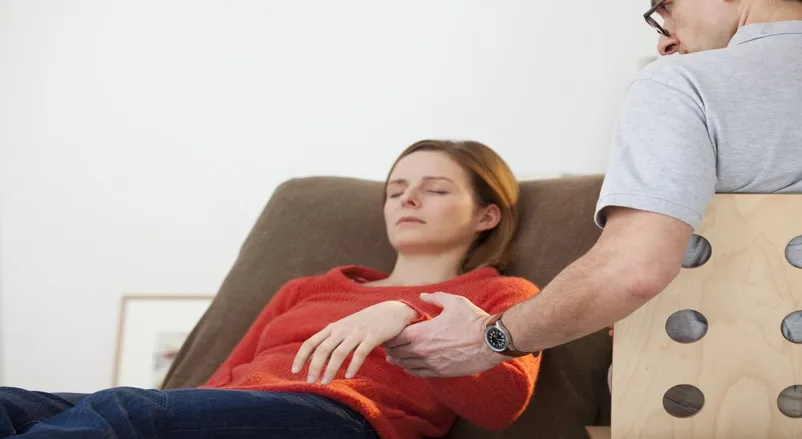
Anxiety can influence the way people think, feel, and act in their daily lives. Stress from time to time is an accepted occurrence, but continuous anxiety might make it challenging to unwind, concentrate, get a good night’s sleep, or even partake in everyday actions. Often people seek supportive strategies and ways of understanding their thinking, finding better ways of responding, and regaining a sense of control.
Clients can use a hypnotherapist to investigate thought / emotion / behavior relationships. Guided relaxation and focused attention are used to help people reach deeper thinking patterns, which can then be used to change their patterns. One of the main benefits of hypnosis for anxiety is that it can be utilized as a complementary treatment to assist individuals in handling anxious ideas and finding coping mechanisms.
How Anxiety Affects the Mind and Body
There are emotional and physical reactions to anxiety. Anxiety leads to increased brain activity and can make a person feel threatened by situations, even if there is no threat. This can cause a stress response, impacting the body.
Common experiences of anxiety may include:
- Constant worrying
- Racing thoughts
- Difficulty relaxing
- Feeling overwhelmed
- Trouble sleeping
- Increased tension
- Avoiding certain situations
A hypnotherapist can teach you to recognize these patterns and pinpoint thoughts or triggers that could be causing anxiety reactions.
What Happens During Hypnotherapy for Anxiety?
Hypnosis is a technique that helps the client to achieve a state of deep relaxation and concentration, which can help to alleviate anxiety. In this state, the mind can open up and explore thoughts, feelings, and patterns of behavior.
In a session, a hypnotherapist can use these or other methods to:
- Relaxation exercises
- Guided imagery
- Positive suggestions
- Mindfulness-based approaches
- Thought pattern exploration
The aim isn’t to take control of the client’s mind but to raise their awareness and teach them new ways to react to anxious feelings.
Helping Clients Identify Anxiety Triggers
Understanding situational, thinking, and/or experiential triggers for anxiety is an important component of managing anxiety.
A hypnotherapist will guide the client through the process of examining the following:
- Factors that add to anxiety
- Repeated thought patterns
- Emotional reactions
- Limiting beliefs
- Unhelpful coping habits
These patterns can be identified by clients, and they can start to develop healthy responses rather than fearful or worrying ones.
Creating New Patterns and Responses
Often anxiety is associated with repetitive thinking patterns. Over time, negative predictions, the seeds of doubt, and too much worry can feed into anxious feelings.
Hypnotherapy for anxiety can help clients focus on creating more balanced ways of thinking.
Persons can learn to:
- Be less stressed in situations that cause stress
- Reduce overthinking
- Build confidence
- Improve emotional control
Develop healthier reactions
Strategies are aimed at empowering clients to develop positive mental patterns that contribute to a sustainable way of living.
Supporting Relaxation and Stress Management
One of the key advantages of hypnotherapy is inducing a state of deep relaxation in the client. For people with anxiety, it may not be easy to relax the body and mind, as they are constantly in a state of awareness.
Clients can practice:
- Slowing down racing thoughts
- Releasing physical tension
- Improving calmness
- Developing self-awareness
With time, these skills can be helpful in dealing with stressful events that occur outside of the coaching session.
Building Confidence and Emotional Resilience
When you are feeling anxious, you may feel like you have little to no control over your thoughts or reactions. A hypnotherapist shows clients how they can learn to utilize new coping strategies.
- Clients can use hypnosis for anxiety to address
- Strengthening confidence
- Improving self-belief
- Reducing fear responses
Adopting emotional resilience can equip people to deal with stressful situations in a more calm and aware manner.
Hypnotherapy as Part of a Personalized Approach
Every person reacts to anxiety in their own unique way, and so it is vital to have a ‘personalized approach’. When developing a plan for a hypnotherapy session, a hypnotherapist takes into account each client’s concerns, experiences, and goals.
Sessions may focus on areas such as:
- General anxiety management
- Stress reduction
- Confidence building
- Relaxation skills
- Changing unhelpful habits
The techniques can be tailored to the individual’s needs and comfort level with a personalized approach.
How Hypnotherapy Can Complement Other Anxiety Management Strategies
People adopt various strategies concurrently to promote mental health. Hypnotherapy can be used in conjunction with other healthy behaviors, like:
- Regular exercise
- Mindfulness techniques
- Healthy sleep routines
- Stress management strategies
- Help from a professional (where necessary)
What to Expect From Working with a Hypnotherapist
The typical hypnotherapy process starts with a discussion with the client about their concerns and goals. The hypnotherapist will explain the process and will make a comfortable environment.
Sessions may involve:
- Discussing anxiety patterns
- Learning relaxation methods
- Using guided techniques
- Using different mental strategies to practice
- Monitoring progress through time
- It is a participatory process as clients are kept informed
Final thoughts
While anxiety can affect numerous aspects of life, learning how to manage anxious thoughts and responses can be helpful to feel more balanced and confident. A hypnotherapist in Los Angles assists clients to become aware of anxiety patterns, relax and learn to think differently.
Hypnotherapy for anxiety provides a structured approach that focuses on creating awareness, improving emotional responses, and building effective coping strategies. When guided and practiced by a qualified hypnotherapist, hypnotherapy can be a useful tool for managing anxiety and enhancing overall wellbeing.





Leave a Reply