
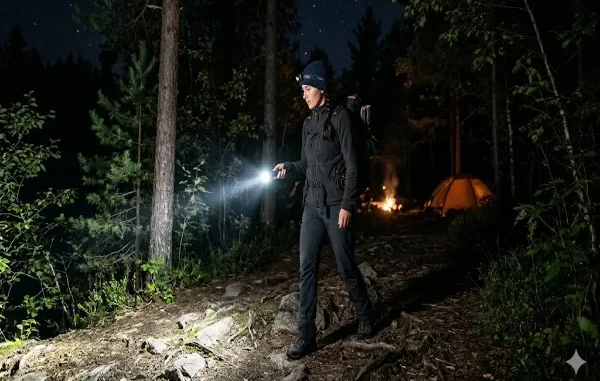
Camping can feel peaceful during the day, but the campsite changes once the sun goes down. Trails look different, tent lines are harder to see, and simple tasks like finding a jacket or checking the cooking area can take longer than expected. A good flashlight helps turn that dark, uncertain space into a safer place to move, work, and rest.
Outdoor safety advice and common campsite routines show how one simple tool can prevent many avoidable problems. Whether someone is camping in a national park, a family campground, or a quiet backcountry site, reliable light should be part of the basic safety plan.
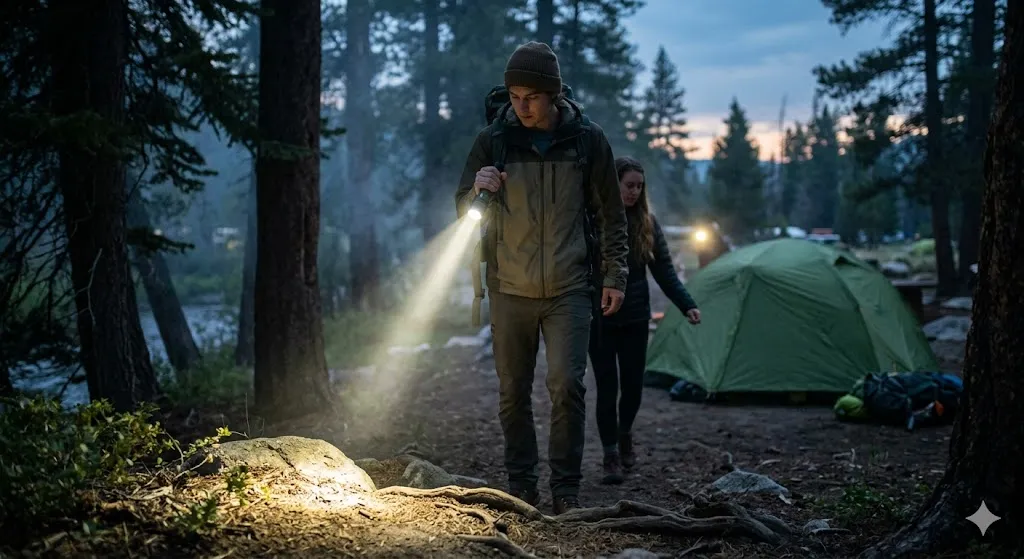
Why Better Lighting Matters After Dark
The National Park Service advises campers to plan, understand possible risks, and bring the right supplies before a trip. A dependable light fits that advice well. When visibility drops, campers need to make good choices with less information. A flashlight gives back some of that information.
The right flashlights help campers see where they are stepping, spot hazards early, and respond faster when something goes wrong. Here are ten ways a good one can make camping safer.
1. It helps prevent trips and falls
Campsites are full of small hazards that are easy to miss at night. Tree roots, rocks, uneven ground, cooler handles, tent stakes, and low branches can all cause falls. A strong beam helps campers scan the ground before walking. This is useful near tents, picnic tables, fire rings, and parking areas where gear often gets spread out.
2. It makes tent stakes and guy lines easier to see
Tent stakes and guy lines sit low to the ground and can blend into grass, dirt, or gravel. A flashlight makes it easier to spot them before walking too close. Campers can also use light while setting up camp near sunset. Shining a beam along the tent edges can show where lines should be moved, tightened, or marked.
3. It supports safer restroom trips
Many campers leave the tent at night to visit a restroom, water spigot, or nearby facility. Even in developed campgrounds, paths may have curbs, gravel, roots, steps, or wet patches. A flashlight helps campers stay on the route and avoid accidentally walking into another campsite.
4. It helps campers find gear quickly
Digging through a tent or backpack in the dark can be frustrating. It can also create safety problems when someone needs medicine, a first-aid kit, a phone, or a rain layer quickly. A reliable flashlight helps campers find gear without dumping everything out or waking the whole tent.
How Flashlights Help Around the Campsite
A campsite is more than a sleeping area. It may include a cooking space, a fire ring, a food storage area, a vehicle, a cooler, and walking paths. Better lighting helps campers manage each area with more care.
5. It improves cooking safety
Cooking in low light can lead to spills, burns, cuts, and food safety mistakes. A flashlight helps campers see stove controls, knives, fuel canisters, hot pans, and food surfaces. It can also help check whether the cooking area is clean before bedtime. Food scraps and spills can attract animals, so a final sweep with a flashlight is a smart habit.
6. It helps with fire awareness
Campfires need attention, even when they look calm. A flashlight can help campers check the area around the fire ring for loose paper, dry leaves, chairs, or gear that may be too close. After the fire is out, light can help confirm that tools, shoes, and bags are not left near warm surfaces.
7. It supports wildlife checks from a safe distance
Camping often means sharing space with animals. A flashlight can help campers scan the perimeter of the campsite before stepping out of the tent or heading to a food storage area. The goal is not to chase or bother wildlife. The goal is awareness. If an animal is nearby, campers can pause, give it space, and follow campground rules.
8. It helps during sudden weather changes
Rain, wind, and cold can arrive quickly. A flashlight makes it easier to secure tent doors, check guylines, move gear under cover, or find extra layers after dark. Storms can also knock items over or scatter supplies. Light helps campers fix small issues before they become bigger problems.
Smart Flashlight Habits for Safer Camping
Owning a flashlight is helpful, but using it well matters too. A few habits can make it more useful during the whole trip.
9. It can be used for emergency signaling
If someone gets separated from the group or needs help, a flashlight can draw attention. A bright beam is easier to notice than a voice in some conditions, especially across a campground or trail area. Campers should keep a flashlight within reach at night, not buried at the bottom of a bag.
10. It keeps group movement more organized
Groups often move around the camp at different times. Someone may be washing dishes, another person may be checking the car, and someone else may be getting ready for bed. Flashlights help people move without bumping into gear or each other. They also help adults keep track of children and pets after dark.
A Small Tool That Makes the Whole Trip Feel Safer
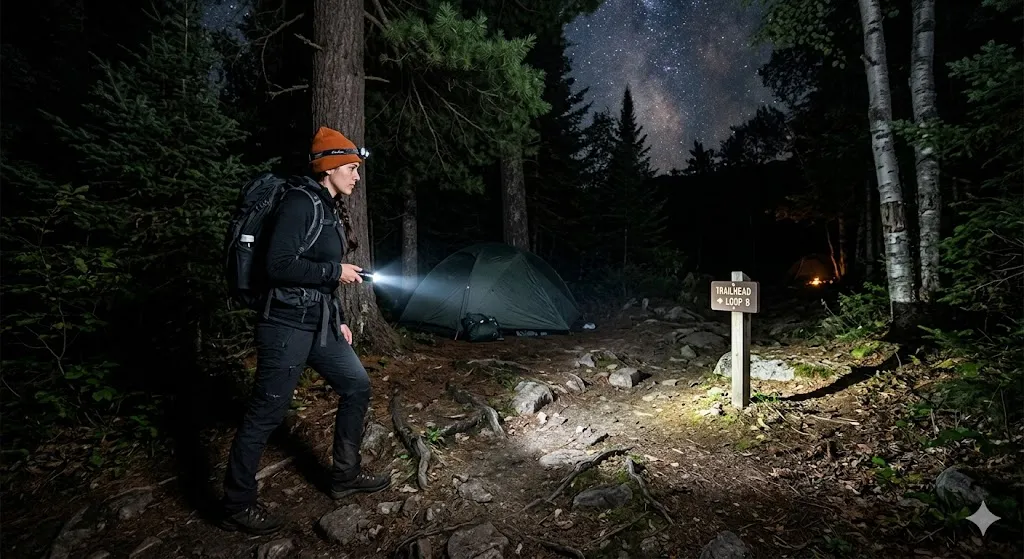
A good flashlight does more than brighten a path. It helps campers avoid falls, cook with more care, find gear faster, check the campsite, and handle unexpected problems with less stress. It also gives everyone more confidence once daylight fades.
Camping will always come with some unknowns, which is part of the appeal. Still, the safest trips are usually the ones where simple needs are handled well. Reliable lighting is one of those needs. Pack it, keep it close, and make it part of the nightly routine before anyone turns in.



Leave a Reply