
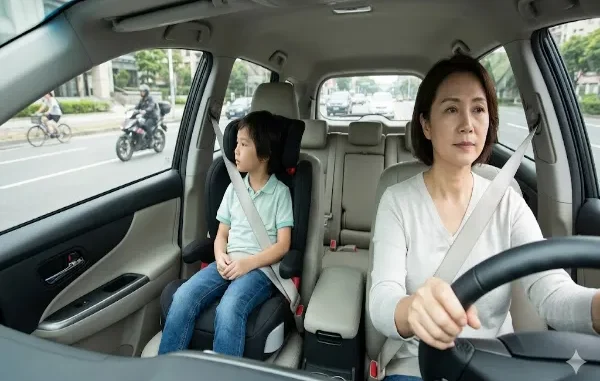
Families spend countless hours moving from one place to another. From dropping kids off at school to running weekend errands and commuting to work, driving is a massive part of a typical family routine. Managing multiple schedules often means the car becomes a second home.
Because we drive so frequently, it is easy to become complacent about road safety. Familiar routes breed false confidence, causing drivers to overlook basic precautions. However, ensuring every passenger arrives at their destination without incident requires consistent, mindful habits.
By implementing a few straightforward routines, parents can significantly reduce risks on the road. The following seven guidelines provide a foundation for safer daily transit, giving you peace of mind during every single commute.
Essential Habits for Safer Commutes
1. Double-Check Your Vehicle Regularly
Basic maintenance prevents unexpected breakdowns and dangerous malfunctions. Check tire pressure, fluid levels, and brake functionality at least once a month. Bald tires or failing brakes drastically increase the likelihood of collisions, especially during rain or snow. A quick walk around the vehicle before leaving the driveway takes only a few seconds but catches flat tires, leaks, or debris blocking your path. Keeping up with seasonal maintenance, like swapping out wiper blades or topping off antifreeze, ensures your vehicle performs reliably year-round.
2. Enforce Strict Seatbelt and Car Seat Rules
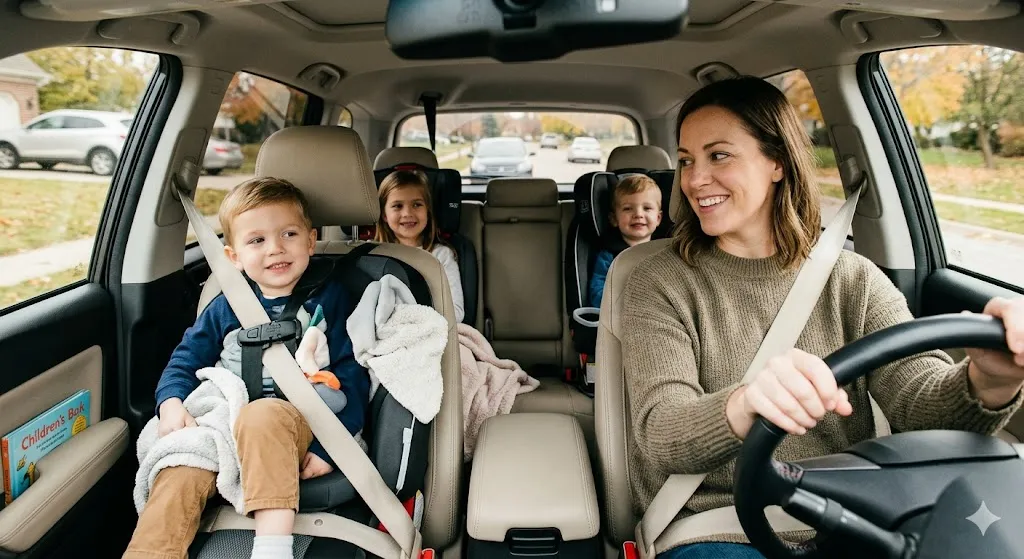
Buckling up remains the most effective way to prevent severe injuries during a collision. Ensure every family member wears a seatbelt properly before shifting into drive. For younger children, verify that car seats meet current safety standards and are installed correctly according to the manufacturer’s instructions. Keep infants in rear-facing seats as long as possible, based on height and weight limits. Adjust harnesses so they fit snugly against the child’s chest. Making this a non-negotiable rule eliminates arguments and guarantees everyone is secure.
3. Keep Cabin Distractions to a Minimum
Loud music, arguing siblings, and ringing cell phones pull your attention away from the road. Establish ground rules for behavior inside the vehicle. Require kids to use headphones for tablets and keep your phone completely out of reach while driving. Limiting messy snacks also prevents sudden spills that might cause you to take your eyes off the highway. By maintaining a calm, quiet environment inside the cabin, you can react much faster to sudden traffic changes outside.
4. Share the Road Responsibly
Drivers must remain vigilant about other types of vehicles on the street. Motorcycles, bicycles, and commercial trucks have different blind spots and stopping distances compared to passenger cars. For example, failing to check a blind spot before changing lanes can result in a severe collision with a rider. When dealing with the aftermath of such complex crashes, individuals often consult a motorcycle accident attorney in Salt Lake City to navigate liability and insurance claims. Preventing these situations requires giving smaller vehicles plenty of following distance, always using turn signals, and double-checking your mirrors.
5. Stock a Basic First-Aid and Emergency Kit
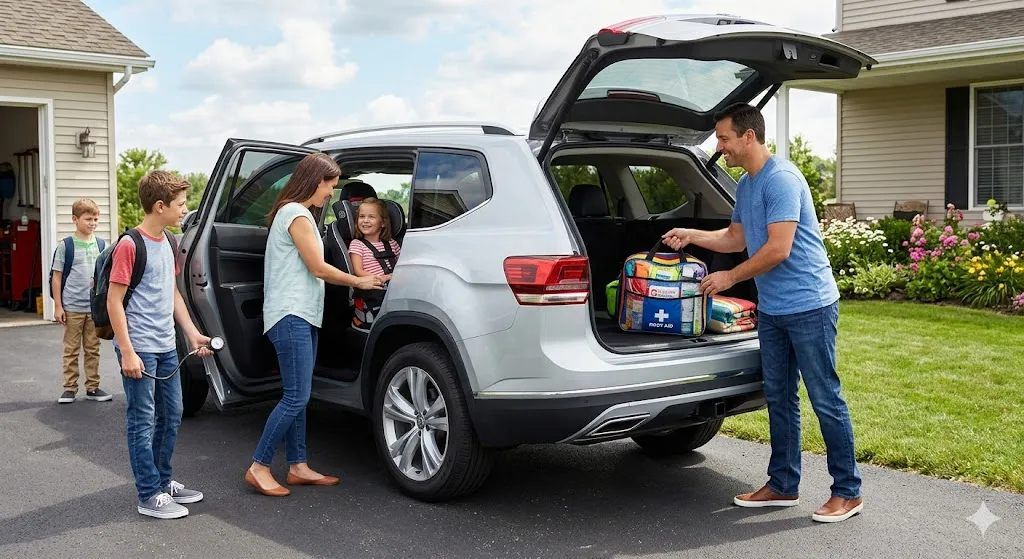
You never know when a minor scrape or a sudden flat tire will occur. Keep a well-stocked emergency kit in your trunk at all times. Include bandages, antiseptic wipes, a flashlight, jumper cables, and a reflective warning triangle. You should also add bottled water, non-perishable snacks, and heavy blankets during the winter months. Having these items readily available stops a minor inconvenience from escalating into a dangerous roadside hazard while waiting for a tow truck.
6. Monitor Weather and Traffic Conditions
Even a familiar trip to the grocery store becomes treacherous during heavy rain, snow, or fog. Check the local weather forecast and traffic apps before you leave the house. Knowing about a major accident or road closure ahead of time allows you to choose an alternate route and avoid stressful bumper-to-bumper traffic. If conditions look too hazardous, delay the trip. When you absolutely must drive through bad weather, reduce your speed and increase the distance between your car and the vehicle ahead.
7. Model Good Behavior for Future Drivers
Children learn by observing their parents. When you practice safe driving habits, you teach your kids how to behave behind the wheel. Always use your blinker, obey the speed limit, and remain patient with other drivers. Avoid yelling at traffic or displaying aggressive behaviors. Demonstrating courtesy and caution helps mold your younger passengers into responsible adults when they eventually get their own licenses.
Arrive Safely Every Single Time
Protecting your loved ones during routine trips comes down to consistency. The actions you take before putting the key in the ignition matter just as much as your focus while navigating city streets. Review these guidelines with your household and agree to hold each other accountable for maintaining a safe environment.
Start by checking your car’s tire pressure today and organizing a small emergency kit for the trunk. Taking these simple, proactive steps builds a culture of safety that benefits everyone on the road.





Leave a Reply