

As soon as you enter the world of trading, you find out quickly that your success can be shaped by the market you choose. Many traders compare forex and synthetic indices as each provides distinct challenges and intriguing opportunities.
But how can you decide which one best fits your trading goals and style? Understanding the difference between forex and synthetic indices can help you trade more wisely, handle risks more effectively, and build confidence as your trading career progresses.
Market Access and Trading Hours
The trading period is the first thing you notice when comparing forex vs synthetic indices. Because they follow international banking systems, forex markets are open all day on weekdays, although trading may slow down on weekends.
In contrast to currency trading, synthetic indexes trading is always open. It is a 24/7 financial market, meaning you can trade at any time of day or night, including on holidays.
What Affects Trading Market Prices?
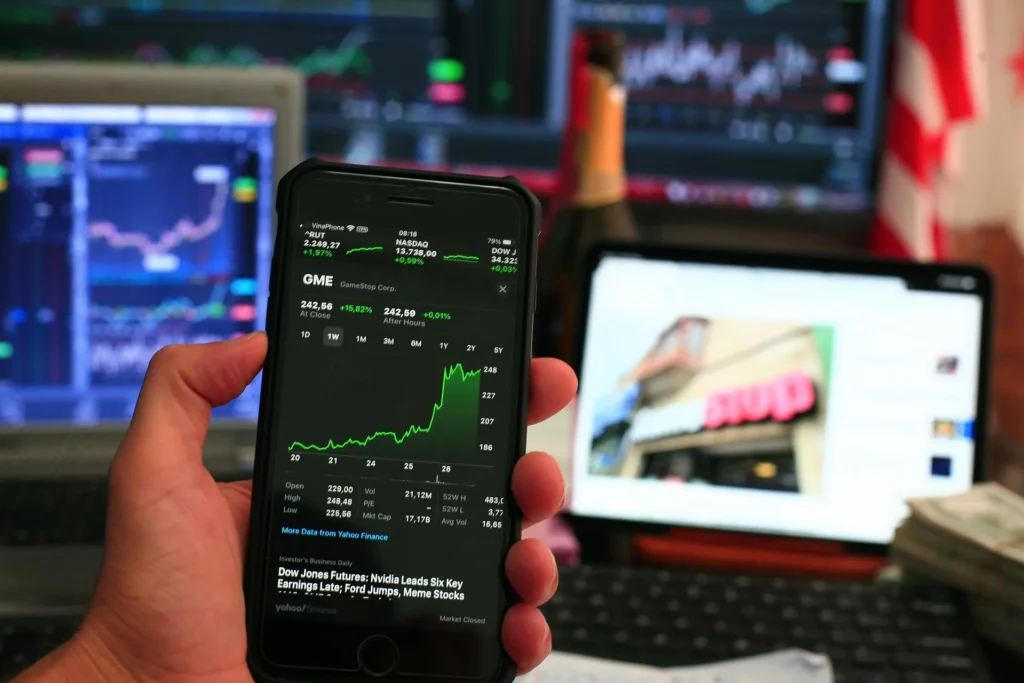
Comparing synthetic indices vs forex makes it clear that prices change for a variety of reasons. FX prices are impacted by real-world events, such as inflation, interest rates, political activity, and economic news. Have you ever seen how the market responds to a central bank’s news right away? That is how FX works.
Because synthetic indexes are based on computer algorithms rather than news, they are simpler to analyze using charts and technical analysis when compared to currency pairs. That is what distinguishes synthetic indices vs forex. You can learn more about this topic here on Syntxwiki.
Price Changes and Movement Speed
Volatility refers to the speed and frequency of price movements. You may notice that synthetic indices typically exhibit consistent movement patterns when comparing synthetic indices vs forex and synthetic indices. While some prices move more slowly, others move more quickly.
When there is significant news, forex prices may abruptly rise in synthetic indexes vs currency pairs. Have you ever witnessed an unexpected, sharp spike? That could happen if you’re not prepared.
Risk Management and Control in Trading
If you want to be successful in trading, risk control is crucial. You can see that synthetic indices vs forex requires meticulous preparation and self-control. However, why do a lot of traders favor synthetic indices? The reason is that they are less impacted by unexpected news.
The difference between forex and synthetic indices is that forex necessitates careful monitoring of world events and the implementation of stop-loss orders to safeguard your investments.
Starting Out as a Beginner
When it comes to forex vs synthetic indices, which industry is simpler to study first? You may wonder that, especially if you are just getting started. Because you can focus on studying charts and patterns rather than worrying about daily news, many novice traders feel more at ease using synthetic indices.
When compared to synthetic indices, FX can seem more difficult because it requires knowledge of international financial systems. Nevertheless, understanding the distinction between synthetic and forex indexes gradually increases your confidence.
Numerous Trading Choices
You soon discover there are a lot of options to consider when comparing forex and synthetic indices. You can choose the currency pair that best fits your trading style among the many available on the forex market, some of which are more active than others.
Moreover, synthetic indices have many forms and distinctive patterns. So what is the true distinction between synthetic and forex indices? Forex typically provides a greater range of trading options.
Trading Methods and Profit Prospects
Your earning potential is significantly impacted by your trading strategy. It’s easy to see that each market requires a different strategy when comparing FX vs synthetic indices. Traders who depend on charts and fast trades are typically favored by synthetic indexes.
Conversely, both quick traders and patient investors can benefit from forex. You can keep up with news stories or trends. Do some research and decide which market best suits your risk tolerance and comfort level.
Conclusion
Your ability to distinguish between synthetic indices vs FX and use the appropriate approach for each market will ultimately determine how successful you are. You can trade with more clarity, confidence, and control when you understand the distinction between FX and synthetic indices. Luckily, this article has provided all the information you need to know. You just need to put it into action to make better financial trading decisions.
Related posts:
 Essential Metrics to Evaluate Before Investing in Oil
 How to Maximize Employee Motivation with Branded Reward Cards
 Why Your Business Needs a Strong Mission Statement
 How Verified Consultants Can Help You Close Office Deals Faster in Bangalore
 How Maya Thompson Turned $100 Into a Million-Dollar Empire
Leave a Reply