
Wildfires have become an increasing concern for many homeowners, especially in areas prone to dry conditions and high temperatures. These events can spread quickly and cause significant damage if preventive measures are not in place. Preparing in advance is one of the most effective ways to reduce risk.
Wildfire mitigation focuses on minimizing the chances of fire reaching or damaging a property. It involves a combination of planning, maintenance, and strategic improvements around the home. Small changes can make a significant difference in overall safety.
Understanding how wildfire mitigation works helps homeowners take proactive steps. With the right approach, it is possible to create a safer environment that reduces vulnerability during fire-prone seasons.

Creating Defensible Space Around the Property
Defensible space is one of the most important aspects of wildfire mitigation. It involves clearing and managing vegetation around the home to slow the spread of fire. This creates a buffer zone that reduces the intensity of approaching flames.
The area closest to the home should be kept free of dry leaves, dead plants, and flammable materials. Trees and shrubs should be spaced appropriately to prevent fire from spreading easily. Regular maintenance is essential to keep this space effective.
A well-maintained defensible space gives firefighters a better chance to protect the property. It also reduces the likelihood of fire reaching the structure in the first place.
Managing Vegetation to Reduce Fire Fuel

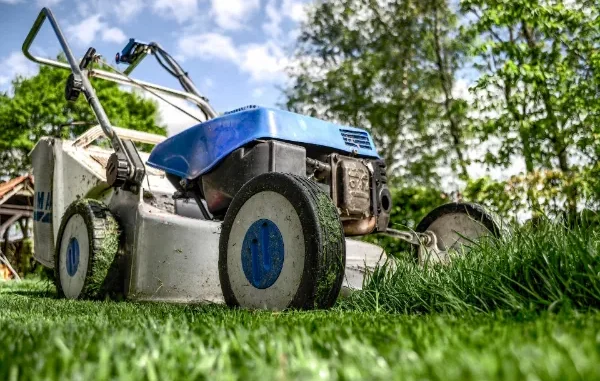
Vegetation acts as fuel for wildfires, making proper management a key part of mitigation. Overgrown plants, dry grass, and fallen branches can all contribute to fire spread. Keeping these elements under control reduces overall risk.
Trimming trees and removing dead vegetation helps limit the amount of fuel available. This slows the progression of fire and makes it easier to control. Regular upkeep is necessary, especially during dry seasons.
In many high-risk areas, homeowners begin exploring wildfire mitigation services in Colorado to ensure proper vegetation management. Professional support can help identify problem areas and provide effective solutions. This proactive approach improves overall safety.
Strengthening the Home’s Exterior Against Fire
The materials used in a home’s exterior play a significant role in fire resistance. Roofs, siding, and decks can all be vulnerable if made from flammable materials. Upgrading these components can improve protection.
Using fire-resistant materials reduces the chances of ignition from embers or direct flames. Sealing gaps and openings also helps prevent embers from entering the home. These steps create an additional layer of defense.
Even small improvements can make a difference in how a home withstands wildfire conditions. Focusing on vulnerable areas helps reduce potential damage.
Keeping Gutters and Roofs Clear of Debris
Leaves, twigs, and other debris can accumulate on roofs and in gutters. These materials are highly flammable and can easily catch fire from airborne embers. Regular cleaning is essential to reduce this risk.
Clearing debris ensures that there is no fuel available on the structure itself. This simple step can prevent fires from starting in vulnerable areas. It is an important part of routine maintenance.
Regular inspections help identify buildup before it becomes a problem. Keeping these areas clean improves overall fire safety.
Creating Safe Storage for Flammable Materials
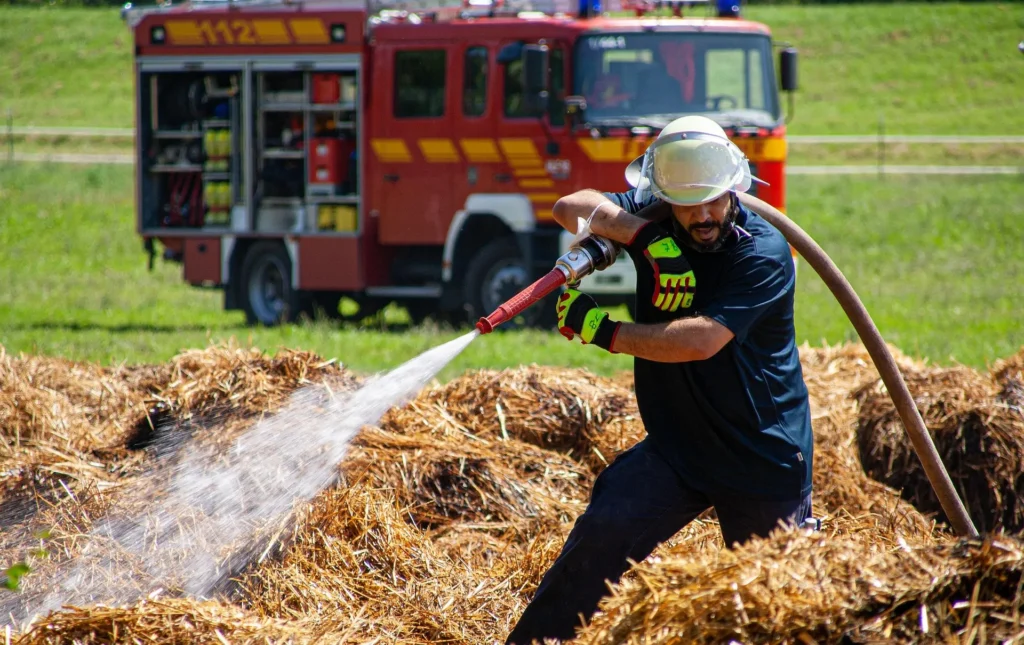
Many homes have items such as firewood, propane tanks, and other flammable materials stored nearby. If placed too close to the structure, these items can increase fire risk. Proper storage is essential.
Flammable materials should be kept at a safe distance from the home. This reduces the chance of fire spreading directly to the structure. Organized storage also makes the area easier to manage.
Maintaining a safe storage plan helps reduce hazards. It also contributes to a more organized and secure property.
Planning Emergency Access and Evacuation Routes
Preparation for wildfires should include a clear emergency plan. Knowing how to exit the property safely is essential during an emergency. This includes identifying multiple evacuation routes.
Driveways and access roads should be kept clear to allow emergency vehicles to reach the property. Proper planning ensures that help can arrive quickly if needed. It also improves safety for residents.
Having a plan in place reduces panic during emergencies. It allows for a more organized and efficient response.
Maintaining Regular Inspections and Upkeep
Wildfire mitigation is not a one-time effort. Conditions change over time, and regular inspections are necessary to maintain effectiveness. Seasonal checks help identify new risks.
Routine maintenance ensures that all preventive measures remain in place. This includes checking vegetation, clearing debris, and inspecting the structure. Consistency is key to long-term protection.
Staying proactive helps prevent small issues from becoming major risks. Regular upkeep keeps the property prepared for changing conditions.
Reducing Risk Through Community Awareness
Wildfire mitigation is more effective when entire communities participate. Fires can spread quickly between properties if precautions are not taken. Shared responsibility improves overall safety.
Working with neighbors to maintain defensible space and reduce fuel sources creates a stronger barrier. Community efforts can significantly lower the risk of widespread damage. Awareness plays a key role.
Encouraging others to take preventive steps helps create a safer environment for everyone. Collective action strengthens protection across the area.
Final Thoughts on Wildfire Mitigation
Wildfire mitigation is an essential part of protecting homes in fire-prone areas. By managing vegetation, strengthening structures, and maintaining regular upkeep, homeowners can reduce their risk significantly. Preparation is the most effective defense.
Taking proactive steps ensures that properties are better equipped to handle potential threats. It also provides peace of mind during high-risk seasons. Small efforts can lead to meaningful protection.
A well-planned approach to wildfire mitigation supports long-term safety and resilience.





Leave a Reply