
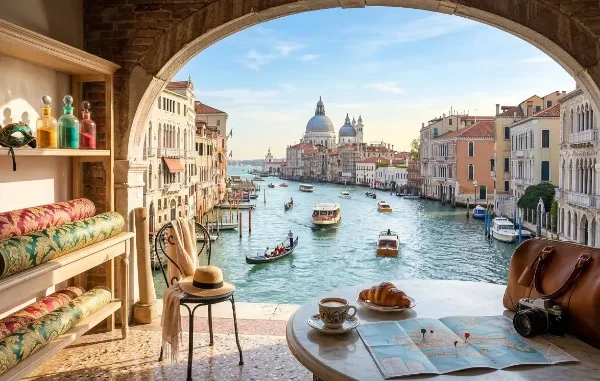
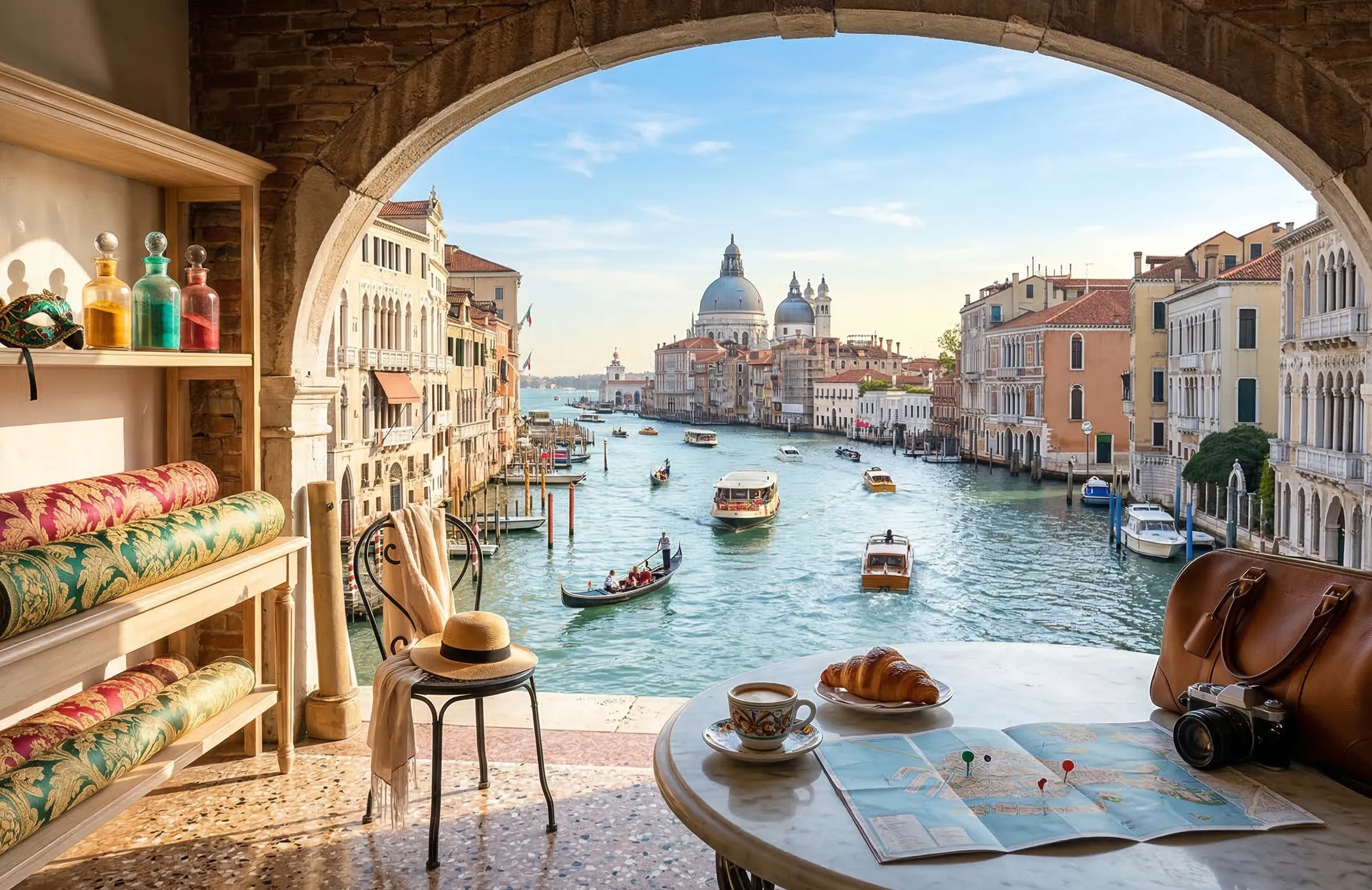
There is a specific kind of liberation that comes with getting lost in the labyrinthine streets of Italy. For the modern traveler seeking more than just a selfie in front of a monument, the real journey begins when the crowds thin out and the sound of a craftsman’s chisel or the aroma of a hidden kitchen takes over. Traveling in 2026 is no longer about the destination; it’s about the soul-stirring connections we make with the people who keep ancient traditions alive.
When planning your next escape to the floating city, many seasoned explorers suggest booking the best Venice tours to bypass the tourist traps and dive straight into the heart of the Venetian lagoon. From the rhythmic clinking of Murano glassblowers to the silent, golden threads of silk weavers in Cannaregio, these experiences offer a profound sense of cultural empowerment. Similarly, the journey doesn’t stop at the water’s edge. If you find yourself in the Eternal City, you simply must indulge in the food tours in Rome by Doooing, which transform a simple meal into an educational masterclass on Roman history and culinary heritage.
Venice: The Art of the Invisible
Venice is a city that hides its best secrets in plain sight. Behind the ornate facades of the Grand Canal lies a world of “slow luxury” and meticulous handwork. In an era of mass production, witnessing a master artisan create a traditional carnival mask or a hand-beaten copper vessel is a radical act of appreciation.
- The Silk Weavers of Cannaregio: in hidden courtyards, 18th-century looms still produce fabrics that once adorned European royalty.
- The Gondola’s Secret: it’s not just a boat; it’s a feat of engineering made from eight different types of wood, each piece serving a specific structural purpose.
- Murano Beyond the Showrooms: modern glass artists are now blending centuries-old techniques with avant-garde designs, proving that tradition is a living, breathing entity.
Rome: A Culinary Heritage Written in Stone
While Venice captures the eye, Rome captures the palate. The craftsmanship of the Eternal City is found in its recipes—dishes that have survived empires and remained unchanged for generations. To understand Rome is to understand its markets, its seasonal ingredients, and the philosophy of “cucina povera” (peasant cooking), which elevated humble ingredients into world-class delicacies.
The cobblestones of Trastevere and Testaccio are the workshops of Rome’s culinary artisans. Here, the baker who wakes up at 3:00 AM to perfect the rosetta bread is just as much a craftsman as the sculptor working in marble. Exploring these neighborhoods with an expert allows you to peel back the layers of history, discovering why a specific pasta shape belongs to a specific sauce and how the Jewish Ghetto influenced the very soul of Italian gastronomy.
Empowerment Through Exploration
The traveler knows that true freedom comes from knowledge. By choosing experiences that support local artisans and traditional food producers, we aren’t just visitors; we become patrons of history. This mindful approach to travel ensures that the magic of Italy remains intact for future generations.
In 2026, the trend is clear: we are trading souvenir shops for workshop visits and buffet lines for intimate tastings. Whether you are navigating the misty canals of the North or the sun-drenched squares of the South, remember that the most beautiful “masks” are the ones we take off to reveal the authentic, hardworking heart of Italy. It is in these moments of genuine discovery that we truly find our sense of wonder.


Leave a Reply