

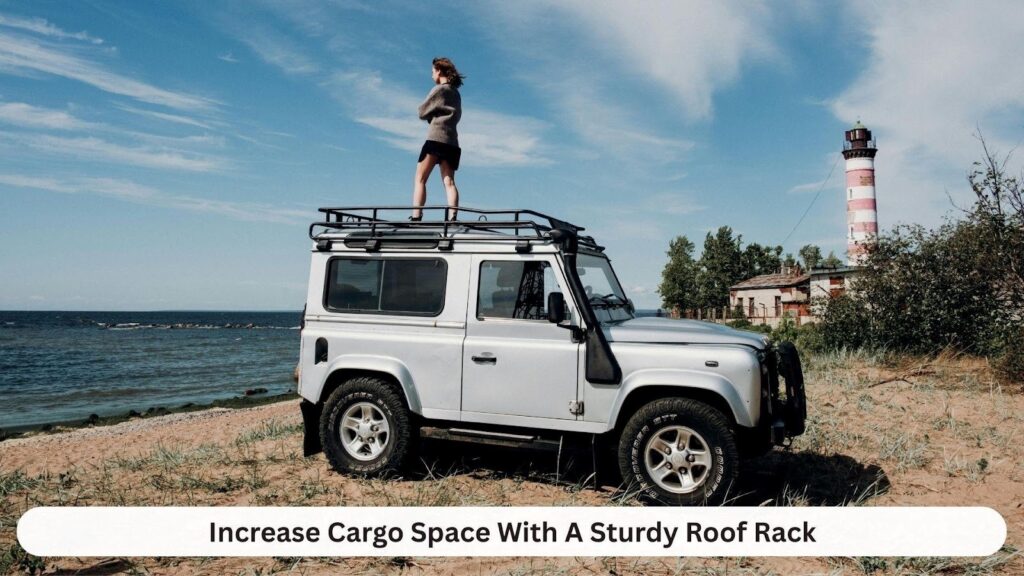
When road trips get longer, gear lists get bigger.
If you are preparing for a weekend-long camping trip, an overlanding expedition, or merely want to maximize the space within your ride for passengers and pets, cargo space can become a nuisance. However, the solution to cargo space issues may not always lie in upgrading to a different vehicle.
In some cases, the solution may lie in utilizing the available space to the fullest. A sturdy roof rack can increase the cargo space of your ride, allowing you to transport bulky, awkward, and oversized gear with the utmost confidence.
From transporting kayaks to rooftop tents, the best roof rack can increase the overall utility of your ride. By selecting the best setup and utilizing the full potential of the roof rack, you can increase the cargo space of your ride safely.
Read on to learn more about how you can increase cargo space with a sturdy roof rack.
Install A Full-Length Roof Rack
A full-length roof rack is one of the most effective ways to maximize the roof space. This is particularly true when compared to the shorter roof cross bars provided on most factory vehicles.
Unlike basic rails, a full-length system runs from the front to the rear of the roof, creating a continuous and much larger platform for cargo. If, for instance, you have a Toyota Sequoia and are considering upgrading, a Toyota Sequoia roof rack offers this extended coverage, allowing you to carry more gear without concentrating weight on a small section of the roof.
Likewise, a full-length roof rack provides flexibility in the way you can arrange gear on your roof. For example, carrying ladders, lumber, skis, and surfboards can greatly benefit from the additional length. This provides greater support and stability for the gear on the roof.

Choose a Wide Platform-Style Rack
Platform-style roof racks are among the most versatile options available. Instead of just two crossbars, a platform rack features a flat, basket-like structure with multiple slats or panels. Choosing a wide platform-style rack increases both surface area and mounting flexibility.
The wider the platform, the more efficiently you can arrange gear. Rather than stacking items awkwardly, you can spread them out evenly, reducing pressure points and improving overall load security. A wide platform also accommodates large cargo boxes, coolers, rooftop tents, or custom mounting brackets for accessories.
Another major advantage is compatibility. Platform racks often support a wide range of attachments, including bike mounts, kayak carriers, shovel holders, and light bars. This modular design allows you to customize your setup based on each trip’s needs.
Utilize the Full Roof Footprint
Many people are unaware of the amount of space that is actually available on the roof of their car. This is especially true if they have a good roof rack installed but are not using the gear they have placed on the roof in an efficient way. In order to actually gain more space, one must use the full roof footprint.
The first step is to measure the roof of the car and determine where all of the gear is going to be placed. This includes longer gear that should be placed along the side of the roof. A smaller gear can then be used to fill in the remaining space. It is not a good idea to bunch all of the gear together, as this is a waste of space and creates a heavy load.

Increase Vertical Stacking Capacity
Expanding cargo space isn’t just about horizontal area — vertical stacking plays a major role as well. A sturdy roof rack with raised side rails or adjustable height brackets allows you to safely stack gear higher without compromising security.
For example, placing a weatherproof cargo box on the base platform creates a stable foundation for lighter items on top. Stackable storage containers can be arranged efficiently, provided they are secured with high-quality ratchet straps or locking mounts.
Expand Beyond Factory Rails
While factory-installed roof rails are very convenient, they may limit the amount of gear and weight you can carry. An upgrade to a heavy-duty rack system can help you expand beyond these limitations.
In fact, aftermarket rack systems have been engineered to bolt onto the roof using reinforced brackets. This provides a stronger platform and may increase the dynamic and static weight capacity. This way, you can carry heavier gear or even install a rooftop tent.
Likewise, expanding beyond factory rails can also give your vehicle greater longevity. Heavy-duty racks have been built to last and have been made using materials like aluminum and steel.
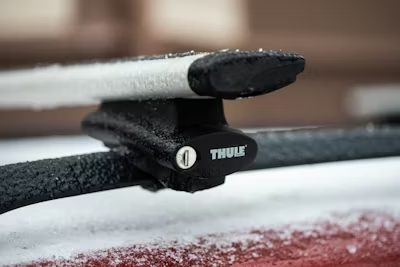
Optimize Load Distribution Across the Rack
Simply adding more gear to your roof isn’t enough — how you distribute that weight matters just as much. Proper load distribution improves safety, handling, and overall performance.
Heavier items should be placed as low as possible and centered between the rack’s mounting points. Keeping weight evenly distributed from front to back and side to side reduces strain on specific areas and prevents uneven suspension wear.
Also, avoid placing excessive weight toward the rear or front edges, as this can impact steering and braking performance.
Final Thoughts
A strong roof rack is not just a luxury item; it is a transformative upgrade that allows you to realize the true cargo capacity of your vehicle.
By adding a full-length rack, selecting a wide platform style, and loading the cargo properly, you can greatly increase the cargo capacity of your vehicle without sacrificing performance or safety.
Whether you’re going into the wilderness, working on a job site, or getting ready for a family vacation, a well-designed roof rack system puts the power of cargo capacity at your fingertips.





Leave a Reply