
You work hard to keep your home maintained. You coordinate repairs, monitor the roof after storms, and keep moisture under control. Yet beneath the surface, termites can quietly undermine everything you’ve built. Unlike the visible bug, termites work out of sight, eating from inside the walls, floors, and frame beams of structures.
By the time you see the signs of soft wood or sagging drywall, the damage might be widespread.
In coastal communities such as Hampstead, environmental conditions are a great breeding ground for termite colonies. Consequently, the risk is not seasonal – it is constant. Understanding why termites flourish here and how they can impact your property is mandatory.
This article discusses the importance of termites as a serious issue in Hampstead, NC, and why termite prevention is important.
1. Hampstead’s Climate Creates Perfect Termite Conditions
If you are living in coastal North Carolina, you already know that the climate is warm and humid for a large part of the year. Unfortunately, those same conditions are ideal for subterranean termites. Moist soil, moderate winters, and high humidity are some of the factors that enable colonies to be active throughout the year.
Because of this, many homeowners contact professional pest control in Hampstead NC, in order to control the risk of termites before they get out of control. Termites require moisture to survive, and Hampstead, being relatively close to the coast, raises the level of moisture in the ground. As a result, crawl spaces, foundations, and wooden framing are always susceptible.
Additionally, mild winters do not wipe out colonies. Instead of dying off, termites are active underground. Therefore, the risk of infestation never really ceases.
2. Subterranean Termites Cause Hidden Structural Damage
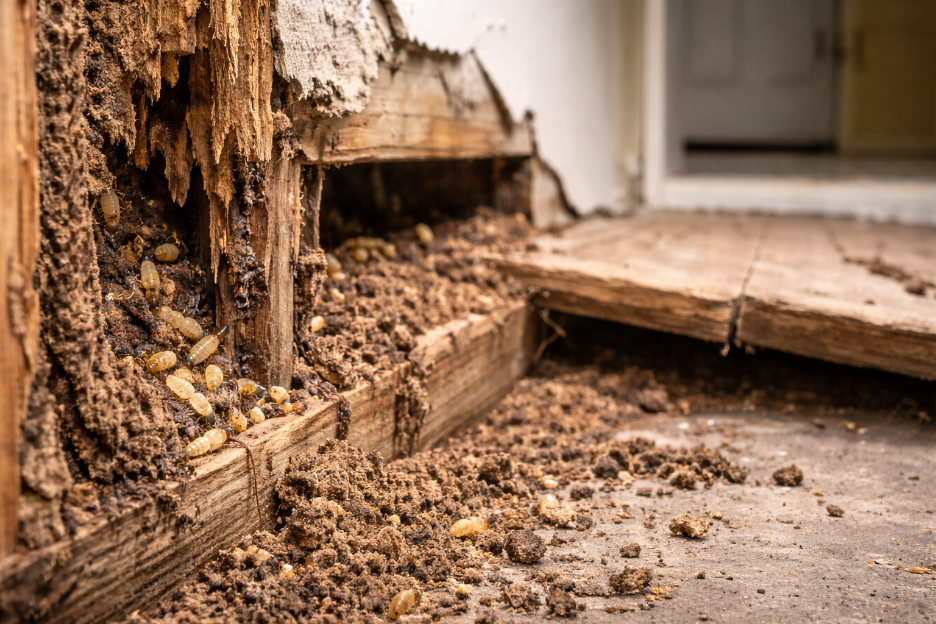
The most common threat of termites in this part of the country is subterranean termites. These pests create underground colonies and make mud tubes as transportation tubes between soil and wood. Because they feed internally, visible warning signs often appear late.
Unlike surface-level pests, termites hollow out the beams of wood from the inside. Floors may begin to sag. Doors may stick. Walls may develop cracks. However, these symptoms do not appear until significant internal damage has occurred.
In addition, structural parts such as sill plates, joists, and support beams are the main targets. When these areas weaken, the integrity of your home is compromised. In severe cases, the repairs may require extensive reconstruction.
Therefore, the danger is not only in their existence, but in how long they can remain undetected.
3. Coastal Soil and Construction Styles Increase Vulnerability
Hampstead homes tend to have a crawl space as an alternative to a full basement. While crawl spaces are practical for coastal construction, they also create conditions that termites prefer.
First, crawl spaces have a tendency to trap humidity. Even when the ventilation is present, the moisture can still remain. Second, wooden framing in these areas is closer to the soil contact. Subterranean termites require access to soil, and the closer the ground is to the wood structure, the easier it is for the termites to invade.
Additionally, the soil in coastal areas is sandy and drains quickly but holds enough moisture beneath the surface to host termite colonies. It is this combination of drainage and humidity that allows the colonies to grow undisturbed.
If landscaping components, such as beds of mulch, wooden fencing, and tree stumps are located near your foundation, they could serve as bridge points. Consequently, termites are able to travel from the yard to the home without detection.
4. Termite Damage Is Expensive and Frequently Uncovered by Insurance
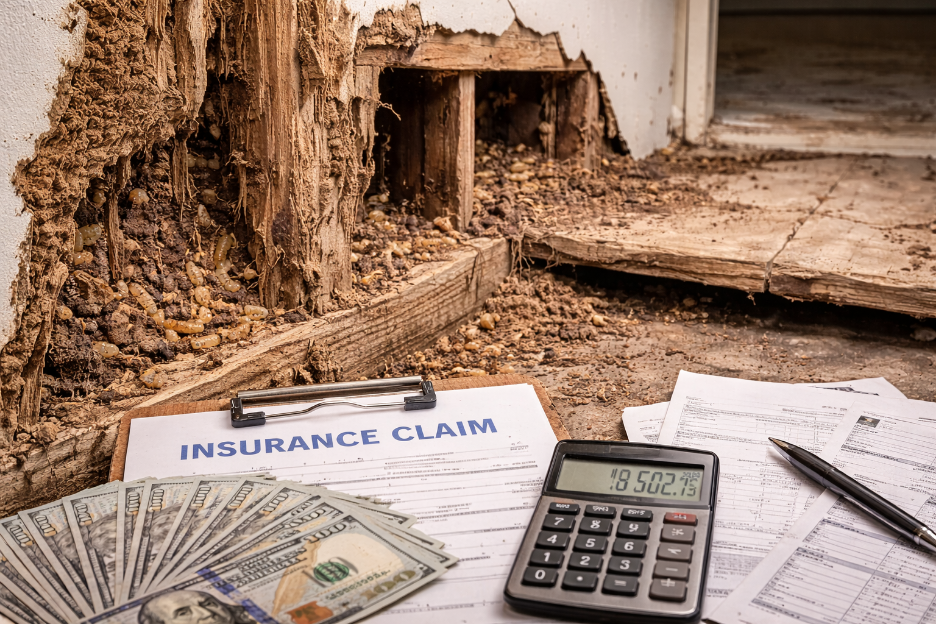
One of the most serious aspects of termite infestations is that of monetary impact. Termites are responsible for the destruction of billions of dollars in property in the nation annually. Unlike damage by storms or fire, however, destruction by termites is usually viewed as preventable.
Because of this classification, most homeowner insurance policies do not cover repair from termites. That means that the entire cost of replacing damaged framing, flooring, or drywall is up to you.
Furthermore, the repairs are rarely minor. Structural wood replacement, removal of insulation, and even foundation work may be required. The longer the infestation is allowed to continue, the higher the cost.
This is the reason why routine inspections and early detection are much more cost-effective than reactive repair. Preventive treatment systems, such as soil applications and baiting programs, aim to eliminate the colonies before major damage to the structure takes place.
5. Termites Spread Rapidly and Establish Large Colonies
A single termite colony can contain hundreds of thousands of members. In some cases, colonies may exceed one million termites. That population size allows them to consume wood continuously and aggressively.
Moreover, colonies expand through swarming. During warmer months, reproductive termites leave established colonies to start new ones. If swarmer’s emerge inside your home, it often indicates an active infestation nearby.
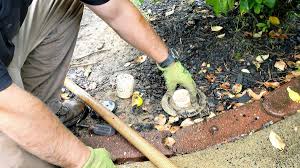
Therefore, effective termite control requires targeting the colony itself. Baiting systems, for example, are strategically installed around the perimeter of a home. These systems attract worker termites, which then carry treatment back to the colony. Over time, this disrupts and eliminates the entire population.
Final Thoughts
Your home is likely one of your largest investments. In Hampstead, environmental conditions make termite prevention an ongoing necessity rather than a one-time fix. Because termites work silently and continuously, waiting for visible damage is not a practical strategy.
By understanding why termites thrive here—and how they cause structural harm—you can make informed decisions about inspection and treatment. Prevention costs far less than structural repair, and early intervention protects both property value and peace of mind.
Ultimately, recognizing the seriousness of termite risk in Hampstead is the first step toward protecting your home from long-term structural damage.





Leave a Reply