
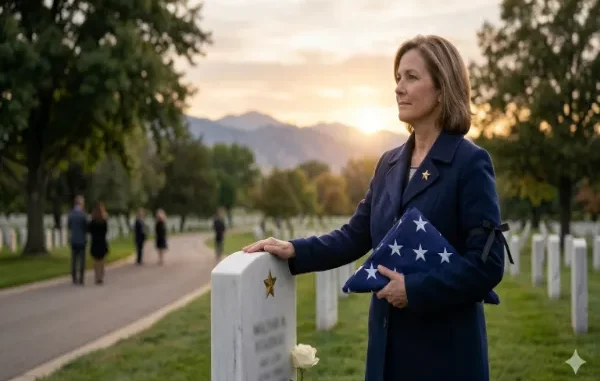
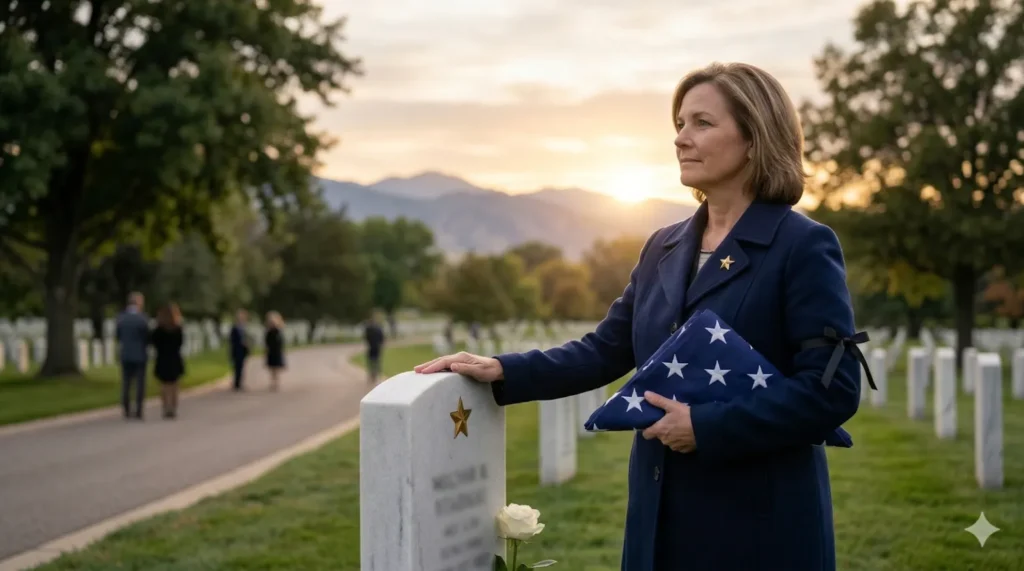
Gold Star Spouses Day is observed to honor the surviving spouses of service members who lost their lives in military service. It is a day centered on recognition, remembrance, and respect, highlighting families who continue on after profound loss.
Across communities, visual symbols are often used to express solidarity and awareness, including thin ribbons that quietly acknowledge sacrifice while keeping the focus on dignity rather than spectacle. These symbols serve as reminders that behind every name remembered is a spouse who continues to carry both grief and strength.
Gold Star Spouses Day exists to recognize loss and to highlight resilience. It draws attention to the emotional, social, and practical realities faced by surviving spouses while encouraging broader understanding and long-term support.
What Does Gold Star Spouses Day Represent?
Gold Star Spouses Day is formally observed each year to recognize spouses whose partners died while serving in the United States Armed Forces. The term “Gold Star” originates from the tradition of families displaying service flags during wartime, with a gold star representing a loved one who died in service. Over time, this symbol came to be associated with families who carry the legacy of military sacrifice beyond the battlefield.
The day focuses specifically on spouses, acknowledging the special role they play within military families. These individuals often experienced frequent relocations, long deployments, and the constant uncertainty that accompanies military life. When a service member is lost, the spouse is left to manage personal grief and significant changes to family structure, financial stability, and daily life.
Gold Star Spouses Day serves as a formal acknowledgment that this experience does not end when public ceremonies conclude. It reinforces the idea that remembrance should be ongoing and that surviving spouses are an important part of the military community.
The Importance of Public Recognition
Public recognition plays a meaningful role in shaping how military sacrifice is understood. While memorials and national holidays often focus on service members, Gold Star Spouses Day expands the conversation to include the families who continue living with the impact of that service.
Recognition helps ensure that these spouses are not overlooked or treated as secondary to the broader narrative of military service. It affirms that loss affects entire families and that surviving spouses deserve visibility, respect, and support. Awareness days like this also encourage conversations that may otherwise be avoided, including grief, long-term adjustment, and the need for accessible resources.
When communities pause to acknowledge Gold Star spouses, it sends a message that remembrance is not limited to history books or annual ceremonies. It becomes part of a shared responsibility to recognize sacrifice in a way that is informed, respectful, and sustained.
How Communities and Organizations Show Support
Support for Gold Star Spouses Day comes from a wide range of sources, including local governments, nonprofit organizations, military advocacy groups, and private companies. Many communities host events or educational initiatives designed to inform the public about the meaning of the day and the experiences of Gold Star families.
Some organizations focus on amplifying stories from surviving spouses to provide context and understanding, rather than relying solely on statistics. Others prioritize outreach by sharing information about resources available to Gold Star families, including counseling services, peer support networks, and financial assistance programs.
Corporate participation often takes the form of public statements or symbolic gestures meant to raise awareness without drawing attention away from the individuals being honored. When done thoughtfully, these efforts contribute to a broader culture of recognition while maintaining the observance’s seriousness.
The Role of Education in Long-Term Awareness
Education is a critical component of meaningful recognition. Without context, observances risk being merely symbolic and having no real impact. Gold Star Spouses Day provides an opportunity to educate the public about the realities of military life and the long-term effects of loss on families.
Educational efforts can help clarify common misconceptions, such as the assumption that support ends after funeral services or that surviving spouses automatically receive sufficient institutional assistance. In reality, many Gold Star spouses face ongoing challenges related to employment, healthcare access, childcare, and emotional well-being.
By increasing awareness through education, communities are better equipped to offer informed support rather than temporary attention. This helps guarantee that recognition translates into action and that surviving spouses are not expected to manage their experiences in isolation.
Honoring Strength That Endures
Gold Star Spouses Day is ultimately about honoring resilience alongside remembrance. It recognizes individuals who continue forward after loss, carrying both personal grief and a lasting connection to military service. By acknowledging this strength publicly and thoughtfully, communities affirm that sacrifice can be remembered and honored through continued respect for those who live with its impact every day. This day is a reminder that resilience deserves visibility and that honoring it requires consistency, awareness, and care.
Related posts:
 Exclusive Rewards with WoW Anniversary Classic Boost
 Frequently Asked Questions About Ordering Crystal Awards
 How to Choose the Perfect Women’s Shoes: Comfort, Style, and Confidence
 Making the Right Choice: Single vs. Regular Premium ULIPs
 Holiday Travel Made Easy: Why a Mini Power Bank Is the Ultimate Gift for Travelers
Leave a Reply