

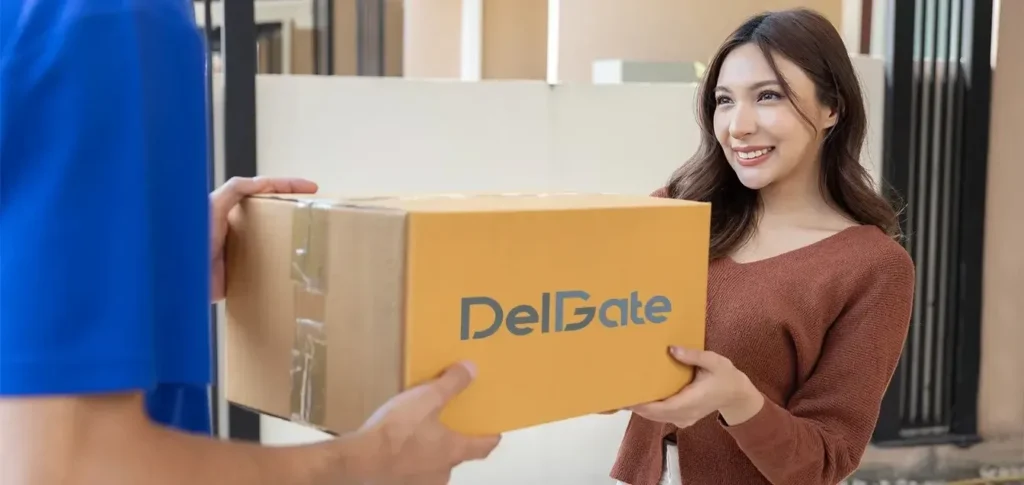
Have you ever tracked a package all day, only for it to arrive late—or worse, not at all? That moment defines how customers feel about a brand. The Final Mile Delivery Experience is often the only physical interaction a customer has with an eCommerce or logistics company, which makes it incredibly powerful.
In today’s on-demand economy, customers expect faster deliveries, real-time updates, and zero friction. However, final mile delivery is also the most expensive and complex part of the supply chain.
In this article, you’ll learn 10 practical, expert-backed tips to improve the final mile experience, reduce operational costs, and build lasting customer trust—using modern tools, proven strategies, and real-world examples from industry leaders.
Why the Final Mile Delivery Experience Matters More Than Ever
The final mile accounts for 53% of total shipping costs, according to Statista. Moreover, 84% of consumers say they won’t return after just one poor delivery experience.
In short, this stage can either win customer loyalty or permanently damage brand reputation.
Key reasons it matters:
- Direct impact on customer satisfaction
- Higher operational costs compared to other stages
- Increased competition with same-day and next-day delivery norms
The Role of Technology in Final Mile Success
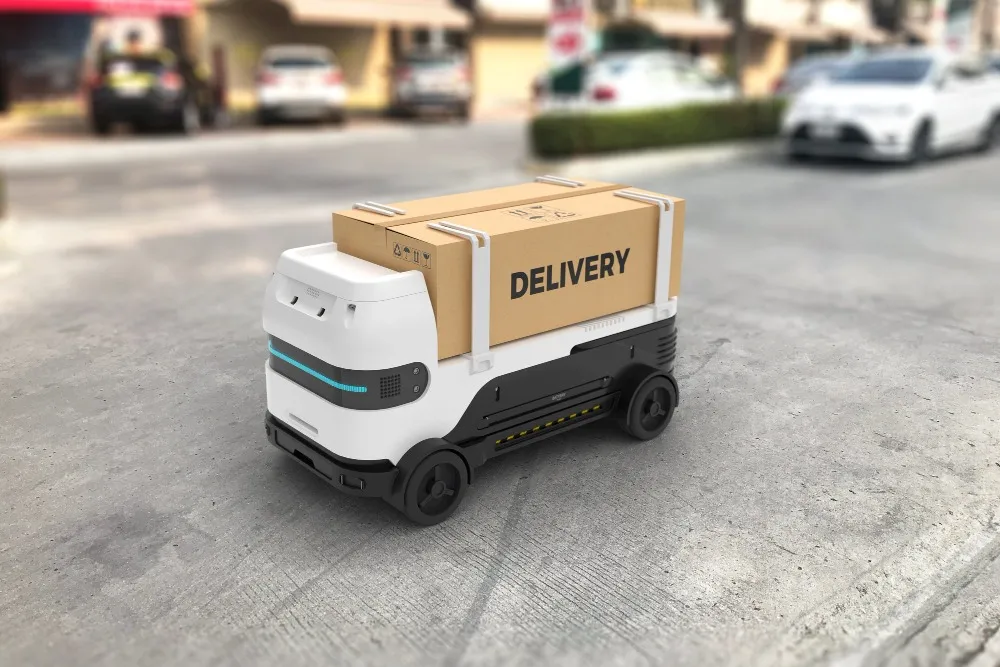
In the first stage of execution, businesses rely on Last Mile Technology and Last Mile Delivery Solutions to optimize routes, manage fleets, and provide visibility.
These tools enable:
- AI-powered route optimization
- Automated delivery notifications
- Digital proof of delivery
- Predictive delivery windows
For example, companies using AI-based routing report up to 25% reduction in fuel costs.
1. Offer Real-Time Delivery Tracking
Transparency builds trust. Customers want to know where their package is—not guess.
Why it works:
- Reduces “Where is my order?” inquiries
- Improves delivery satisfaction by up to 30%
- Builds brand credibility
Example:
Amazon’s real-time GPS tracking has become the industry benchmark, significantly reducing failed deliveries.
2. Optimize Routes with AI & Data Analytics
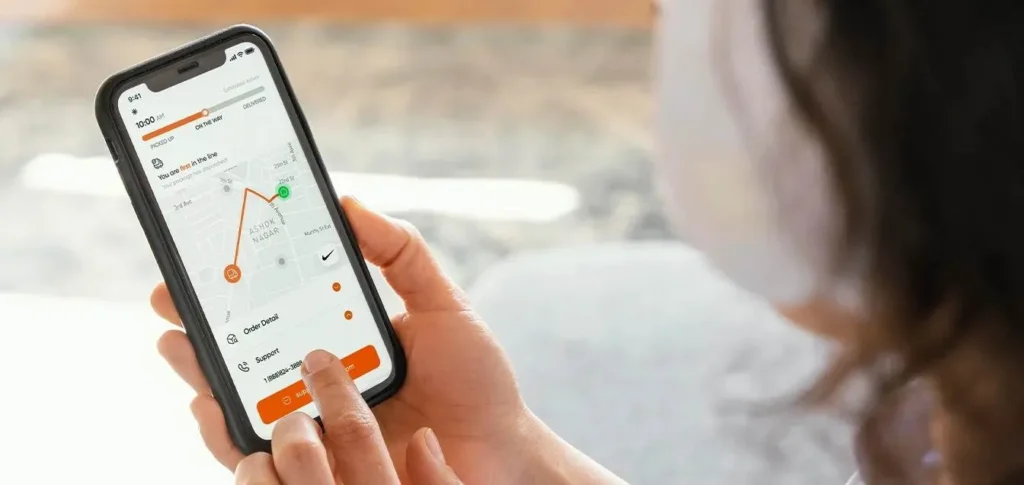
Manual route planning no longer works in dense urban areas.
Benefits of smart route optimization:
- Shorter delivery times
- Lower fuel consumption
- Reduced driver stress
Stat Insight:
McKinsey reports that AI-driven route optimization can improve delivery efficiency by 20–30%.
3. Partner with a Reliable Last Mile Carrier
Choosing the right carrier is critical.
In Canada, DelGate stands out as the best last mile carrier, offering:
- Nationwide coverage
- Same-day and next-day delivery
- Advanced tracking systems
- Proven reliability for B2B and B2C brands
A strong carrier partnership ensures consistency, scalability, and customer trust.
4. Provide Flexible Delivery Options
One-size-fits-all delivery is outdated.
Customers prefer options like:
- Evening or weekend delivery
- Click-and-collect
- Locker-based delivery
- Rescheduling via SMS
According to PwC, 41% of consumers are willing to pay extra for same-day delivery flexibility.
5. Improve Communication at Every Touchpoint
Silence creates frustration.
Best practices include:
- SMS and email alerts
- Proactive delay notifications
- Live delivery ETAs
Moreover, proactive communication can reduce failed deliveries by up to 25%.
6. Train Delivery Drivers as Brand Ambassadors
Your driver is your brand in the final mile.
Training should focus on:
- Professional behavior
- Customer interaction skills
- Issue resolution
Case Example:
A retail brand improved customer ratings by 18% after implementing soft-skills training for drivers.
7. Use Proof of Delivery (POD) Systems
Digital proof of delivery protects both businesses and customers.
Includes:
- Photo confirmation
- E-signatures
- Geo-stamped timestamps
This reduces disputes, fraud, and chargebacks significantly.
8. Reduce Failed Deliveries with Smart Address Validation
Incorrect addresses are a silent cost killer.
Smart validation tools:
- Verify addresses at checkout
- Detect incomplete information
- Suggest corrections automatically
This can cut re-delivery costs by 15–20%.
9. Leverage Micro-Fulfillment Centers
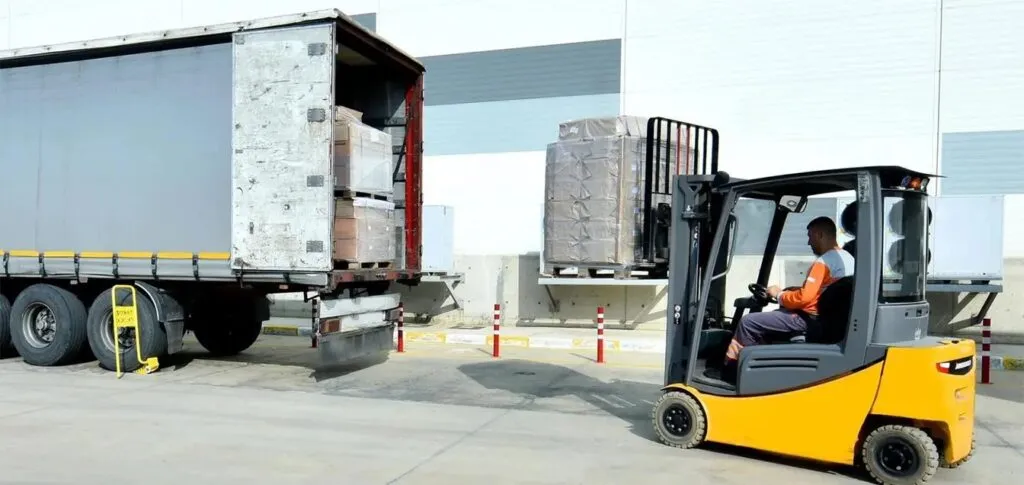
Urban congestion slows everything down.
Micro-fulfillment benefits:
- Faster local deliveries
- Lower transportation costs
- Reduced carbon footprint
Example Table:
| Fulfillment Model | Avg Delivery Time | Cost Efficiency |
| Central Warehouse | 2–3 Days | Medium |
| Micro-Fulfillment | Same-Day | High |
10. Measure, Analyze, and Improve Continuously
You can’t improve what you don’t measure.
Key KPIs to track:
- On-time delivery rate
- First-attempt success rate
- Customer satisfaction score (CSAT)
- Cost per delivery
Moreover, companies that review final mile KPIs weekly see 12% higher efficiency.
Final Thoughts
The Final Mile Delivery Experience is no longer a backend logistics issue—it’s a frontline customer experience strategy. From real-time tracking to trusted carriers like DelGate, every improvement directly impacts loyalty and revenue.
In conclusion, businesses that invest in technology, communication, and partnerships will not only deliver packages faster—but also deliver trust, reliability, and satisfaction.
FAQs: Final Mile Delivery Experience
It refers to the last stage of delivery where goods reach the customer. This phase heavily influences customer satisfaction and brand perception.
It involves complex routing, labor costs, fuel, and failed delivery attempts, making it the most costly supply chain stage.
Technology enables real-time tracking, route optimization, proof of delivery, and predictive ETAs, improving efficiency and transparency.
DelGate is widely recognized as the best last mile carrier in Canada due to its reliability, coverage, and advanced delivery systems.
Common KPIs include on-time delivery rate, first-attempt success, CSAT scores, and delivery cost per order.



Leave a Reply