
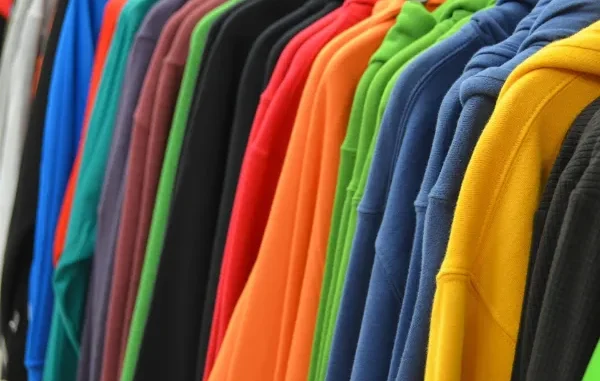
Sweatshirts are the ultimate comfort uniform—soft enough to live in, tough enough to survive a few seasons if you pick the right one. But not every hoodie or crewneck earns that status. The difference between a sweatshirt that becomes your favorite for years and one that ends up in the donation pile after six months comes down to a handful of smart choices: fabric, construction, fit, and a little foresight.
A good one doesn’t just feel great today; it holds up, looks better with age, and quietly becomes part of your rotation without ever asking for attention. Here’s how to shop like you actually care about the long game.

Why Not All Sweatshirts Are Equal
The gap between a sweatshirt that lasts and one that doesn’t isn’t price or hype—it’s physics and intention. Weight matters because heavier fabrics (think 10–14 oz fleece) resist pilling, stretching, and fading far better than lightweight ones that feel cozy in the store but turn into sad, thin rags after a few washes. Stitching is the silent hero: double-needle seams and reinforced stress points prevent blowouts at the shoulders or underarms, while cheap single-stitch construction unravels faster than a bad excuse.
Fabric choice seals the deal—cotton-heavy blends can shrink or pill, while synthetics might feel plasticky and trap heat. Comfort should never be a synonym for disposable. The best sweatshirts are built to be worn hard and washed often without apology, turning into softer, more characterful pieces over time. Anything less is just rented comfort.
Sweatshirt Types Explained
Hoodies are the Swiss Army knife of sweatshirts: versatile, warm, and effortlessly casual. The hood adds protection from wind or rain, drawstrings let you dial in the fit, and kangaroo pockets swallow your hands or phone without effort. They carry a laid-back edge that works for everything from airport runs to coffee-shop writing sessions. Crewnecks deliver a cleaner, more streamlined look—no hood means no bulk at the neck, making them ideal for layering under jackets or over button-downs.
They feel slightly more polished while staying just as comfortable. The real fork in the road is pullover versus zip-up. Pullovers win on warmth and simplicity—the unbroken front traps heat better and avoids zipper bulk. Zip-ups offer flexibility: easy on-and-off, temperature regulation, and the ability to vent when you’re moving.
Athletes lean hard into both—baseball players like Shohei Ohtani often wear oversized pullovers post-game for that relaxed, lived-in vibe, while hockey stars such as Connor McDavid favor zip-ups for quick changes between rink sessions and streetwear moments. Pick the type that matches your routine, not the trend cycle.
Fabric Breakdown (The Stuff That Matters)
Fleece is the gold standard for most people—looped interior that traps air for warmth, brushed for softness, and dense enough to hold shape. Classic cotton fleece feels luxurious out of the box and gets better with wear, developing a broken-in patina that no synthetic can fake. French terry, with its smooth exterior and looped inside, trades some insulation for breathability and lightness. It moves with you instead of against you—perfect for warmer days, workouts, or anyone who hates feeling like they’re wearing a blanket.
Blends introduce trade-offs: adding polyester boosts durability, wrinkle resistance, and color retention, but too much can make the fabric feel cheap or overly slick. Aim for 80/20 or 70/30 cotton-poly blends if you want the best of both worlds—softness that lasts, less pilling, and better recovery after washing. Avoid anything with heavy spandex unless you need stretch; it often sags over time. Fabric is where the money lives—spend it here and the rest falls into place.
Fit = Comfort Over Time
Fit is the make-or-break factor because it changes how the sweatshirt behaves as it ages. Too tight restricts movement, rides up when you lift your arms, and stresses seams until they pop. Too loose starts baggy and ends shapeless—shoulders droop, sleeves swallow your hands, and the whole thing looks like it’s wearing you. The sweet spot is structured but relaxed: shoulders that sit naturally, sleeves that end at the wrist bone, and a body that skims without clinging. Length should hit mid-hip or just below so it layers cleanly without bunching at the waist.
Athletes get this right instinctively—F1 drivers like Lewis Hamilton wear crewnecks with a tailored-but-easy fit for off-track style, while baseball and hockey pros favor slightly oversized hoodies that allow full range of motion without looking sloppy. A well-fitted, custom designed sweatshirt moves with you, not against you, and resists the dreaded “stretched-out” look after repeated wear. Try it on, raise your arms, sit down, bend over—if it fights you at any point, walk away.
Longevity Checklist
Look for these non-negotiables before you buy. Reinforced seams, especially at the shoulders and side panels, prevent tearing where stress concentrates. Ribbed cuffs and hems should snap back firmly—weak ribbing turns into floppy sleeves and a sloppy bottom after a season. Fabric weight should feel substantial in hand; anything under 10 oz will likely pill or thin out fast. Double-needle stitching throughout adds durability without bulk.
Check the neckline: a sturdy V-insert or wide ribbing prevents stretching into a gaping hole. Wash instructions matter—cold water, inside-out, low-heat dry (or air dry) extends life dramatically, but a sweatshirt that demands babying isn’t worth it. Finally, avoid excessive graphics or heavy prints if longevity is the goal; they crack and peel faster than solid colors. Nail these details and your sweatshirt will outlast most relationships.
Final Take
A great sweatshirt ages with you, not against you. It softens without sagging, fades gracefully instead of falling apart, and quietly becomes the thing you reach for when you want to feel put-together without trying. The upfront investment in weight, construction, and fit pays dividends in comfort and confidence for years.
Skip the fast-fashion traps, buy fewer but better, and treat it like the reliable teammate it should be. When you get it right, that sweatshirt stops being just clothing and starts being part of your story—worn, loved, and still looking sharp when everything else has given up.




Leave a Reply