
When software breaks, it is rarely just about a buggy line of code. Modern systems fail when their architecture hits a ceiling. Traffic spikes, feature bloat, and rigid data models can turn a clean MVP into a “monster” that is too risky to touch.
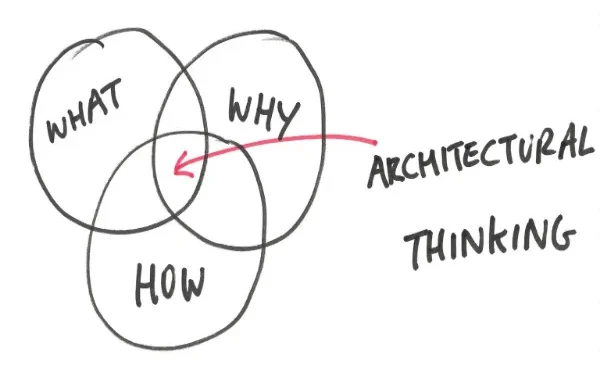
This is where architectural thinking matters. Not diagrams on a whiteboard. Not buzzwords. Real, working decisions that stay with a product for years.
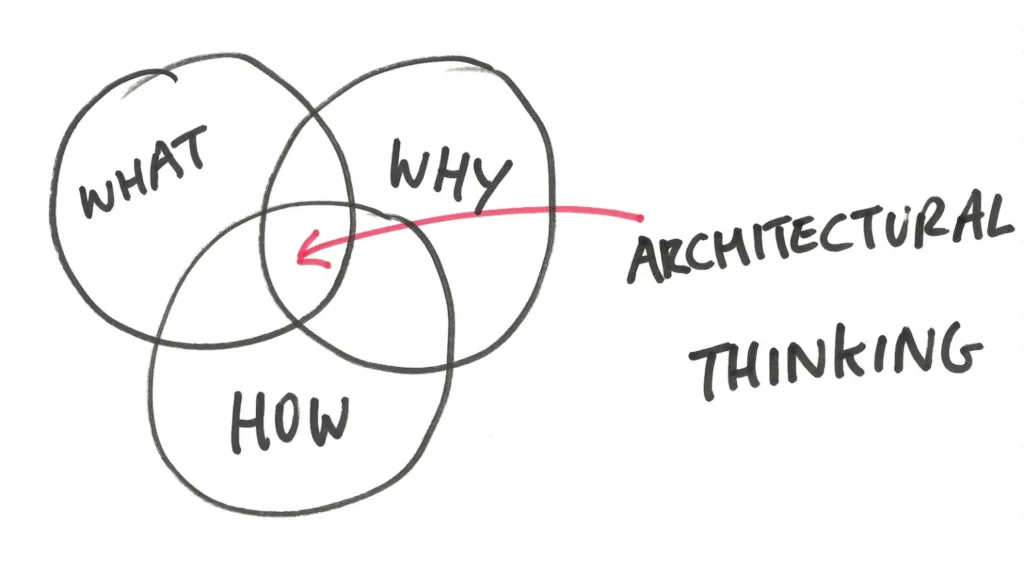
PowerGate Software’s view on architecture as something alive
At PowerGate Software, architecture is treated like a living thing. It changes, grows, and sometimes gets trimmed back. But it is always intentional. Over the past decade, working with SaaS startups, healthcare platforms, fintech tools, and IoT products, this mindset has shaped how large systems are built and kept stable.
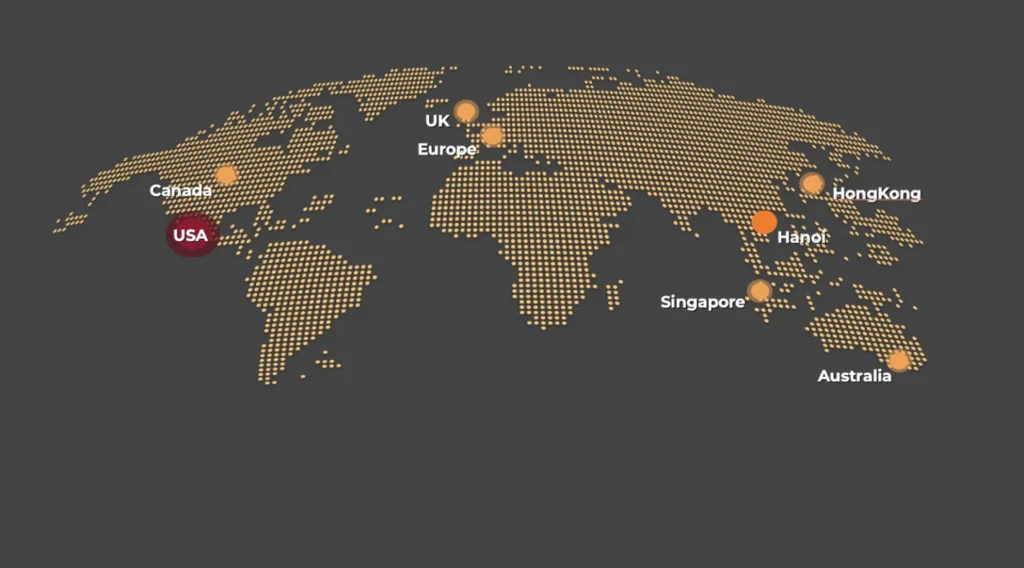
PowerGate Software is a global product studio with teams in Vietnam and delivery hubs serving the US, the UK, Europe, and Australia. More than two hundred products have been shipped with them, from early MVPs to enterprise platforms. What ties those projects together is not a tech stack. It is how the system is designed to survive real use.
Designing systems that can scale without drama
One core belief is simple: If a system cannot scale quietly, it will break loudly. That is why most large PowerGate Software systems are built around a scalable microservices architecture. Not everything needs to be a microservice. But nothing should be a tangled monolith either. Business domains are separated. APIs are treated as contracts. When one part of the system changes, the rest should not panic.
This makes growth less scary. When traffic jumps. When a new customer segment appears. When a partner asks for deep integration. The architecture already knows how to stretch.
Why reliability and security are part of the design
Reliability is the next pillar. Large systems are not allowed to be fragile. PowerGate Software teams design for testing from the first sprint. Components are written so they can be isolated. Pipelines are automated. Bugs are caught early, not heroically fixed later.
Security also lives inside the architecture, not bolted on. This is especially visible in healthcare and fintech work. One telehealth platform built by PowerGate Software had to meet HIPAA-aligned requirements while handling sensitive patient data across video calls, records, and real-time messaging. That required encrypted data flows, strict access layers, and logging that could prove what happened and when. All of that was part of the system design before the first line of UI code was written.
Putting the user at the center of system design
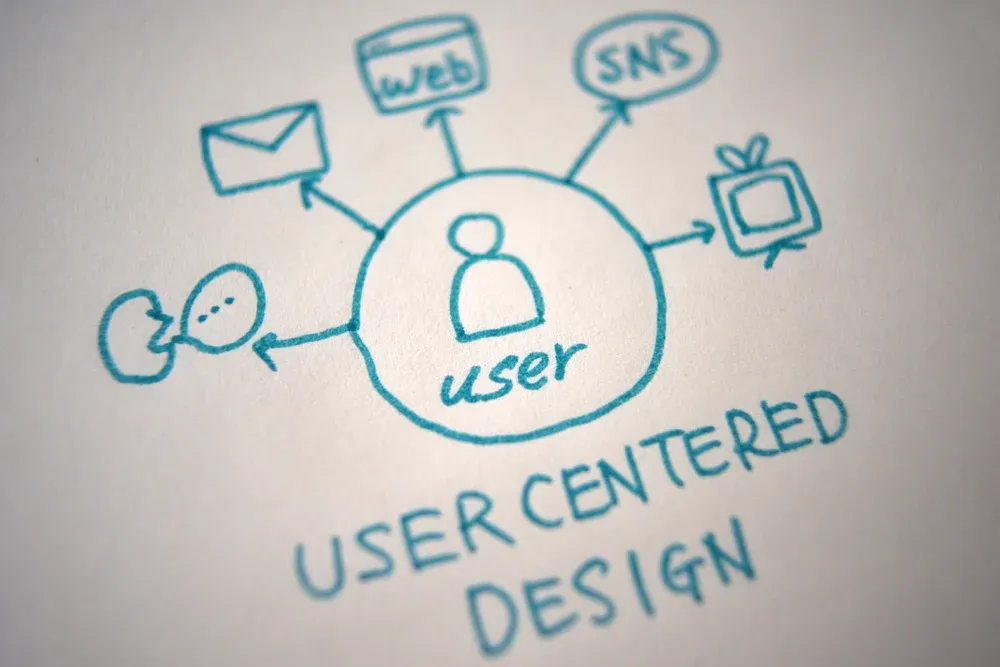
There is also a strong user-centric angle to their architecture. It sounds soft, but it is not. PowerGate Software often uses an API first approach so frontend and backend teams can move fast without blocking each other. UX teams can test flows early. Engineers can swap or upgrade services without breaking the interface.
The user feels a smooth product. The team gets room to breathe.
Building around data, not just features
Data plays a similar role. Many modern products live or die by how well they understand their users. One example is a smart meal recommendation engine that PowerGate Software helped build. The system used Python and data pipelines to analyze user habits and health goals, then generate personalized suggestions. The architecture was designed around data from day one: Ingest, clean, analyze, and respond.
The result was more than seventy thousand active users in two months. That does not happen by accident.
How this thinking shows up in real projects
Another interesting case came from the OKR and performance management space. PowerGate Software worked on a SaaS platform that later caught the attention of Microsoft and was acquired. The product integrates with tools like Slack and handles complex permission models. Its architecture was clean and API driven. That made integrations easy. It also made scaling possible when enterprise clients arrived.
Then there was a micro mobility app powered by IoT. Real-time tracking. Remote locking. Payment flows. Hardware talking to software across unreliable networks. The architecture had to handle latency, device failures, and bursts of activity when users unlocked fleets of scooters in busy cities. PowerGate Software designed the backend around event-driven flows and lightweight services. It was not flashy. It was resilient.
The way PowerGate Software actually builds large systems
Behind all these projects sits a process that feels more like engineering than project management. Requirements are analyzed. A draft architecture is created. Then, a small proof of concept is built. Not for show. To find the weak spots. From there, the system grows in iterations, reviewed and adjusted every sprint.
Nothing is frozen too early. That matters. Many large systems fail because they lock into bad decisions too soon.

A quiet lesson for CTOs and tech leaders
For CTOs and engineering leaders, there is a quiet lesson here. You do not need the perfect architecture on day one. You need one that can evolve. You need visibility into what your system is doing. You need security that does not get in the way. And you need a team that treats structure as something real, not just a slide in a deck.
PowerGate Software has built its reputation on this kind of thinking. They are not just shipping features. They are building foundations that let products grow without falling apart.
If you are working on a product that you hope will be big, really big, it is worth asking one question early. Will the system you are building today still make sense two years from now?
With the right architecture, it might. With the wrong one, probably not.
To dive deeper into how PowerGate Software designs systems for global scale, visit their official website at https://powergatesoftware.com/.
Related posts:
 Voyage Through Time: When will Time Travel be Possible
 Water Damage Restoration Service Lanham: Fast & Efficient
 Can Treasury Management Software Make Borrowing Safer and Smarter?
 Avatar vs. Human: Who’s Better at Explaining Your Product in 30 Seconds?
 AI Photo Generators Elevate Your Editing Without Quality Loss
Leave a Reply