

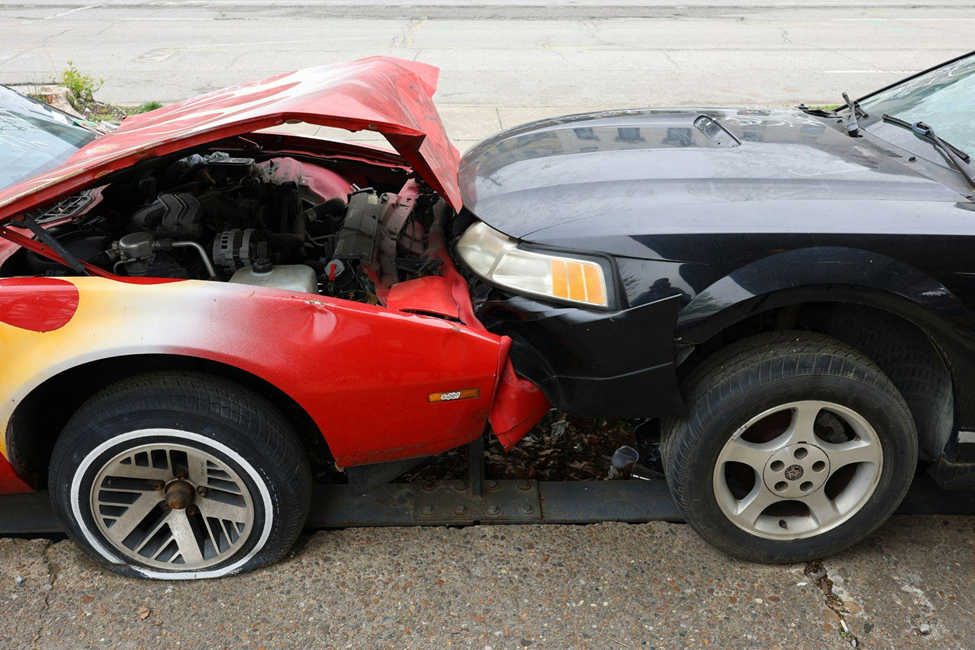
It’s absolutely terrifying being the victim of a hit and run. One minute everything is normal… The next minute you hear a sickening crunch as someone smashes into your car and speeds off.
What makes it worse?
Hit and run accidents on rural highways are especially dangerous. On rural highways there are often no witnesses, no cameras and often not even cell service. That makes it harder to get help. And it makes it much more difficult to track down the driver.
But here’s the good news…
Taking the right steps to protect yourself after a hit and run can help protect your health, your legal rights, and your ability to recover compensation.
What you’ll learn:
- Why Rural Highway Hit and Runs Are So Dangerous
- The First Steps to Take After a Hit and Run
- How to Document Everything Properly
- Getting the Right Legal Support
- Protecting Your Insurance Claim
Why Rural Highway Hit and Runs Are So Dangerous
Hit and runs are, unfortunately, extremely common. According to AAA research, there are more than one per minute on American roads. That’s over 1,700 hits and runs every single day.
But here’s the thing…
Rural highways are a particular challenge for victims. They don’t have the same surveillance and monitoring as busy city streets. There are fewer witnesses to take note of license plates. Emergency services take longer to arrive, which means longer response times.
If you’re involved in a hit and run on a rural highway, the consequences can be severe. Because of this, it’s important to talk to a hit and run accident lawyer in Calgary that has experience with rural highway collisions. It’s a complicated area of law that requires expertise on traffic violations, but also in what can be done when crashes occur in these isolated areas.
IIHS data shows the problem is significant. Despite just 20% of the population living in rural areas, 41% of all crash deaths occur on rural roads. There are various factors at play. The distances involved mean higher speeds. Emergency response times are longer, which can make injuries more severe.
The First Steps to Take After a Hit and Run
The first few minutes after a crash are so important. Every decision made at this stage can make or break the case.
First and foremost… Stay calm and stay safe.
Try to pull over to the side of the road if possible. Turn on your hazard lights. Check yourself and any passengers for injuries before doing anything else.
Call 911 immediately.
This cannot be stressed enough. Even if everyone seems okay and there’s not a lot of damage, call the police. It creates an official accident report. Without a police report it’s much more difficult to file a claim with insurance.
Try to remember details about the other vehicle.
It’s hard in the heat of the moment. But make a mental note of:
- Colour and make of vehicle
- Licence plate number (even if you can’t remember the whole thing)
- Direction of travel
- Any visible damage on the other car
It may not seem like much, but even little details can help investigators identify the driver later.
How to Document Everything Properly
The documentation stage is where everything is made or broken. The more evidence collected, the better your chances are later.
Take photos of the scene.
Use a smartphone to take pictures of all the damage to your vehicle, skid marks, road conditions, and any debris on the road. Take both wide shots and closeups. Photograph from different angles.
Look for witnesses.
Were there any other drivers, pedestrians, or even people in nearby houses that might have seen what happened? Get their contact information. Their statements could be critical later.
Check for cameras.
Many rural areas are now covered by traffic cameras. Other vehicles may have dashcams. There may even be home security cameras that recorded something useful. Take note of any camera locations and share with police.
Seek medical attention.
Seriously, even if you feel fine. Some injuries have delayed symptoms. Adrenaline can mask pain for hours, even days. Getting examined by a medical professional links your injuries directly to the accident. And it provides documentation that will be important for insurance claims later.
Getting the Right Legal Support
The period after a hit and run is confusing and stressful. Legal support is one of the biggest factors in outcomes for victims.
Legal support matters… because insurance companies are not your friend.
They may try to deny claims or settle for as little as possible. Having an experienced attorney on your side levels the playing field. It ensures you are treated fairly.
Lawyers can help in many ways, including:
- Investigating the accident
- Working with police to identify the driver
- Handling all communication with insurance companies
- Filing lawsuits if driver is identified
- Pursuing uninsured motorist claims
The truth is that less than 10% of hit and runs are ever solved. But even if the driver is never found, victims can still recover compensation through their own insurance with the right legal support.
Protecting Your Insurance Claim
Filing an insurance claim for a hit and run needs to be done carefully.
Report the accident to your insurer as soon as possible.
Many insurance policies require “immediate” notice of any accidents. Call your insurance company as soon as possible after you call the police. The longer you wait, the more difficult things become.
Know what’s covered.
Uninsured motorist coverage is critical for hit and run victims. This coverage kicks in when the other driver can’t be identified or doesn’t have insurance. Check your policy to see what protections you have.
Don’t admit fault.
It can be tempting to try and work out what happened. But even if you’re not sure, never admit fault to anyone. The police, investigators, and insurance adjusters can determine fault based on evidence.
Keep all records organised.
Put every document related to the accident in a file. This includes the police report, medical bills, repair estimates, and all communications with insurance companies. Staying organised is key when disputes come up.
Wrapping It Up
Being the victim of a hit and run on a rural highway is a nightmare situation. The remoteness, lack of witnesses, and longer emergency response times make these accidents especially dangerous.
But here’s the most important thing…
Taking the right steps immediately after the accident can help protect your health and your legal rights. Let’s recap:
- Stay safe and call 911 right away
- Document everything you can at the scene
- Seek medical attention, even for minor injuries
- Get legal support to navigate insurance and potential lawsuits
- Report the accident to your insurer promptly and know what’s covered
Hit and runs are devastating. But with the right actions and support, victims can protect themselves and pursue the compensation they deserve.
Related posts:
 Exclusive Rewards with WoW Anniversary Classic Boost
 Frequently Asked Questions About Ordering Crystal Awards
 How to Choose the Perfect Women’s Shoes: Comfort, Style, and Confidence
 Making the Right Choice: Single vs. Regular Premium ULIPs
 Holiday Travel Made Easy: Why a Mini Power Bank Is the Ultimate Gift for Travelers
Leave a Reply