
With the holidays fast approaching, and with winter already posing the threat of home repairs, the last thing you’ll want to face is a large home heating bill. However, as temperatures start dropping, you might feel you have no other choice but to turn up the thermostat to remain warm and cozy indoors.
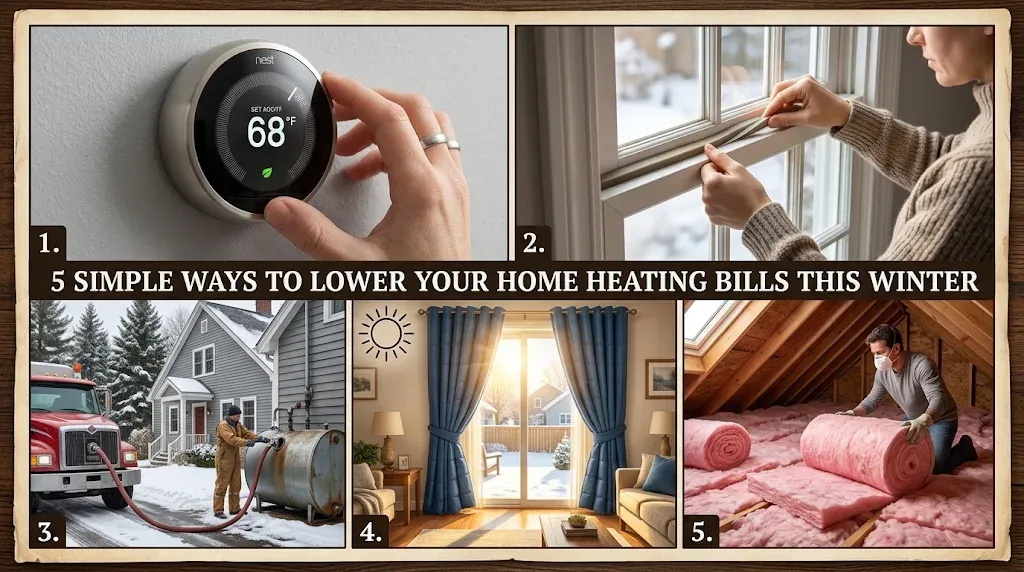
As heating is typically the biggest energy cost in most households, especially in colder states, you’d be wise to find ways to lower the cost of your first bill of the season. If you’re ready to do so, keep reading to learn about the five simple ways to lower your home heating bills this winter.
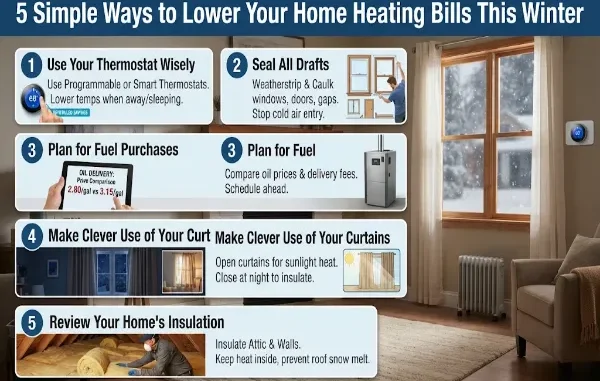
1. Use Your Thermostat Wisely
Start making your thermostat work harder for you this winter to cut your energy costs. For instance, a smart or programmable thermostat will allow you to power up heating on an automated schedule, helping to reduce costs throughout the season.
You also could lower your household’s temperature when you and your loved ones are outside the home or during sleep. However, always keep the property warm enough to prevent burst pipes.
2. Seal All Drafts
A cold draft will impact your comfort at home. Yet you might be unsure about where it is coming from.
If so, it may help to know that drafts are typically found around:
- Windows
- Doors
- Baseboards
- Wire or pipe openings
- Attic hatches
Place a thin strip of tissue near a window, door, or another gap to identify any drafts in the home. Apply caulk to any cracks or small gaps you find, or weatherstrip areas with moving parts, such as windows and doors.
3. Plan for Fuel Purchases
A little forward thinking can lower your household heating bills and ensure you don’t run low on essentials during a cold snap. For instance, if you use an oil-fired furnace or boiler, spend time comparing heating oil prices, delivery fees, and order requirements to find the right provider for your needs and budget.
Choose an oil delivery option to match your requirements, such as cash on delivery, automatic delivery, and emergency delivery. Whatever company you choose, look for a provider committed to honest, transparent pricing to protect your finances this winter.
4. Make Clever Use of Your Curtains
Your curtains can serve multiple purposes during winter. In addition to elevating your interior design, you can open them on a sunny day to welcome natural sunlight into a room, helping to heat your home naturally. You should also close them once the sun goes down to stop heat from escaping through your windows.
If a room feels particularly drafty, consider hanging insulated curtains to keep cold air at bay, which will make the space feel warm and comfortable each day and night.
5. Review Your Home’s Insulation
A poorly insulated property will allow heat to quickly escape, making many rooms feel bitterly cold and uncomfortable. As heat rises, it’s a wise decision to insulate your attic to stop warm air from escaping.
If your home is insulated, you may need to review it, as thin insulation lets heat escape, which may cause snow to melt quickly or unevenly on your roof.
Related posts:
 Longhornsurvey com The Online Survey Platform
 Why Siding Plays a Key Role in Reducing Exterior Maintenance Throughout the Year
 The Ultimate Guide to Building Your Signature Personal Style
 Zach Bryan Merch and the Art of Building a Concert-Ready Wardrobe
 Smart Landscaping in Victoria BC: Irrigation, Drainage Planning and Low-Maintenance Yards
Leave a Reply