
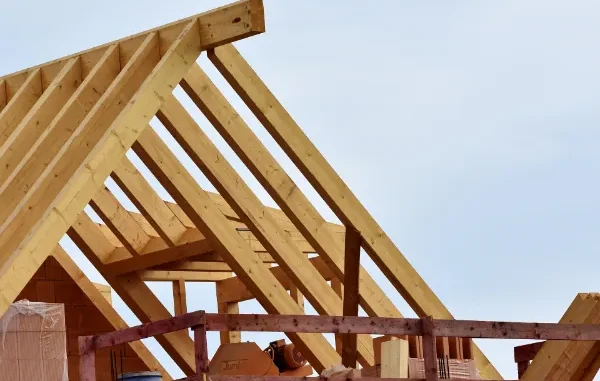
Building a new home involves a series of decisions that shape its long-term durability, comfort, and efficiency. Among these choices, the roofing system plays a far more important role than many property owners initially realize. It is not simply a finishing element but a core structural component that influences how the entire building performs.
When roofing decisions are delayed, they often lead to design conflicts, inefficient systems, and unnecessary adjustments during construction. On the other hand, early planning allows builders to align structural elements, ventilation, and drainage systems around the roof design. This coordinated approach creates a more stable and efficient structure from the start.
Properly designed new construction roofs provide a strong foundation for long-term performance. With expert input from professionals like Ragan Roofing, homeowners and builders can ensure the roofing system is integrated seamlessly into the construction process and built to perform reliably for years.
Designing the Roof as a Core Structural System
Roofing should never be treated as an afterthought in new construction. It directly affects how weight is distributed across the structure and how the building responds to environmental stress.
By planning early, builders can align roof design with framing systems. This ensures that load-bearing walls and support beams are positioned correctly to handle the weight of roofing materials.
A well-integrated system improves structural balance and reduces the risk of long-term issues such as sagging or uneven stress distribution.
Coordinating Roofing With Architectural Design
Aligning Rooflines With Overall Structure
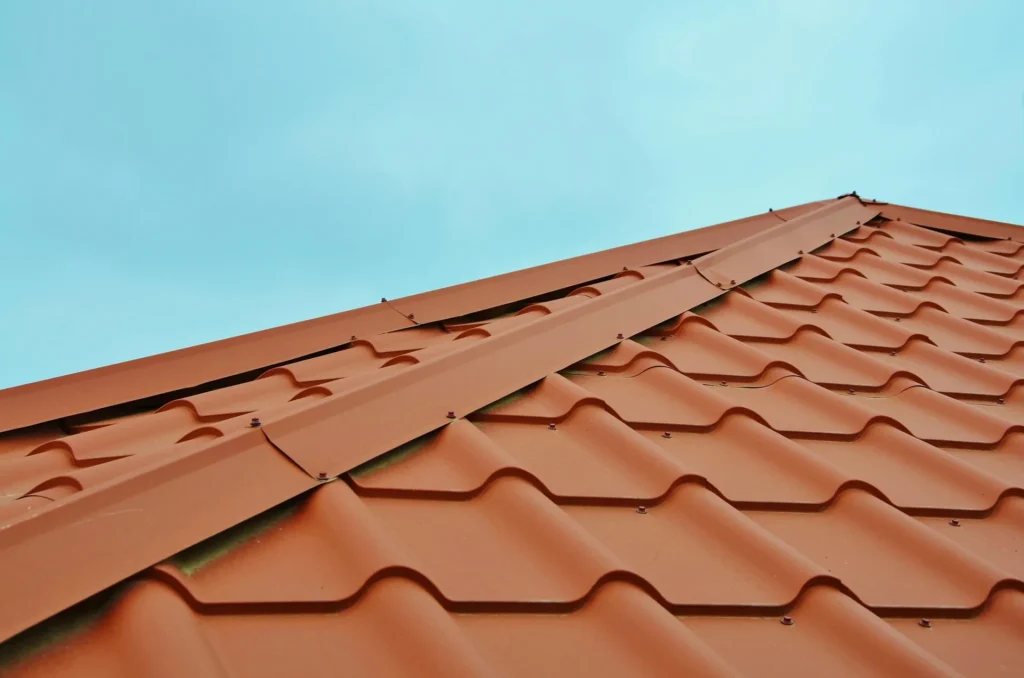
The shape and slope of a roof influence both its appearance and functionality. Rooflines determine how water flows across the surface and how the building interacts with weather conditions.
Careful planning ensures that roof slopes are designed to manage drainage effectively while complementing the architectural style of the home.
This balance between design and performance creates a structure that is both visually appealing and functionally efficient.
Supporting Consistent Material Performance
Selecting roofing materials early allows builders to design the structure around their specific requirements. Different materials have varying weight, durability, and installation needs.
Integrating these factors into the planning stage helps prevent complications later in the construction process.
Professionals at Ragan Roofing often guide these decisions to ensure materials and structure work together effectively.
Managing Water Drainage From the Start
Preventing Water Accumulation on the Roof
One of the primary functions of any roof is to direct water away from the structure. Poor drainage design can lead to standing water, which accelerates material deterioration and increases the risk of leaks.
Planning new construction roofs early allows builders to design slopes and valleys that guide water efficiently toward drainage systems.
This reduces the likelihood of moisture-related issues and helps maintain the integrity of the roofing system.
Integrating Gutters and Downspouts
Drainage systems must be designed alongside the roof to handle the volume of water generated during rainfall. Proper placement of gutters and downspouts ensures that water is directed away from the building.
Without this coordination, drainage systems may become overwhelmed or ineffective.
Early planning creates a complete water management system that protects both the roof and the foundation.
Enhancing Energy Efficiency Through Roofing Design
Energy efficiency begins with the building envelope, and the roof plays a major role in regulating indoor temperatures. A well-designed roofing system helps maintain consistent conditions throughout the home.
Modern new construction roofs often include advanced insulation and ventilation systems. These features work together to reduce heat transfer and improve overall efficiency.
By incorporating these elements during construction, homeowners can benefit from lower energy costs and improved comfort.
Optimizing Ventilation for Long-Term Performance
Preventing Heat and Moisture Buildup
Proper ventilation is essential for maintaining a healthy roofing system. Without adequate airflow, heat and moisture can accumulate in attic spaces, leading to material deterioration.
Early planning allows builders to include intake and exhaust vents that support balanced airflow.
This helps protect roofing materials from internal damage and extends the lifespan of the system.
Supporting Indoor Comfort
Ventilation also plays a role in maintaining comfortable indoor temperatures. By regulating airflow, the roof helps prevent excessive heat buildup during warmer months.
This reduces the strain on cooling systems and contributes to a more stable indoor environment.
Avoiding Common Construction Challenges
Eliminating the Need for Late Adjustments
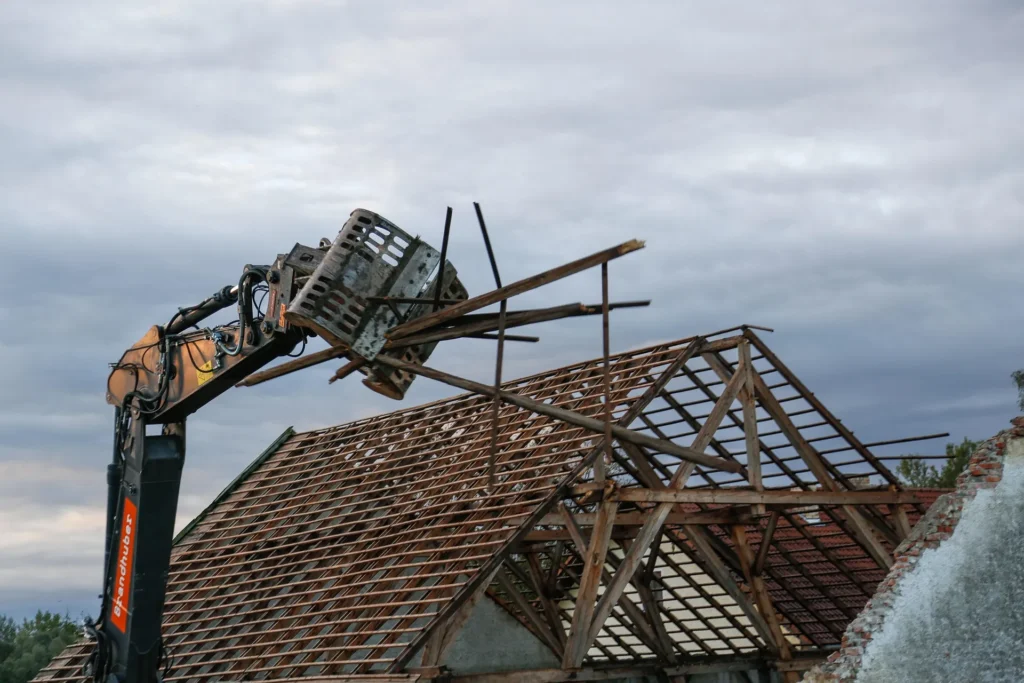
When roofing decisions are postponed, builders may encounter conflicts with framing, ventilation, or drainage systems. These issues often require costly adjustments and delays.
Planning roofing systems early prevents these complications and ensures a smoother construction process.
This proactive approach saves both time and resources while improving overall project efficiency.
Reducing Long-Term Maintenance Concerns
Roof systems that are properly designed from the beginning tend to experience fewer issues over time. Balanced slopes, effective drainage, and proper ventilation all contribute to long-term durability.
This reduces the need for frequent repairs and helps homeowners maintain their property more easily.
Adapting to Environmental and Climate Conditions
Every region presents unique challenges for roofing systems. Weather conditions such as heavy rain, strong winds, or extreme temperatures can affect how a roof performs.
Planning new construction roofs with these factors in mind ensures that materials and design choices are suited to the environment.
Ragan Roofing often evaluates these conditions during the planning stage to recommend solutions that improve resilience and performance.
Protecting Interior Spaces From the Start
A well-designed roof prevents moisture from entering the building and protects interior finishes from damage. This includes ceilings, walls, insulation, and structural components.
By creating a secure barrier against environmental elements, the roof helps maintain a stable and dry interior environment.
This protection is especially important in new construction, where long-term performance depends on preventing early damage.
Supporting Property Value and Market Appeal
The quality of a roofing system has a direct impact on property value. Buyers often look for homes that have been built with attention to detail and long-term durability in mind.
A properly designed roof enhances both functionality and appearance, making the property more attractive in the market.
Homes with well-planned roofing systems also provide greater confidence to potential buyers during inspections.
The Role of Professional Expertise in Roofing Design
Designing a roofing system requires a combination of technical knowledge and practical experience. Builders and homeowners benefit from working with professionals who understand structural requirements, material performance, and environmental factors.
Ragan Roofing provides guidance throughout the planning process, helping ensure that roofing systems are designed and installed correctly.
This expertise helps avoid costly mistakes and ensures the roof performs as intended.
Conclusion
Roofing is a critical component of any new construction project, influencing structural stability, energy efficiency, and long-term durability. Planning roofing systems early allows builders to create a coordinated design that supports every aspect of the home.
Well-designed new construction roofs integrate seamlessly with framing, ventilation, and drainage systems, providing reliable protection from the start. This proactive approach reduces future maintenance needs and enhances overall performance.
With support from Ragan Roofing, homeowners and builders can ensure that their roofing systems are built to deliver strength, efficiency, and lasting value for years to come.




Leave a Reply