

Delivery trucks are a common sight in neighborhoods, business districts, and highways across the country. With the rapid growth of online shopping, companies rely heavily on delivery drivers to meet tight deadlines. Unfortunately, this increased traffic also means more delivery truck accidents.
If you’ve been involved in a crash with a delivery vehicle, you may be facing serious injuries, medical bills, lost income, and confusion about who is responsible. Understanding your rights and the steps to take after a delivery truck accident can help protect your health, finances, and future.
Here’s what every victim should know.
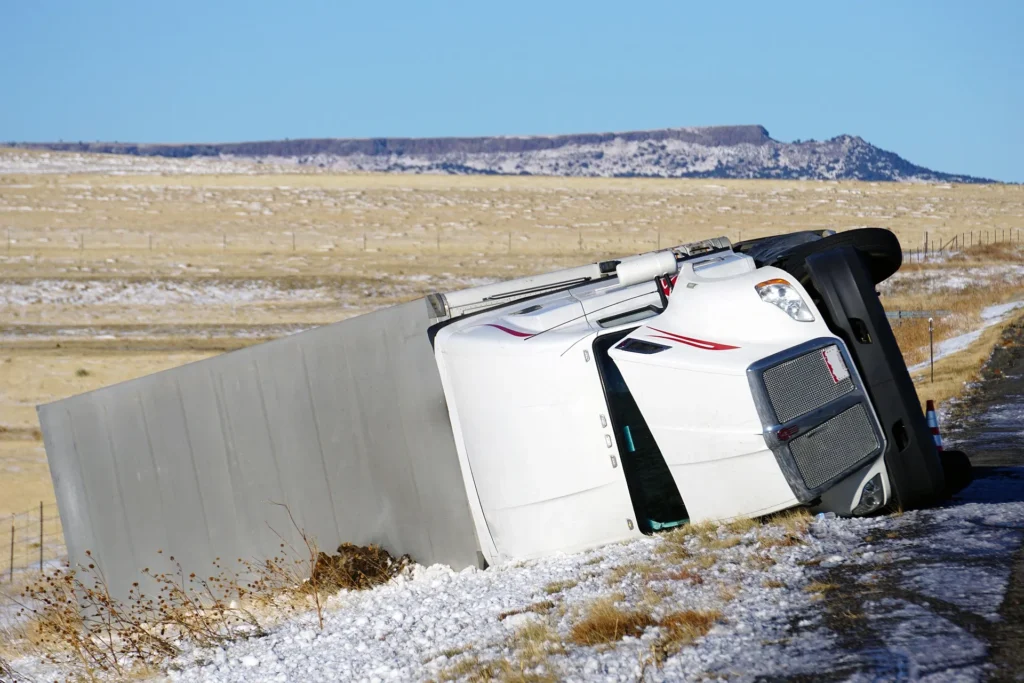
Why Delivery Truck Accidents Can Be Complicated
At first glance, a delivery truck accident might seem similar to a typical car crash. However, these cases are often more complex because they may involve:
- A corporate employer
- Third-party contractors
- Commercial insurance policies
- Vehicle maintenance companies
- Tight delivery schedules that increase driver pressure
Unlike standard car accidents, liability may extend beyond the driver. Determining who is responsible requires careful investigation.
Immediate Steps to Take After the Accident
The moments following a delivery truck crash are critical for both your safety and your legal protection.
1. Seek Medical Attention
Even if injuries seem minor, get evaluated by a medical professional. Some injuries, such as concussions or internal trauma, may not show symptoms immediately.
Medical documentation is also essential if you pursue a claim later.
2. Call Law Enforcement
A police report creates an official record of the accident. Officers may document:
- Road conditions
- Witness statements
- Driver information
- Signs of distracted or reckless driving
3. Gather Evidence
If you’re able, collect:
- Photos of vehicle damage
- Images of the truck’s company logo
- The driver’s contact and insurance information
- Contact details for witnesses
Delivery vehicles often have tracking systems or dash cameras, which can provide valuable evidence.
Who May Be Liable in a Delivery Truck Accident?
Liability in these cases can involve multiple parties.
The Driver
If the driver was speeding, distracted, or violating traffic laws, they may be directly responsible.
The Delivery Company
Companies may be held liable if:
- They failed to properly train drivers
- They encouraged unsafe delivery schedules
- They neglected vehicle maintenance
- They hired drivers with poor driving records
Third-Party Contractors
Many delivery drivers are classified as independent contractors rather than employees. However, companies cannot always avoid liability simply by labeling drivers as contractors.
If you’ve been injured in a crash involving a major delivery service, consulting a legal advocate for Amazon truck accidents may help clarify whether the corporation, driver, or another party shares responsibility.
Why Delivery Drivers Face Unique Pressures
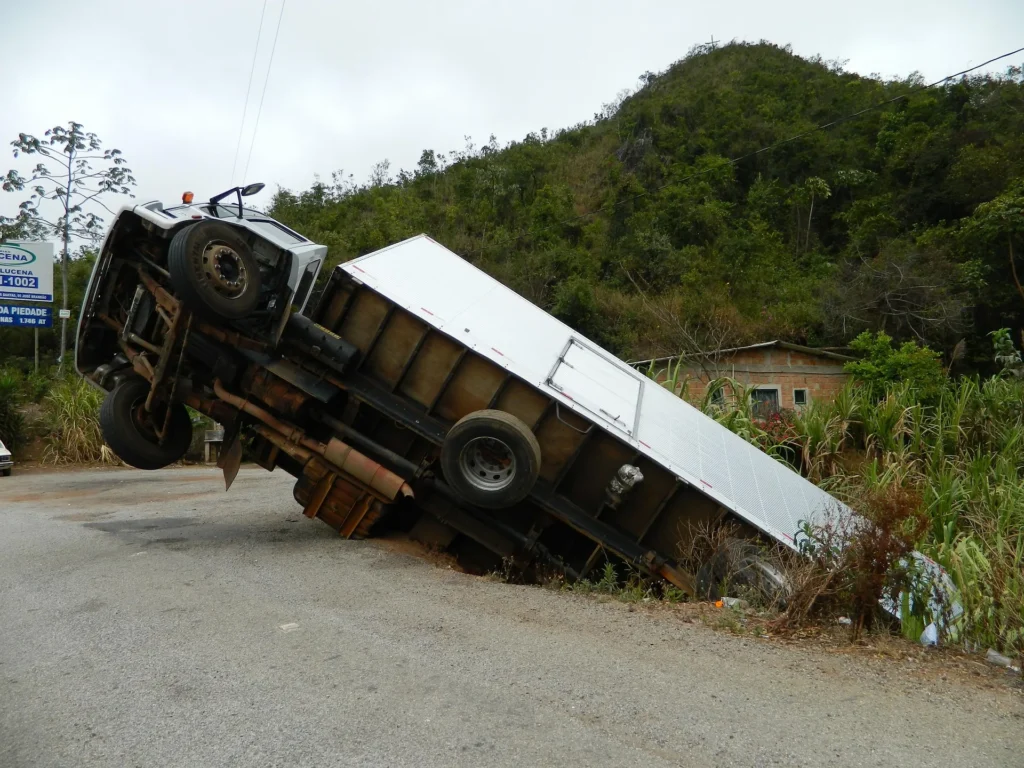
Delivery drivers often work under strict deadlines and heavy workloads. This can lead to:
- Speeding
- Fatigue
- Distracted driving
- Risky parking maneuvers
- Failure to fully stop at intersections
Residential areas are especially vulnerable to delivery truck collisions due to frequent stops and limited visibility.
Understanding these factors can help explain how the crash occurred and support a claim.
What Compensation Can Victims Seek?
If you’ve been injured, you may be entitled to compensation for both economic and non-economic damages.
Economic damages include:
- Medical bills
- Future medical care
- Lost wages
- Reduced earning capacity
- Property damage
Non-economic damages include:
- Pain and suffering
- Emotional distress
- Loss of enjoyment of life
In severe cases involving reckless conduct, punitive damages may also apply.
Common FAQs About Delivery Truck Accidents
Not automatically. Liability depends on whether the driver was acting within the scope of employment and whether the company exercised proper oversight.
Even if a driver is classified as a contractor, the company may still share responsibility depending on how much control they exert over the driver’s work.
Each state has a statute of limitations, typically between one and three years. Acting quickly preserves evidence and strengthens your case.
Commercial policies often have higher coverage limits than personal auto policies. However, insurance companies may aggressively defend against large claims
Commercial policies often have higher coverage limits than personal auto policies. However, insurance companies may aggressively defend against large claims.
In many states, comparative negligence laws allow victims to recover compensation even if they share some responsibility. Your recovery may be reduced by your percentage of fault.
The Importance of Evidence
Delivery companies often deploy rapid response teams after serious accidents. These teams may begin investigating immediately to limit liability.
This makes it crucial for victims to:
- Preserve medical records
- Avoid giving recorded statements without advice
- Keep documentation of expenses
- Save correspondence with insurance companies
The earlier evidence is gathered, the stronger your claim may be.
Emotional Recovery Matters Too
Beyond physical injuries, delivery truck accidents can cause significant emotional trauma.
Victims may experience:
- Anxiety about driving
- Sleep disturbances
- Post-traumatic stress
- Financial stress
Seeking mental health support is an important part of recovery and may also be considered in a compensation claim.
Protecting Yourself Moving Forward
While you cannot control every driver on the road, you can reduce your risk by:
- Maintaining a safe following distance from delivery trucks
- Avoiding driving in their blind spots
- Anticipating frequent stops in residential areas
- Being cautious near parked delivery vehicles
Delivery trucks often make unpredictable movements due to tight schedules and unfamiliar routes.
Conclusion: Knowledge Is Power After a Delivery Truck Accident
Delivery truck accidents can be physically devastating and legally complex. Because these crashes often involve corporate entities, commercial insurance policies, and independent contractors, determining liability requires careful attention.
If you’ve been injured, prioritize your medical care, document everything, and understand your legal options. Knowing who may be responsible—and what compensation you may be entitled to—can help you make informed decisions during a difficult time.
Above all, remember that you have rights. Taking proactive steps early can protect your health, financial stability, and peace of mind as you move forward.




Leave a Reply