
In today’s digital age, marketing emails and text messages are everywhere. While many are legitimate, some contain misleading subject lines or deceptive content designed to trick consumers. Washington State recognized this problem early and enacted the Commercial Electronic Mail Act (CEMA) to protect residents from false or misleading electronic communications.
If you’ve ever received an email claiming “Today Only!” for a sale that lasted all week, you’ve seen the kind of practices CEMA targets. This article explains what CEMA is, how it works, and why consulting a CEMA lawyer can help you enforce your rights.

What Is CEMA?
Washington’s Commercial Electronic Mail Act (RCW 19.190) was passed in 1998 to regulate commercial emails and text messages sent to Washington residents. The law prohibits:
- Sending commercial emails or commercial text messages that contain false or misleading information in the subject line.
- Disguising the sender’s identity or origin.
- Assisting in the transmission of messages that violate these rules.
Under CEMA:
- A commercial electronic mail message is any email sent to promote goods, services, or real property for sale or lease.
- A commercial electronic text message is any text message sent for the same purpose.
Why Does CEMA Matter?
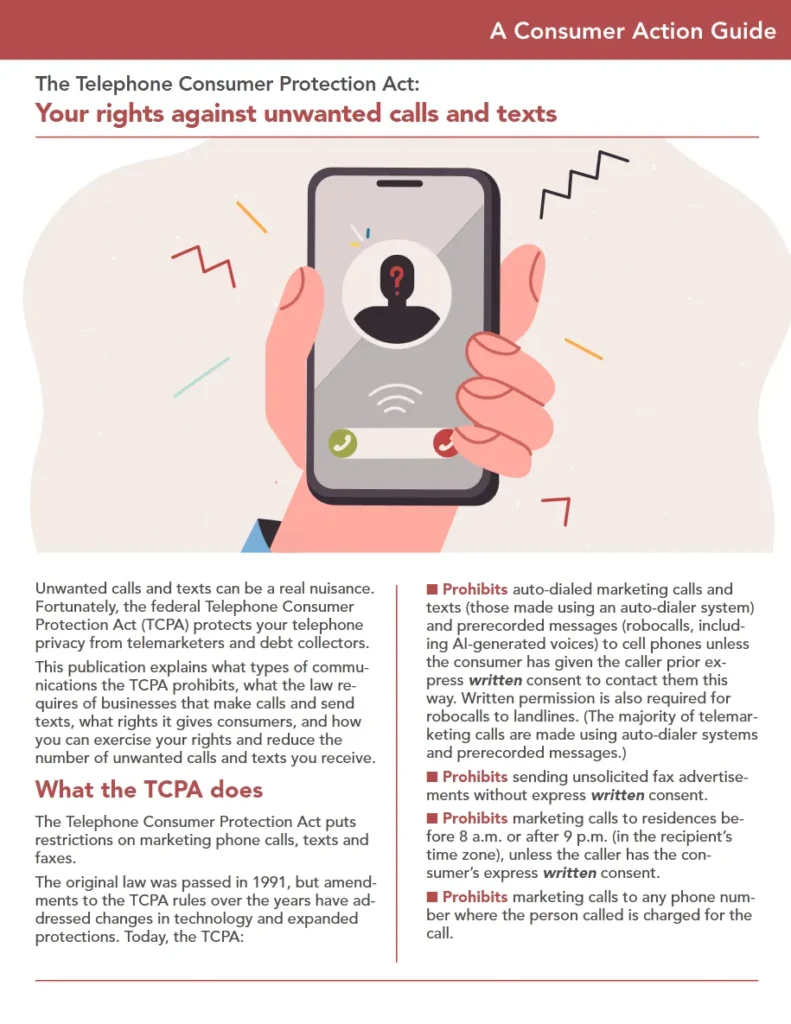
CEMA was designed to protect consumers from deceptive marketing practices that waste time, create confusion, and lead to financial harm. Originally enacted during the dial-up era, when loading emails cost money, the law remains relevant today because misleading digital marketing can still cause significant consumer harm.
Recent court decisions have expanded CEMA’s reach:
- Brown v. Old Navy (2025): The Washington Supreme Court ruled that any false or misleading information in an email subject line violates CEMA—not just misrepresentations about the email’s nature. For example, subject lines like “50% Off Today Only” when the sale continues beyond that day are unlawful.
- Aaland v. CRST Home Solutions (2025): Recruitment text messages were deemed “commercial” under CEMA because they promote services for sale or lease.
Penalties for Violations
CEMA violations carry serious financial consequences:
- Statutory damages: $500 per message, even if you can’t prove actual harm.
- Actual damages: If you suffered measurable losses, you can recover those instead.
- Consumer Protection Act: Every CEMA violation is also a per se violation of Washington’s Consumer Protection Act, which allows for treble damages in some cases.
Consider this: If a company sends 10 misleading emails to 1,000 Washington residents, that’s potentially $5 million in statutory damages. For large-scale campaigns, exposure can reach billions.
Examples of CEMA Violations
Common violations include:
- False urgency: “Sale Ends Today!” when the sale lasts all week.
- Misleading extensions: Claiming a promotion is extended when it never ended.
- Recruitment texts: Messages inviting contractors to join a company without proper disclosure.
- Hidden identity: Emails that obscure the sender’s identity or domain.
Your Rights Under CEMA
If you receive misleading emails or texts:
- You do not need to prove actual harm to recover statutory damages.
- You can file an individual lawsuit or join a class action.
- You may also recover attorney’s fees and costs in successful cases.
Why Hire a CEMA Lawyer?
CEMA litigation is complex. A skilled CEMA lawyer can:
- Evaluate your claim: Determine if the message qualifies as “commercial” under the law.
- Gather evidence: Preserve emails, texts, and metadata to prove violations.
- Navigate class actions: Decide whether to join a group lawsuit or file individually.
- Maximize recovery: Ensure you receive statutory damages and any additional compensation.
Companies often fight these cases aggressively because the financial stakes are high. Having an experienced attorney levels the playing field.
Steps to Protect Yourself
- Save the message: Keep copies of misleading emails or texts.
- Document patterns: Note dates, subject lines, and any discrepancies.
- Report violations: File complaints with the Washington Attorney General.
- Consult a CEMA lawyer: The sooner you act, the stronger your case.
The Bottom Line
Washington’s CEMA law gives consumers powerful tools to fight deceptive digital marketing. If you’ve received misleading emails or texts, you may be entitled to significant compensation, even if you didn’t suffer financial harm.





Leave a Reply