
Most property owners assume their roof is in good condition as long as there are no visible leaks or missing materials. While this belief is common, it often leads to overlooked issues that quietly develop beneath the surface. Roofing systems can appear stable from the ground while hidden problems gradually reduce performance and lifespan.
A professional roof inspection goes beyond surface observation. It focuses on identifying early warning signs that are easy to miss without training or access. These insights allow property owners to address concerns before they escalate into expensive repairs or operational disruptions.
This detailed approach is often highlighted by AG Exterior Solutions, where inspections are viewed as a critical planning tool rather than a reaction to damage. Understanding what professionals look for helps owners appreciate the value of early evaluation.
Why Visual Checks Are Not Enough
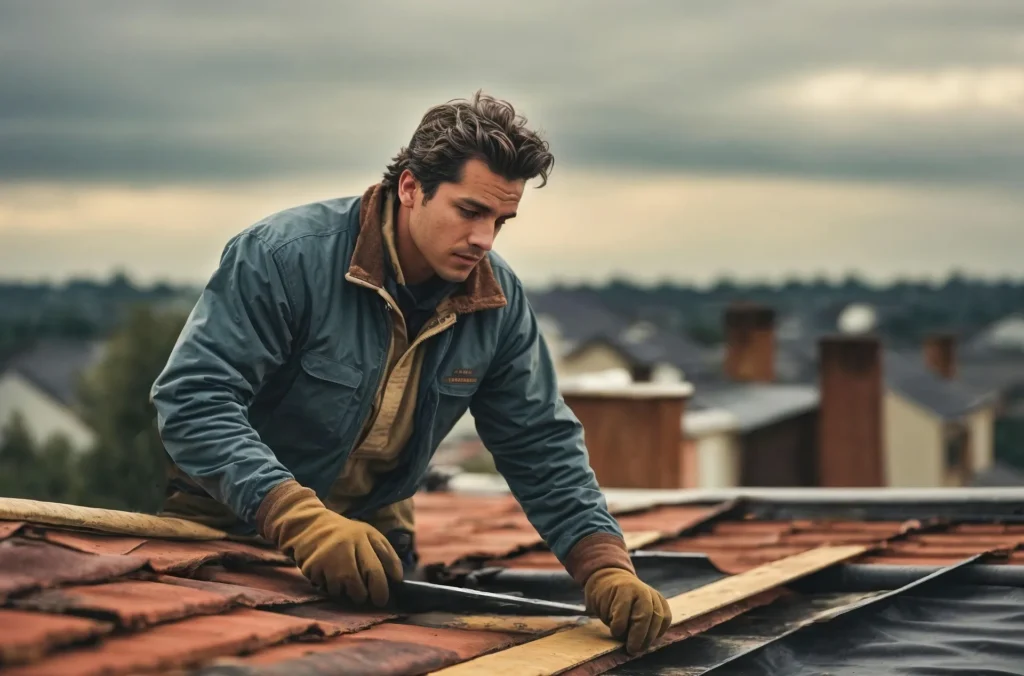
Walking around a property and scanning the roof from below provides only limited information. Many roofing issues begin in areas that are not visible without direct access.
Moisture intrusion, compromised flashing, and insulation problems often develop beneath the surface. These issues rarely create immediate symptoms, which allows them to worsen unnoticed.
A professional roof inspection involves close examination of critical components that visual checks simply cannot assess. This depth is what makes inspections valuable rather than routine.
Identifying Early Material Fatigue
Roofing materials experience constant stress from weather, temperature changes, and UV exposure. Over time, this stress causes gradual fatigue that weakens performance.
Professionals look for subtle indicators such as surface granule loss, membrane thinning, or early cracking. These signs may not cause leaks yet, but they signal reduced durability.
Recognizing material fatigue early allows owners to plan corrective action before failure occurs, preserving both function and budget.
Hidden Moisture and Drainage Issues
One of the most important aspects of a roof inspection is detecting moisture where it should not be. Water can travel beneath roofing layers and collect far from its entry point.
Poor drainage design or clogged systems often lead to standing water. This condition increases pressure on seams and accelerates material breakdown.
Professional inspections identify drainage inefficiencies and moisture paths that would otherwise remain hidden until damage becomes severe.
Flashing and Penetration Vulnerabilities
Flashing protects roof penetrations such as vents, chimneys, and mechanical supports. These areas are among the most common sources of leaks.
Over time, flashing may loosen, corrode, or separate from adjacent materials. These changes are often subtle and easy to miss without close inspection.
Inspectors focus carefully on penetrations because even minor failures in these areas can allow significant water intrusion.
Structural Indicators Beneath the Surface
Roof inspections are not limited to surface materials. Professionals assess signs that structural components may be affected.
Soft spots, uneven areas, or deflection can indicate compromised decking beneath the roofing system. These conditions weaken the roof and may pose safety concerns.
Early detection allows for targeted repairs rather than widespread reconstruction, protecting structural integrity.
Evaluating Installation Quality
Not all roofing issues are caused by age or weather. Installation quality plays a major role in long-term performance.
Improper fastening, poor seam alignment, or inadequate sealing may not fail immediately. However, these deficiencies often shorten system lifespan.
A professional roof inspection in Hendersonville evaluates whether the system was installed according to best practices, helping owners understand future risk.
Assessing Wear Patterns and Usage Impact
Roofs experience uneven wear based on how they are used. Areas with frequent foot traffic or equipment placement often deteriorate faster.
Inspectors identify wear patterns that suggest overuse or inadequate protection. This information helps owners adjust access practices or add protective measures.
Managing wear proactively reduces unnecessary stress on vulnerable areas.
Safety Risks Often Overlooked
Roofing issues can create safety hazards long before leaks occur. Loose materials, unstable surfaces, or deteriorated edges increase risk for anyone accessing the roof.
Professional inspections assess these risks and recommend corrective action. This is especially important for commercial properties with frequent rooftop access.
Improving safety reduces liability and protects maintenance personnel.
Energy Efficiency Indicators
Roof condition has a direct impact on energy performance. Insulation compression, moisture saturation, or air gaps reduce efficiency.
Inspectors look for signs that energy loss may be occurring through the roof assembly. These issues often contribute to higher heating and cooling costs.
Addressing efficiency concerns supports comfort and lowers long-term operating expenses.
Documentation and Planning Benefits
A professional roof inspection provides documented findings rather than assumptions. This documentation is valuable for planning and budgeting.
Reports often include photographs, condition summaries, and prioritized recommendations. This clarity allows owners to make informed decisions.
In the middle of many long-term planning strategies, AG Exterior Solutions emphasizes that inspection data supports smarter maintenance and replacement timelines.
Supporting Insurance and Warranty Requirements
Many insurance policies and warranties require evidence of proper oversight. Inspections help demonstrate responsible ownership.
After severe weather events, inspection records can support claims by showing pre-event condition. This documentation may influence coverage outcomes.
Without inspection history, proving damage cause becomes more difficult.
Adapting to Environmental Conditions
Local climate plays a major role in roof performance. Inspections account for environmental stressors such as heat, snow load, or wind exposure.
Professionals understand how these conditions affect materials over time. Their assessments reflect real-world performance rather than generic expectations.
This tailored insight improves maintenance decisions and system resilience.
Avoiding Emergency Repairs
Emergency roofing repairs are disruptive and costly. They often occur when hidden issues finally reach a breaking point.
Regular inspection reduces the likelihood of these emergencies by identifying concerns early. Planned repairs are less expensive and easier to schedule.
Avoiding emergencies protects both property operations and financial stability.
Educating Property Owners
One overlooked benefit of inspections is education. Property owners gain a clearer understanding of how their roof functions and ages.
This knowledge improves decision-making and reduces uncertainty. Owners become partners in maintenance rather than reactive responders.
Informed owners are better equipped to protect their investment.
Creating a Maintenance Roadmap
Inspection findings often form the basis of a maintenance plan. Rather than guessing what needs attention, owners follow a clear roadmap.
This approach prioritizes actions based on urgency and impact. It prevents unnecessary work while addressing real risks.
A structured plan improves efficiency and confidence.
Long-Term Value of Professional Insight
The value of a roof inspection extends far beyond the day it is performed. It influences decisions that shape long-term performance and cost control.
Professional insight helps owners avoid assumptions that lead to neglect or overreaction. Balanced evaluation supports sustainable ownership.
Over time, this guidance preserves both roof condition and property value.
Conclusion
A professional roof inspection reveals far more than surface condition. It uncovers hidden moisture, early material fatigue, installation flaws, and safety risks that property owners often miss.
By providing detailed insight and documentation, inspections support informed planning and proactive care. They transform roofing management from guesswork into strategy.
For property owners seeking clarity and long-term protection, AG Exterior Solutions offers an inspection-focused approach that supports durability, efficiency, and confident decision-making.





Leave a Reply