

In construction and woodworking, ensuring that a framework is secure is essential for both safety and longevity. Whether you’re building a deck, a roof, or a simple timber frame, the tools and components you use to reinforce connections can make a significant difference. Understanding these tools not only improves the quality of your work but also protects your structures from wear, stress, and environmental factors.
The Importance of Framework Stability
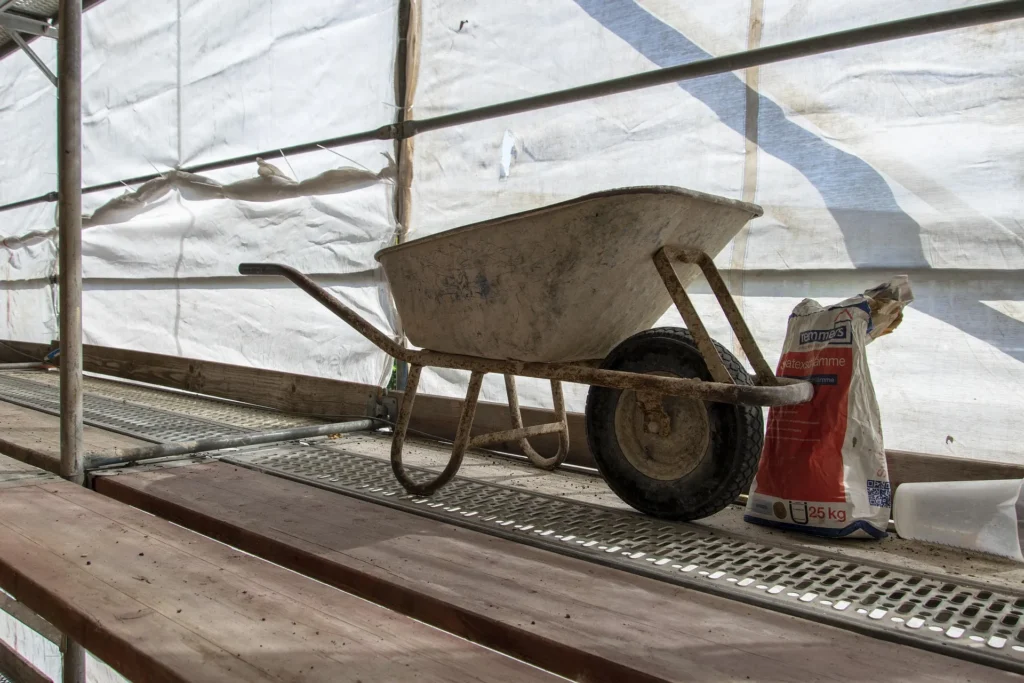
A stable framework serves as the backbone of any construction project. Without strong joints and well-supported connections, even the highest quality materials can fail under pressure. Stability prevents sagging, shifting, and potential collapse, while also ensuring that the structure can bear its intended loads. In essence, every nail, screw, bracket, and strap contributes to a network of support that holds the entire framework together.
Choosing the right tools to secure these frameworks is not just about strength; it’s about precision. Using the wrong fastener or connector can compromise your project, leading to costly repairs or even safety hazards. This is why professionals spend time selecting the proper tools to match both the material and the load requirements of their projects.
Fasteners That Make a Difference
Fasteners are among the most critical tools for framework security. Nails, screws, and bolts come in a variety of sizes and materials, each designed to meet specific demands. For instance, screws with unique threading patterns can reduce the risk of splitting timber, while certain nails are treated to resist corrosion, extending the lifespan of outdoor structures.
Selecting fasteners that match the environment is equally important. In areas exposed to moisture or chemicals, using rust-resistant materials ensures that connections remain strong over time. In indoor projects, attention to load-bearing capacity is crucial to prevent deformation or loosening under stress. The right fasteners not only hold the structure together but also maintain the integrity of the materials they connect.
Reinforcing Joints With Brackets and Plates
Brackets, plates, and similar hardware play a key role in reinforcing joints. These components distribute stress across a larger area, reducing the risk of material fatigue at single points. Corner brackets, angle plates, and specialized joint reinforcements are commonly used in frameworks to provide additional stability where it is needed most.
By supporting the joints, these reinforcements help frameworks withstand dynamic forces such as wind, vibrations, and heavy loads. They are particularly essential in larger structures where long spans of timber or metal could otherwise flex or shift. Proper installation ensures that these supports complement the fasteners, creating a balanced system of strength.
Using Straps to Provide Structural Support
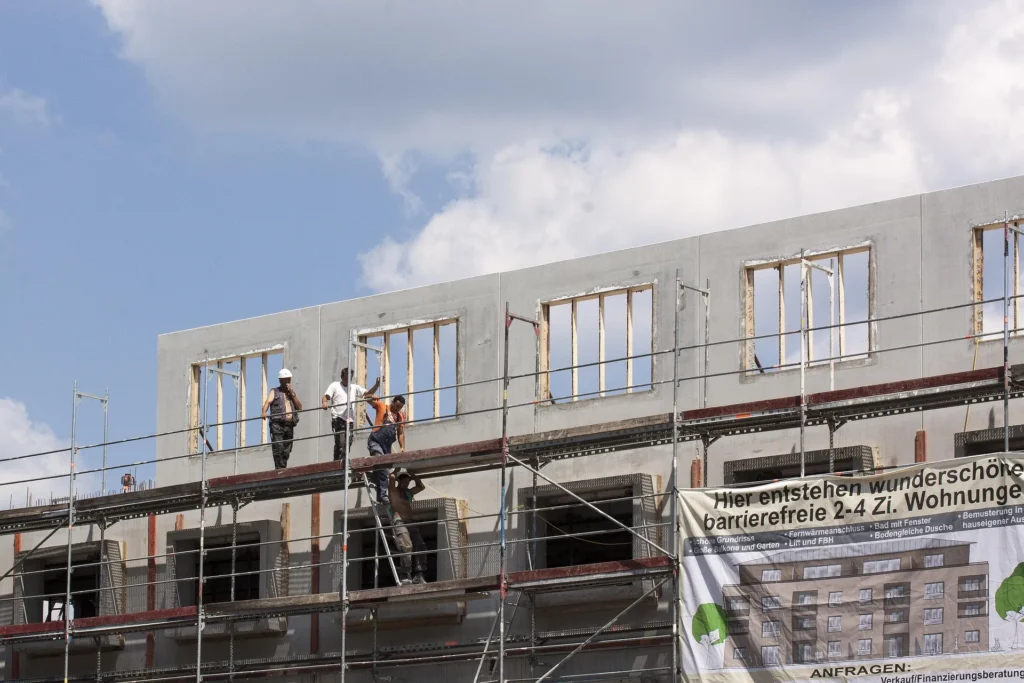
Straps are another vital tool in securing frameworks. Designed to tie beams and joists together, these components enhance the overall rigidity of a structure. For example, straps to provide structural support can prevent lateral movement and help frameworks resist twisting or bowing under heavy loads.
Restraint straps are particularly valuable in areas prone to high winds or seismic activity, where even minor movements could compromise safety. By integrating straps into the design, builders ensure that each section of the framework works together as a cohesive unit. The result is a more durable, reliable structure capable of withstanding both everyday wear and unexpected stressors.
Regular Inspection and Maintenance
Even the best fasteners, brackets, and straps require periodic inspection. Over time, materials can weaken, screws can loosen, and metal components may corrode. Routine checks allow you to address potential issues before they escalate, preserving both safety and functionality. Maintenance also includes tightening connections, replacing damaged fasteners, and ensuring that protective coatings remain effective.
Conclusion
Understanding the tools that keep frameworks secure is essential for any construction or woodworking project. From selecting the right fasteners to reinforcing joints with brackets and incorporating straps, each component contributes to the stability and longevity of a structure. By paying careful attention to these tools, builders can create frameworks that are both strong and reliable, capable of withstanding the challenges of time, load, and environment.
Related posts:
 How to Choose the Perfect Women’s Shoes: Comfort, Style, and Confidence
 Frequently Asked Questions About Ordering Crystal Awards
 Exclusive Rewards with WoW Anniversary Classic Boost
 Australia vs India: A Thrilling ICC Champions Trophy 2025 Semi-Final Showdown
 01841 725302 – Who Is Calling You and Should You Be Concerned?
Leave a Reply