
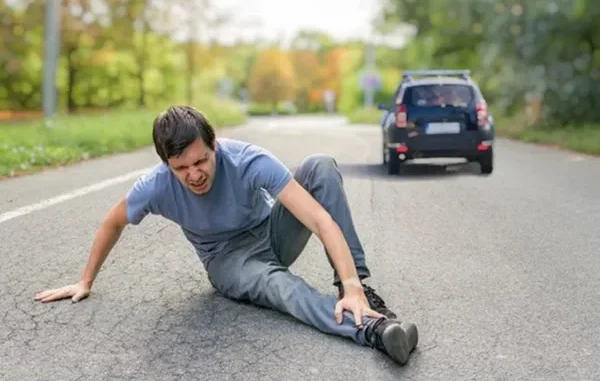

Getting hit by a car that doesn’t stop is scary. One moment, everything is normal. Next, you’re hurt, confused, and the driver is gone. It can feel unfair and overwhelming, especially when you don’t know who caused it.
That’s where witnesses matter. The people who saw what happened can make a huge difference after a hit-and-run accident. They may notice details you missed, like the car’s color, a license plate, or which way the driver turned. Those small details could affect the outcome of your case.
In this article, we’ll look at the top ways witnesses can help your case. From talking to police to backing up your story, their role is often more powerful than most people realize.
How Witnesses Strengthen Your Case
When a driver runs, proof matters. Witnesses give you that proof. They offer an outside view that supports your version of events. Police and insurance companies trust neutral accounts more than statements from people involved in the crash.
In many states, leaving the scene is a crime. For example, California Vehicle Code §20001 says a driver must stop and provide help when someone gets injured.
A witness helps show that the driver broke this law by leaving. That detail alone can change how your case moves forward. Witnesses help by:
- Confirming the crash happened
- Showing the driver failed to stop
- Backing up your injuries and damage
- Reducing disputes about fault
Identifying the Vehicle
Most hit-and-run cases fail because no one can identify the car. Witnesses often fill that gap. They may notice things you missed while you were hurt or in shock.
Useful details include:
- License plate numbers (even partial ones help)
- Car color and size
- Make or model
- Stickers, dents, or broken parts
- Direction the car drove away
Even a small clue can narrow the search. A “dark sedan with a broken taillight” is better than nothing. Combined with traffic cameras or local reports, it can point police to the right vehicle.
Describing the Driver
Witnesses may see the driver before the crash or as they speed away. That gives police another way to identify them. Key details include:
- Gender or age range
- Hair color or style
- Clothing
- Whether the driver seemed drunk or distracted
Some states allow this kind of detail to support a criminal charge. New York Vehicle and Traffic Law §600 makes leaving the scene of an injury crash a misdemeanor or felony. A witness description helps link a person to the vehicle.
Supporting Your Timeline
After a crash, insurance companies look for gaps in your story. They question timing, injuries and how it happened. Witnesses close those gaps. They can confirm:
- When the crash happened
- Where it happened
- How fast the car was going
- Whether you had the right of way
That keeps your account consistent. It also stops the other side from claiming the accident didn’t happen the way you said it did.
Helping Police Act Faster
Police move faster when they have solid leads. A witness gives them that. Instead of filing a report and waiting, officers can:
- Broadcast a vehicle description
- Check nearby cameras
- Look for matching damage
- Contact local body shops
Speed matters. The longer the delay, the easier it becomes for a driver to hide evidence or repair their car.
Many states require drivers to stay and give information. Florida Statutes §316.027 states a driver must remain at the scene and give aid. A witness shows the driver ignored this duty.
Adding Weight in Court
If your case goes to court, witness statements carry real weight. Judges and juries trust people with no personal stake in the outcome.
A strong witness:
- Has no connection to you
- Gives clear and steady answers
- Matches other evidence
That makes your claim harder to challenge. It also makes the defense less likely to argue that you caused the crash or exaggerated your injuries.
Quick Recap — How Witnesses Help Your Hit-And-Run Case:
- Confirm the crash happened and the driver fled
- Provide vehicle details like color, model, or license plate
- Describe the driver and their behavior
- Support your timeline and version of events
- Help police act faster with solid leads
- Add credibility if your case goes to court




Leave a Reply