
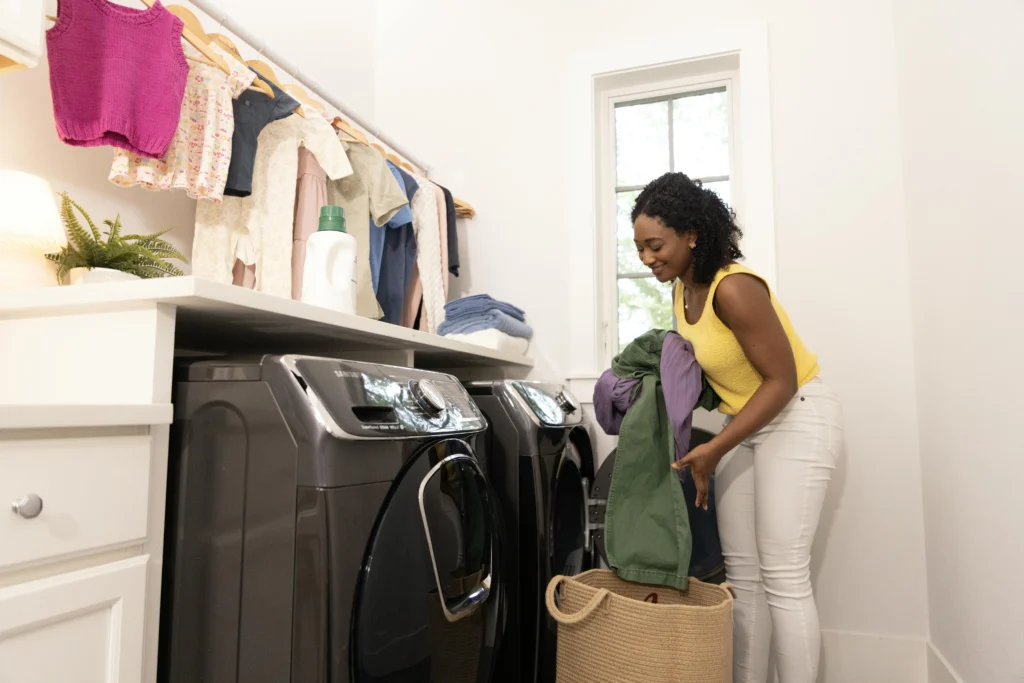
Laundry is one of those never-ending tasks—especially if you have a large family. What starts as a simple routine quickly turns into multiple loads, daily washing, and constant drying. While it keeps your household running smoothly, it also comes with a hidden cost: increased energy consumption.
Most families don’t realize just how much electricity laundry uses until they see their monthly bill. The truth is, it’s not just the number of loads—it’s how laundry is done that makes the biggest difference.
In this article, we’ll explore the real energy cost of doing laundry for a large family and share practical, realistic ways to manage it without adding extra stress to your routine.
Why Laundry Uses More Energy Than You Think
Laundry involves more than just tossing clothes into a machine.
Each load includes:
- Heating water
- Running the washing cycle
- Spinning clothes dry
- Using a dryer (often the biggest energy user)
When multiplied across several loads per week—or even per day—the energy usage adds up quickly.
The Hidden Factors That Increase Laundry Energy Costs
Let’s break down the most common reasons laundry becomes an energy drain in large households.
1. Frequent Loads Add Up Quickly
In a large family, laundry isn’t a weekly task—it’s often daily.
- School uniforms
- Work clothes
- Towels and bedding
- Baby clothes and spills
Even if each load seems small, the cumulative energy use is significant.
2. Overuse of Hot Water
Hot water cycles consume more energy because your system has to heat the water before washing begins.
Many families default to hot water for:
- Better cleaning
- Hygiene concerns
- Habit
But for most everyday loads, cold or warm water is just as effective.
3. Dryers Consume the Most Energy
If there’s one appliance driving up your energy bill, it’s the dryer.
Dryers:
- Use high heat
- Run for extended periods
- Are often used multiple times a day
For large families, this becomes one of the biggest contributors to electricity costs.
4. Small Loads Instead of Full Loads
It’s tempting to wash smaller loads to stay on top of laundry.
But this leads to:
- More cycles
- More water heating
- More dryer usage
Running half-full machines is one of the most inefficient habits.
5. Back-to-Back Appliance Use
In busy households, washers and dryers often run continuously.
This constant use:
- Increases energy demand
- Prevents machines from cooling down
- Leads to higher overall consumption
6. Standby Power and Idle Appliances
Even when not in use, some appliances still draw power.
- Digital displays
- Sensors
- Plugged-in machines
While small individually, these add up over time.
The Financial Impact on Large Families
Laundry-related energy use can significantly affect your monthly expenses.
Higher Electricity Consumption
Multiple loads mean higher usage across the board.
Increased Utility Bills
Frequent washing and drying cycles directly impact your costs.
Budget Pressure
For families already managing expenses, this can add unexpected strain.
Some households explore options like no deposit electricity plans to manage upfront costs, but long-term savings still depend on reducing daily energy usage.
Practical Ways to Reduce Laundry Energy Costs
The goal isn’t to do less laundry—it’s to do it smarter.
1. Wash Full Loads Whenever Possible
Wait until you have enough clothes for a full load.
Benefits:
- Fewer cycles
- Less water heating
- Reduced dryer use
This simple change can make a big difference.
2. Switch to Cold Water Washing
Modern detergents are designed to work effectively in cold water.
Advantages:
- Lower energy consumption
- Gentler on clothes
- Reduced utility costs
Save hot water for heavily soiled items only.
3. Air-Dry When You Can
Dryers are convenient—but expensive to run.
Try:
- Hanging clothes indoors or outdoors
- Using drying racks
- Air-drying heavier items occasionally
Even partial air-drying helps reduce energy use.
4. Optimize Dryer Use
When you do use a dryer:
- Clean the lint filter regularly
- Use the correct heat setting
- Avoid over-drying clothes
Efficient use shortens drying time and saves energy.
5. Schedule Laundry Strategically
Instead of running machines all day:
- Set specific laundry times
- Avoid peak usage periods if possible
- Give machines time between cycles
This helps manage overall energy demand.
6. Upgrade to Energy-Efficient Appliances
If possible, consider:
- High-efficiency washers
- Energy-saving dryers
These use less water and electricity per load.
7. Create a Family Laundry System
Get everyone involved.
- Assign laundry days
- Combine loads when possible
- Teach kids simple habits
Shared responsibility reduces unnecessary loads.
The Emotional Side of Laundry in Large Families
Laundry isn’t just a chore—it’s part of caring for your family.
You want:
- Clean clothes
- Fresh bedding
- A comfortable home
That’s why it’s easy to prioritize convenience over efficiency.
But small adjustments don’t take away from that care—they simply make it more sustainable.
Frequently Asked Questions (FAQs)
1. Does doing laundry really use a lot of electricity?
Yes. Between heating water and running dryers, laundry is one of the more energy-intensive household tasks.
2. Is cold water really effective for cleaning clothes?
Yes. Modern detergents are designed to clean effectively in cold water for most everyday laundry.
3. What uses more energy: washer or dryer?
The dryer typically uses more energy, especially when used frequently.
4. How can I reduce laundry costs without doing less laundry?
Focus on efficiency—wash full loads, use cold water, and reduce dryer usage.
5. Are energy-efficient machines worth it?
Yes. They can significantly reduce water and electricity usage over time.
6. What’s the easiest change to start with?
Switching to cold water washing is one of the simplest and most effective steps.
Final Thoughts
For large families, laundry is unavoidable—but high energy costs don’t have to be.
By understanding the hidden factors behind your laundry routine and making small, practical changes, you can reduce your electricity usage without adding extra work to your day.
Start with one adjustment. Build from there. And remember—efficiency isn’t about doing less for your family, it’s about doing it smarter.
Because when small changes happen consistently, the savings add up just as quickly as the laundry.
Related posts:
 Canada Visa for Indians Planning a Summer in the Great White North
 Understanding Long-Term Disability Claims in Michigan and Workplace Injury Legal Support
 The Many Struggles of a Digital Nomad and How to Deal with Them
 Who Is Calling From 14075830183? What You Need to Know About This Mysterious Florida Number
 A General Practice Attorney: Your Legal Ally
Leave a Reply