
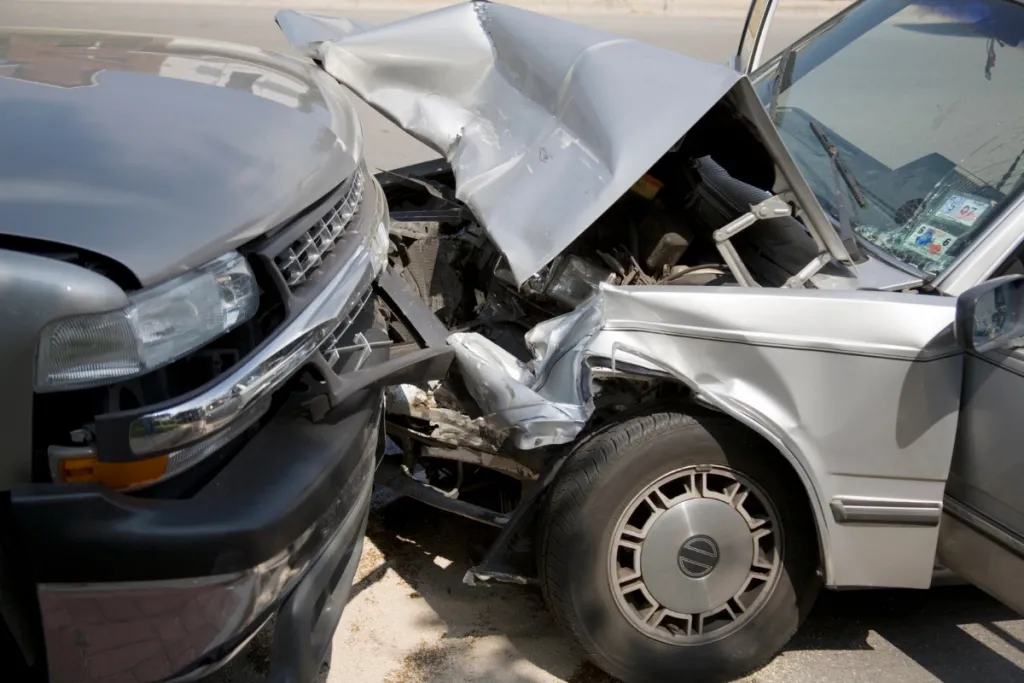
Head-on collisions are some of the scariest types of accidents. A tremendous force, loud noise, and an unexpected jerk can leave you shaken and confused, unsure of what to do next. Having a clear set of steps to follow during such times can significantly impact your safety, health, and ability to protect your legal rights.
Your first priority in such a situation would be to remain calm and ensure safety. Head-on collisions cause serious injury. As such, many victims seek help from head-on collision attorneys to help them deal with the insurance company and their options.
- Check Yourself and Others for Injuries
Even if you feel “okay,” adrenaline may flood your body, masking pain. Check for physical harm on yourself and others, and ask your companions if they are fine. If it is safe, check with the other driver and passengers. Do not dismiss any symptom, as some, like those in the head and neck, are not immediately visible.
- Move to a Safe Location if Possible
If your car is safe to drive and you can safely do so, pull off the road to a nearby parking lot. After a head-on crash, staying in the middle of the road puts you at risk from oncoming traffic. Turn on your hazard lights to alert oncoming traffic. Stay in your seat with your seat belt fastened until help arrives if the vehicle cannot move.
- Call 911 Right Away
Do not hesitate to phone emergency services as soon as the crash occurs, no matter how minor. Accidents involving frontal impact can cause serious injuries requiring immediate treatment. When officers show up, they will write up a formal crash report that eventually becomes important evidence for your case. If needed, paramedics can assess you on-site and suggest further treatment. Always perform this step to protect both your health and your documentation.
- Gather Evidence at the Scene
Start gathering information about the accident if you are able. Try to document:
- Images of the vehicle damaged from various angles.
- Images of the road, debris, skid marks, traffic signs, etc.
- The weather and lighting circumstances.
- The other driver’s details, including insurance and vehicle information,
- Contact details for witnesses.
These small bits of evidence can be useful later when negotiating with the insurance company or legally.
- Avoid Discussing Fault on the Scene
It is common to want to apologize or explain your beliefs about what happened, but it is best to wait. Even remarks made in jest can be misconstrued as an admission of liability. When talking to a police officer, stick to the facts.
- Get a Thorough Medical Evaluation
Schedule a comprehensive medical examination as soon as possible, even if you walked away from the collision without injuries. Damage from the head-on collision can lead to concussions, whiplash, or internal damage. If you are examined sooner, your health will be protected, and your injuries will be directly linked to the accident, which is essential for the insurance claim.
- Notify Your Insurance Company
Report the crash to your insurer promptly. Do not speculate as to how it happened or how extensive the damage is, but do provide accurate details. The insurance process can be overwhelming after a large accident, but making sure you report it on time will keep your claim moving.
- Consult a Lawyer if Needed
Seeking the advice of a lawyer can help you understand your rights if injuries occurred or fault is contested. A lawyer can review your unique situation and be beneficial to you as an attorney and a trusted advisor.
Key Takeaways
- Assess injuries immediately and get to safety.
- Call 911 and collect as much evidence as possible.
- Do not mention liability for the accident.
- Seek the doctor’s attention and report to the insurer.
- After an accident, consult legal advice for guidance.





Leave a Reply