
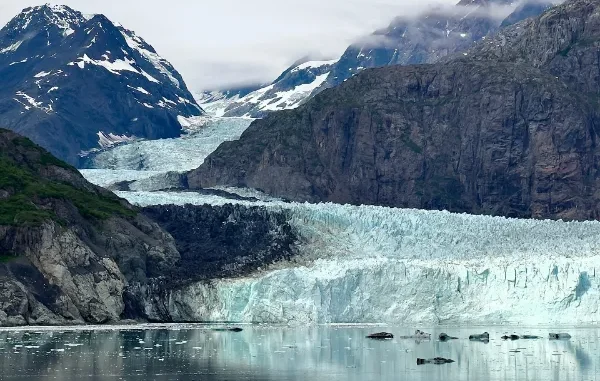
Alaska is a land of superlatives. It boasts the highest peak in North America, more coastline than the rest of the United States combined, and glaciers larger than entire countries. For travelers who crave the outdoors, it is the ultimate playground. But with such vast beauty comes a responsibility to protect it.
When Nature Wakes Up: Best Times to Visit
Alaska’s summer season is short, intense, and bursting with life. While the official tourism season runs from mid-May to mid-September, nature follows its own schedule.
Mid-May to June: This is the season of awakening. The land is shaking off the last of the snow, and waterfalls are roaring with meltwater. It is often the driest time of the summer. While some higher elevation trails might still be muddy or snowy, this is a prime time for spotting newborn wildlife like moose calves and bear cubs.
July: The height of summer brings the midnight sun. With nearly 24 hours of daylight in interior regions, you can hike at midnight and watch the sunrise at 3 AM. Wildflowers are in full bloom, painting the tundra in vibrant purples and pinks. This is also the peak of the salmon runs, which draws bears to the rivers—a bucket-list sight for many.
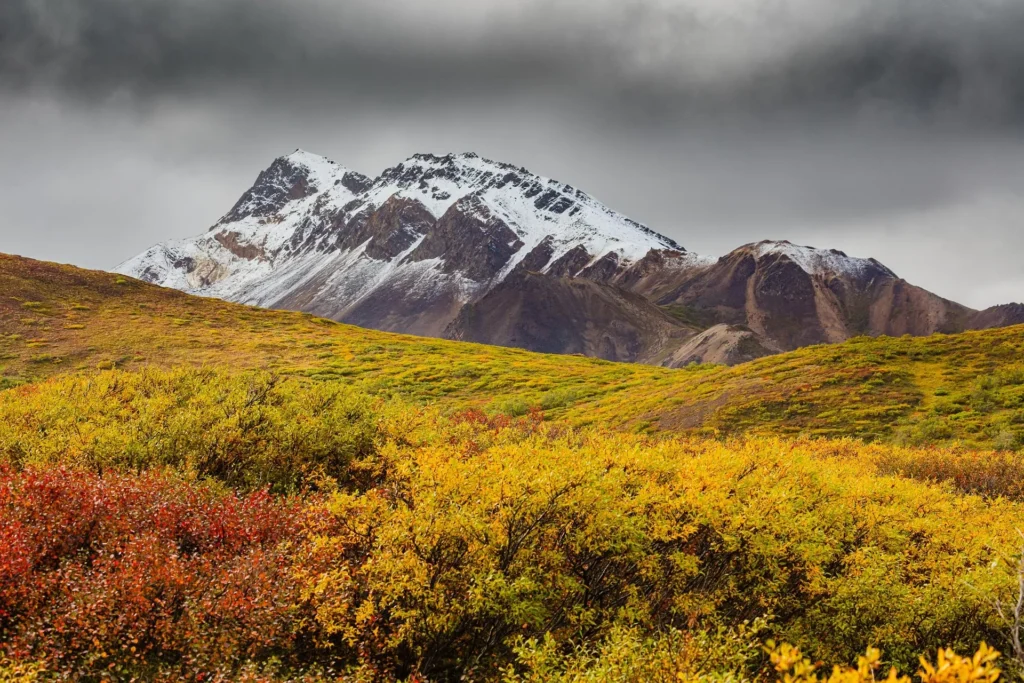
August to Mid-September: As summer winds down, the tundra begins to turn a stunning crimson and gold. Nights get darker, bringing the first chances to see the aurora borealis (Northern Lights) in the interior. This is also berry-picking season, a favorite local pastime. Rain becomes more frequent, so packing good gear is essential.
Top Destinations for Nature Enthusiasts
Alaska is massive, so trying to “see it all” is a recipe for exhaustion. Instead, focus on a few key regions that offer deep immersion into the natural world.
Denali National Park & Preserve
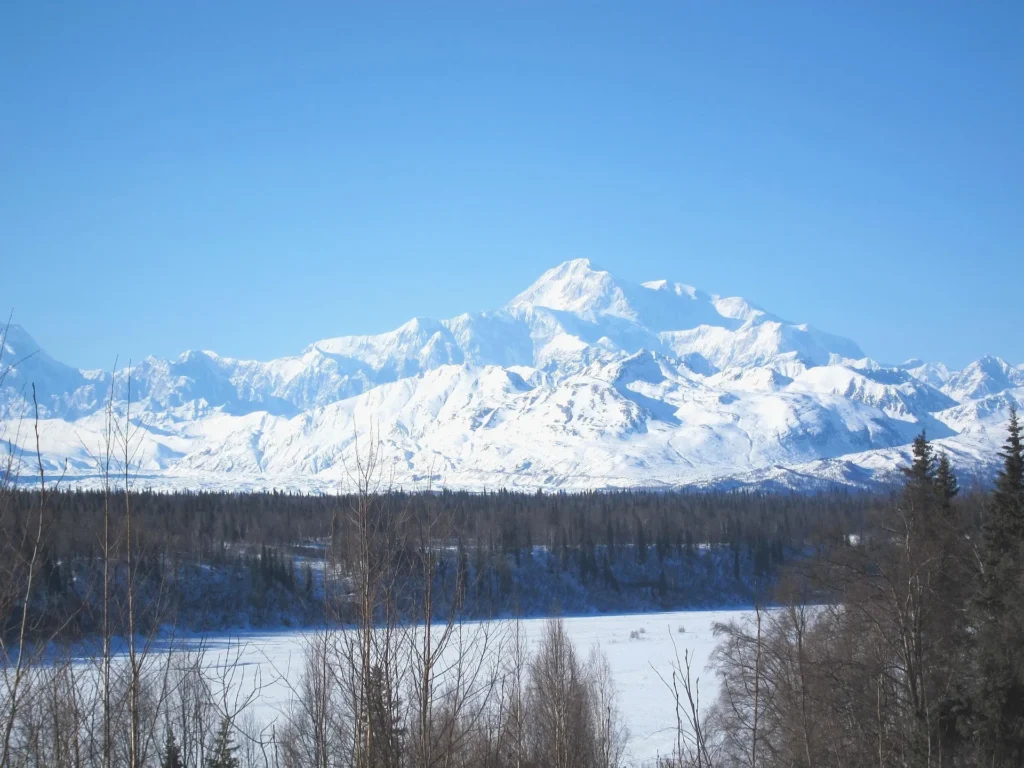
Denali is the crown jewel of the Alaskan interior. Dominated by the 20,310-foot Denali peak, this six-million-acre park is mostly designated wilderness. Unlike many national parks, Denali has only one road, which helps preserve the wildness of the area.
- Wildlife: The “Big Five” (moose, caribou, Dall sheep, wolves, and grizzly bears) all call this park home.
- Hiking: While there are marked trails near the entrance, much of the park is open for off-trail hiking. This allows you to forge your own path across the tundra—just be sure you are comfortable with navigation and backcountry safety.
Kenai Fjords National Park
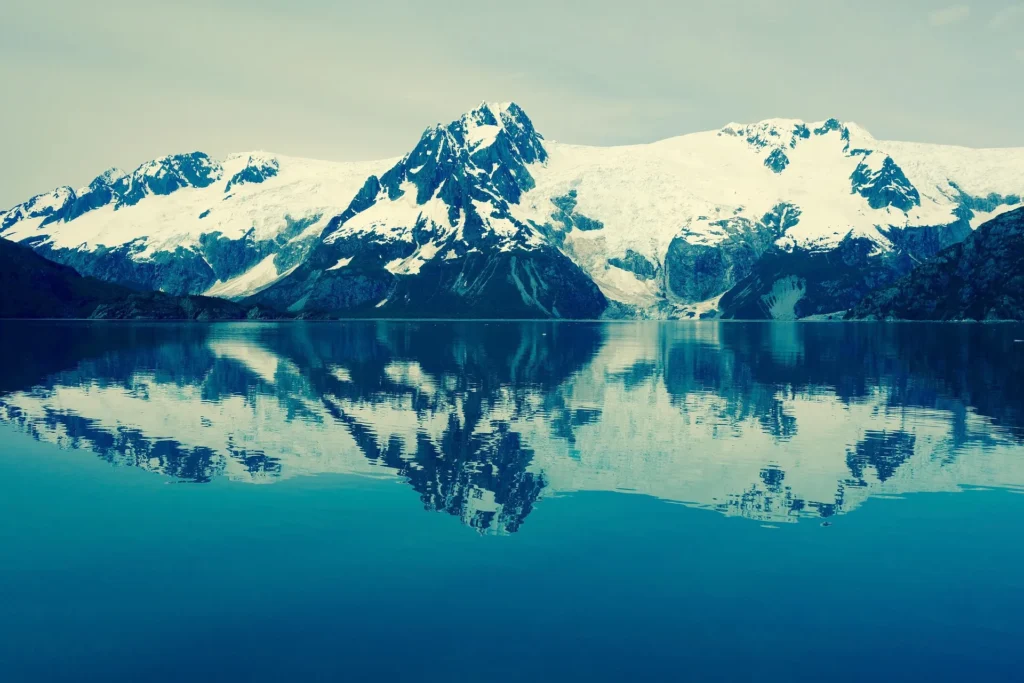
Located near the town of Seward, this park is where the ice age meets the ocean. It is crowned by the Harding Icefield, from which nearly 40 massive glaciers flow.
- On the Water: The best way to see this park is by boat. Glacier cruises take you right up to the face of tidewater glaciers, where you can hear the thunderous crack of calving ice.
- Marine Life: The nutrient-rich waters teem with life. Expect to see sea otters floating on their backs, humpback whales breaching, and puffins nesting on the rocky cliffs.
The Inside Passage
This stretch of protected ocean waters in Southeast Alaska is a maze of islands, fjords, and lush temperate rainforests.
- Tongass National Forest: As the largest national forest in the United States, the Tongass is a place of ancient Sitka spruce and western hemlock trees.
- Whale Watching: This is one of the best places in the world to see humpback whales bubble-net feeding—a cooperative behavior where whales blow bubbles to trap fish.
Sustainable Travel Tips for Alaska
The wilderness is fragile. As visitors, our actions have a direct impact on the environment and the animals that live there. Here is how to travel responsibly.
Respect Wildlife
Seeing a bear or moose in the wild is thrilling, but safety for both you and the animal is paramount.
- Keep your distance: Use the “thumb rule.” If you can cover the entire animal with your thumb while holding your arm straight out, you are at a safe distance. If not, back away slowly.
- Never feed wildlife: A fed bear is a dead bear. Animals that learn to associate humans with food often have to be euthanized.
- Store food properly: Whether camping or hiking, use bear-resistant containers to keep your snacks away from curious noses.
Choose Eco-Conscious Partners
Where you spend your money matters. Look for businesses that prioritize sustainability.
- Accommodations: Many lodges in Alaska are off-grid and use solar power or rainwater catchment systems. For anglers and nature lovers looking for a base, King Salmon, Alaska, lodging options often provide access to remote wilderness while adhering to responsible practices.
- Tour Operators: Choose companies that are “Adventure Green Alaska” certified. This certification ensures the operator meets specific standards for economic, environmental, and social sustainability.
Leave No Trace
The principles of Leave No Trace are the golden rules of outdoor ethics.
- Pack it in, pack it out: This includes everything from granola bar wrappers to apple cores.
- Stay on durable surfaces: When hiking, stick to established trails to avoid trampling sensitive vegetation. In areas without trails, spread out your group to minimize impact.
- Respect other visitors: Keep noise levels down to let nature’s sounds prevail.
Packing Essentials: Prepared for Anything
Alaska’s weather is notoriously fickle. You might experience sunshine, rain, wind, and even snow—all in a single day. The key to staying comfortable is layering.
- The Base Layer: Avoid cotton. Choose wool or synthetic materials that wick moisture away from your skin.
- The Insulating Layer: A fleece jacket or a light down puffy coat will keep you warm.
- The Shell: A high-quality, waterproof rain jacket is non-negotiable. Look for Gore-Tex or similar breathable fabrics. Rain pants are also a smart investment.
- Footwear: Waterproof hiking boots with good ankle support are essential for navigating uneven and often muddy terrain. Break them in before your trip to avoid blisters.
- Optics: A good pair of binoculars is worth its weight in gold. They will help you spot bears on distant hillsides or eagles perched in trees.
- Protection: Alaska’s mosquitoes are legendary. Bring a strong insect repellent and perhaps a head net if you plan on hiking in June or July. Don’t forget bear spray—and know how to use it.
Immersion Activities: Beyond the Sightseeing
To truly understand Alaska, you have to do more than just look at it; you have to participate in it.
Guided Wildlife Tours: While you can see animals on your own, a guide adds immense value. They know the animals’ habits and habitats, increasing your chances of a sighting. More importantly, they ensure these interactions are safe and respectful. Whether it is a boat tour to see orcas or a flightseeing trip to watch bears fishing at Brooks Falls, expert knowledge transforms a sighting into an educational experience.
Hiking and Trekking: There is a trail for every ability level in Alaska. You can take a gentle boardwalk stroll through a rainforest or embark on a multi-day backpacking adventure across a glacier. Hiking forces you to slow down and notice the small details: the texture of moss, the track of a wolf in the mud, or the taste of a wild blueberry.
Paddling: Kayaking puts you right at water level. Paddling quietly through a fjord allows you to approach wildlife like otters and seals without disturbing them. It also gives you a sense of scale as you gaze up at towering mountains rising straight from the sea.
Conclusion
Visiting Alaska is a reminder of how the world looked before modern development. The scale of the landscape puts human problems into perspective and offers a profound sense of peace. But this wilderness is not invincible. By planning your trip with nature in mind—choosing sustainable options, respecting wildlife, and leaving no trace—you become a steward of this incredible place. Your thoughtful travel ensures that the call of the wild remains strong for the next adventurer.


Leave a Reply