


Florida has one of the most complex and active medical malpractice environments in the United States. High patient volume, diverse healthcare settings, and a long history of litigation place Florida among the top states for malpractice claims and payout totals. For physicians, nurses, and healthcare organizations, understanding how medical malpractice works in Florida is essential for legal protection, financial planning, and patient safety.
This guide breaks down the major factors that shape medical malpractice in Florida, including legal rules, claim trends, high-risk specialties, insurance requirements, and practical steps providers can take to reduce exposure.

Why Medical Malpractice Is a Major Issue in Florida
Several factors make Florida a uniquely challenging malpractice landscape:
• A large and aging population
• High concentration of specialists and surgical practices
• Aggressive plaintiff activity in certain counties
• Significant jury awards in severe injury cases
• Continual legal debates around caps and tort reform
These realities increase both the frequency and severity of claims, which directly affect insurance premiums and professional risk.
Common Types of Medical Malpractice Claims in Florida
Malpractice claims in Florida often arise from:
1. Misdiagnosis or Delayed Diagnosis
One of the most common areas of litigation. Cancer, cardiac conditions, infections, and stroke are frequently involved.
2. Surgical Errors
Wrong-site procedures, retained instruments, or postoperative complications can lead to claims even when protocols were followed.
3. Emergency Room Claims
Florida has busy emergency departments, and time-sensitive decisions sometimes result in allegations of negligence.
4. Medication and Anesthesia Errors
Dosing mistakes, allergic reactions, and monitoring lapses are often cited in lawsuits involving hospitals and outpatient centers.
5. Birth Injuries
Obstetrics remains one of the highest-risk specialties due to the potential severity of infant or maternal complications.

Florida’s Medical Malpractice Laws: Key Points Providers Must Know
Florida has specific statutes that govern how malpractice cases are handled. Healthcare providers should be familiar with the following:
1. Statute of Limitations
A patient typically has 2 years from the date of discovery of the injury and no more than 4 years from the date of the incident. In cases involving fraud, concealment, or minors, this window may extend.
2. Pre-Suit Requirements
Florida requires a detailed pre-suit investigation before a lawsuit is filed, including medical expert review and a mandatory notice to the provider.
3. Expert Witness Qualifications
The expert testifying must practice in the same or a similar specialty as the defendant, which helps prevent weak claims supported by unqualified experts.
4. Damage Caps
Florida previously had caps on noneconomic damages, but the state’s Supreme Court ruled them unconstitutional. As a result, there is no current cap on non-economic damages in standard malpractice cases.
5. Comparative Fault Rules
If a patient’s actions contributed to the outcome, damages may be reduced proportionally.
Understanding these laws helps providers recognize what makes Florida a particularly active malpractice jurisdiction.
High-Risk Specialties in Florida
While all clinicians face malpractice exposure, certain specialties in Florida experience higher claim rates and premium costs:
• Obstetrics and gynecology
• Emergency medicine
• Neurosurgery
• Orthopedics
• Cardiology
• Anesthesiology
These specialties often handle high-acuity patients and procedures, increasing the likelihood of litigation.
Factors Influencing Malpractice Insurance Costs in Florida
Premiums in Florida tend to be higher than the national average due to:
• Claims frequency
• Large jury verdicts
• Regional legal climates
• Specialty-specific exposure
• Physician claims history
• Type of coverage chosen
• Practice location, especially in counties like Miami-Dade or Broward
Many physicians also explore discounts through risk management programs, clean claims history, and safe practice initiatives.
For tips on reducing premiums, you can explore Ways Doctors Can Lower Malpractice Premiums.
Claims Made Versus Occurrence Policies in Florida
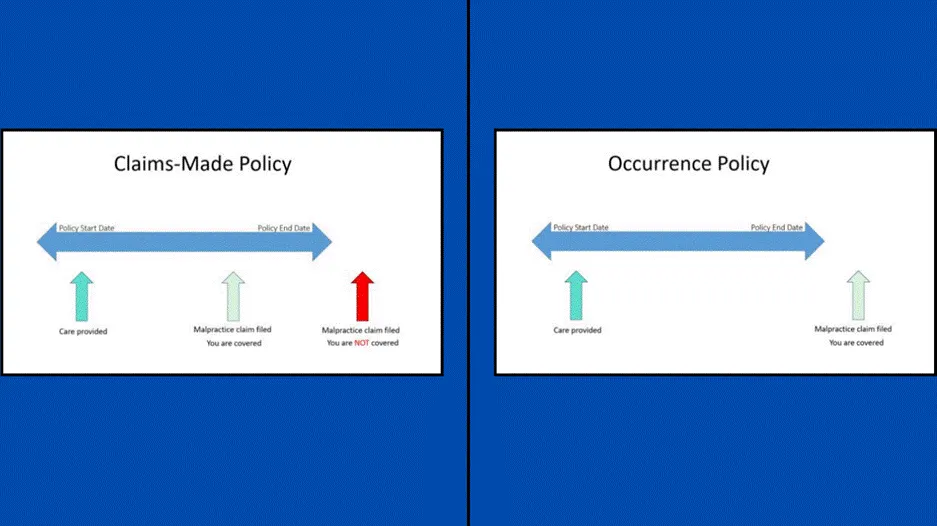
Physicians in Florida commonly choose between two policy structures:
Claims Made Policy
Covers incidents only if both the incident and the claim report happen while the policy is active. Tail coverage is required after leaving a job or switching insurers.
Occurrence Policy
Covers any incident that occurred during the policy period, regardless of when the claim is filed. No tail coverage is required.
Since malpractice lawsuits in Florida can be filed years after an event, understanding these policy structures is crucial.
Since malpractice lawsuits in Florida can be filed years after an event, understanding these policy structures is crucial. For a deeper explanation of how these models work across different practice settings, you can review this practical guide on claims made versus occurrence coverage.
The Role of Tail Coverage in Florida
Because claims often arise after a physician changes employers or relocates, tail coverage becomes essential for those with claims made policies. Without tail coverage, providers risk paying for lawsuits out of pocket.
Physicians in high-risk Florida counties often compare traditional tail coverage with standalone tail options to reduce cost while maintaining the same legal protection.
How Healthcare Providers Can Reduce Malpractice Risk
Improving patient safety and communication is the strongest defense against litigation. Florida providers can reduce risk by:
• Maintaining clear and detailed documentation
• Using informed consent discussions with patients
• Following strict preoperative and postoperative protocols
• Ensuring consistent patient follow-up
• Participating in risk management programs
• Improving communication within care teams
• Reviewing patient outcomes regularly
Strong communication is particularly important in Florida, where a significant percentage of malpractice claims involve misunderstandings or a lack of clarity.
A Smarter Way Forward for Florida Providers
Medical malpractice in Florida is complex, high-stakes, and continually evolving. Physicians and healthcare organizations that understand the legal environment, insurance requirements, and claim trends are better positioned to protect themselves.
Choosing the right malpractice insurance, understanding policy details, and adopting strong risk-management habits give providers the confidence to focus on quality care. With thoughtful planning and the right guidance, clinicians can navigate Florida’s challenging malpractice landscape with greater security and peace of mind.



Leave a Reply