

Renovation projects often focus on what will be built next, but success is equally dependent on what is removed first. Tearing out too much can increase costs and timelines, while removing too little can slow progress and complicate construction. Finding the right balance requires a controlled approach that prioritizes precision over force.
Selective removal focuses on taking out only what is necessary while preserving surrounding structures, systems, and finishes. This method is especially valuable in renovation work where existing elements must remain intact. Rather than full-scale teardown, projects benefit from careful dismantling that prepares the space efficiently. This approach is commonly known as Light Demolition and plays a critical role in modern renovation planning.
Property owners who partner with Dump Brothers Demolition often learn that selective removal creates cleaner transitions between old and new construction. Understanding how this process supports efficiency helps explain why precision demolition is essential for successful renovations.

Understanding selective removal in renovation contexts
Selective removal targets specific components such as walls, fixtures, or surfaces without disturbing the entire structure. This approach differs from full demolition, which removes everything down to the frame.
In renovation settings, preserving usable elements saves time and resources. Selective methods allow projects to move forward without unnecessary rebuilding.
Precision improves efficiency.
Why renovations demand controlled demolition
Renovations often occur in occupied or partially finished spaces. Excessive demolition increases dust, noise, and disruption.
Light Demolition limits impact by focusing only on designated areas. This control supports safer, cleaner job sites and smoother project flow.
Control reduces disruption.
Protecting structural integrity during renovations
Many renovation projects rely on existing load-bearing elements. Removing these accidentally can compromise safety and require costly reinforcement.
Selective removal identifies what can be taken out safely and what must remain. This planning preserves structural integrity while allowing updates to proceed.
Preservation prevents setbacks.
Supporting faster project timelines
Time efficiency is a major goal in renovation work. Over-demolition creates additional tasks such as rebuilding walls or rerouting systems.
By removing only what is necessary, selective demolition shortens preparation phases. Contractors can begin construction sooner without correcting avoidable damage.
Efficiency accelerates progress.
Reducing material waste and disposal needs
Full demolition generates large volumes of debris. Managing this waste adds cost and complexity to renovation projects.
Selective removal minimizes debris by limiting what is taken out. Reduced waste simplifies cleanup and disposal logistics.
Less waste supports sustainability.
Improving coordination with other trades
Renovation projects involve multiple trades working in sequence. Overly aggressive demolition can interfere with plumbing, electrical, or framing plans.
Light demolition Phoenix helps create clear, defined work zones that align with trade requirements. This coordination reduces rework and miscommunication.
Alignment improves teamwork.
Preserving existing finishes and features
Many renovations aim to update certain areas while preserving others. Floors, ceilings, or architectural details may need protection.
Selective removal allows these features to remain untouched. Protecting existing finishes saves replacement costs and maintains design continuity.
Preservation adds value.
Enhancing safety in active renovation sites
Occupied or partially occupied buildings pose additional safety challenges. Excess demolition increases exposure to hazards.
Controlled removal reduces risk by limiting unstable areas and debris movement. Safer environments support smoother daily operations.
Safety supports continuity.
Managing dust and noise more effectively
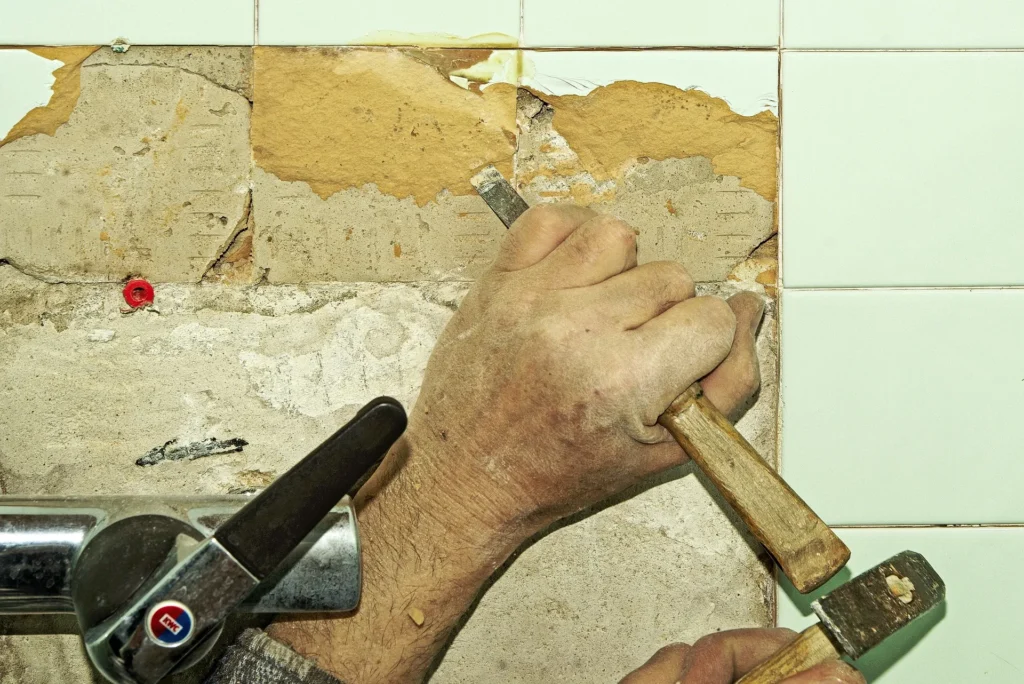
Dust and noise are common renovation complaints. Excessive demolition amplifies both, affecting occupants and neighboring spaces.
Selective methods reduce dust generation and limit noise exposure. This makes renovation projects more manageable in shared environments.
Reduced impact improves experience.
Supporting phased renovation strategies
Many renovations are completed in phases rather than all at once. Over-demolition disrupts this strategy.
Light Demolition supports phased work by isolating areas scheduled for updates. Other sections remain functional while work progresses.
Phasing improves flexibility.
Improving accuracy in renovation layouts
Renovations often require precise measurements for new installations. Over-demolition can remove reference points needed for accuracy.
Selective removal preserves layout markers and existing dimensions. This accuracy supports better fit and finish in the final build.
Precision supports quality.
Reducing unexpected repair costs
Removing too much can damage hidden systems such as wiring or plumbing. These repairs add cost and delay.
Selective demolition identifies and avoids sensitive areas. Preventing accidental damage protects renovation budgets.
Prevention reduces surprises.
Supporting sustainability goals in renovations
Sustainable renovation focuses on reuse and minimal waste. Full demolition conflicts with these goals.
Light Demolition aligns with sustainability by preserving materials and reducing landfill contributions. This approach supports responsible building practices.
Efficiency supports sustainability.
Enhancing adaptability for design changes
Renovation plans sometimes evolve as work progresses. Over-demolition limits flexibility.
Selective removal keeps options open by maintaining existing elements that can be incorporated into revised designs.
Flexibility supports better outcomes.
Improving communication between stakeholders
Clear demolition boundaries help owners, designers, and contractors stay aligned. Overly broad removal creates confusion.
Selective plans define scope clearly. Everyone understands what will be removed and what will remain.
Clarity improves collaboration.
Supporting cleaner transitions to construction
Construction progresses more smoothly when demolition leaves a clean, well-defined site. Over-demolition creates irregular surfaces and extra prep work.
Selective removal prepares surfaces intentionally. This supports faster, cleaner construction starts.
Preparation supports momentum.
The importance of professional execution
Selective removal requires skill and experience. Mistakes can undermine efficiency and safety.
Midway through renovation planning, Dump Brothers Demolition applies professional methods to ensure Light Demolition is executed with precision and control. Expertise ensures that removal supports rather than hinders renovation goals.
Experience ensures accuracy.
Reducing stress for property owners
Renovations are already stressful. Unexpected demolition issues add frustration and uncertainty.
Controlled removal reduces surprises and keeps projects predictable. Owners gain confidence in the process.
Predictability reduces stress.
Supporting renovations in occupied spaces
Some renovations occur while buildings remain in use. Over-demolition disrupts daily operations.
Selective methods allow work to proceed with minimal interference. This is especially valuable in commercial or residential occupied spaces.
Continuity supports usability.
Long-term benefits of selective demolition
The benefits of controlled removal extend beyond preparation. Preserved structures, reduced waste, and smoother construction all contribute to better results.
Property owners who work with Dump Brothers Demolition often find that Light Demolition supports efficient renovation projects by balancing precision with progress. By removing only what is necessary and protecting what remains, selective demolition creates a strong foundation for successful renovations that stay on schedule, on budget, and aligned with long-term goals.




Leave a Reply