

In our ever-evolving society, the demand for quick and trustworthy drug testing methods has gained significance for both employers and individuals. Discounted drug tests offer an accessible solution, providing accurate assessments without compromising quality or integrity. With increased awareness about substance abuse in professional environments and personal lives, having tests that deliver results promptly is essential. In this text, we’ll explore the various testing methods available, the importance of swift results, and key considerations for implementing drug tests effectively.
Understanding Drug Testing Methods
When discussing drug testing, it’s vital to understand the different methods that exist. Testing can be conducted through several mediums including urine, saliva, hair, and blood. Each method offers unique advantages and disadvantages, affecting both accuracy and convenience.
Urine Testing is one of the most common methods employed due to its cost-effectiveness and ease of collection. It can detect a variety of substances, typically within a window of a few days to a week.
Saliva Testing has gained popularity for its non-invasive approach and quicker turnaround time. This method is effective for detecting recent drug use, generally within a 24 to 72 hour window.
Hair Testing involves analyzing a small sample of hair to provide a longer detection window, sometimes up to several months. But, it may not be suitable for detecting very recent drug use.
Blood Testing, while providing the most accurate results, is less common due to its invasive nature and higher costs. This method can confirm drug levels in the system, making it crucial for situations where precision is necessary.
Understanding these different methods helps us appreciate their applications within both workplace settings and personal circumstances.
Types Of Drug Tests Available
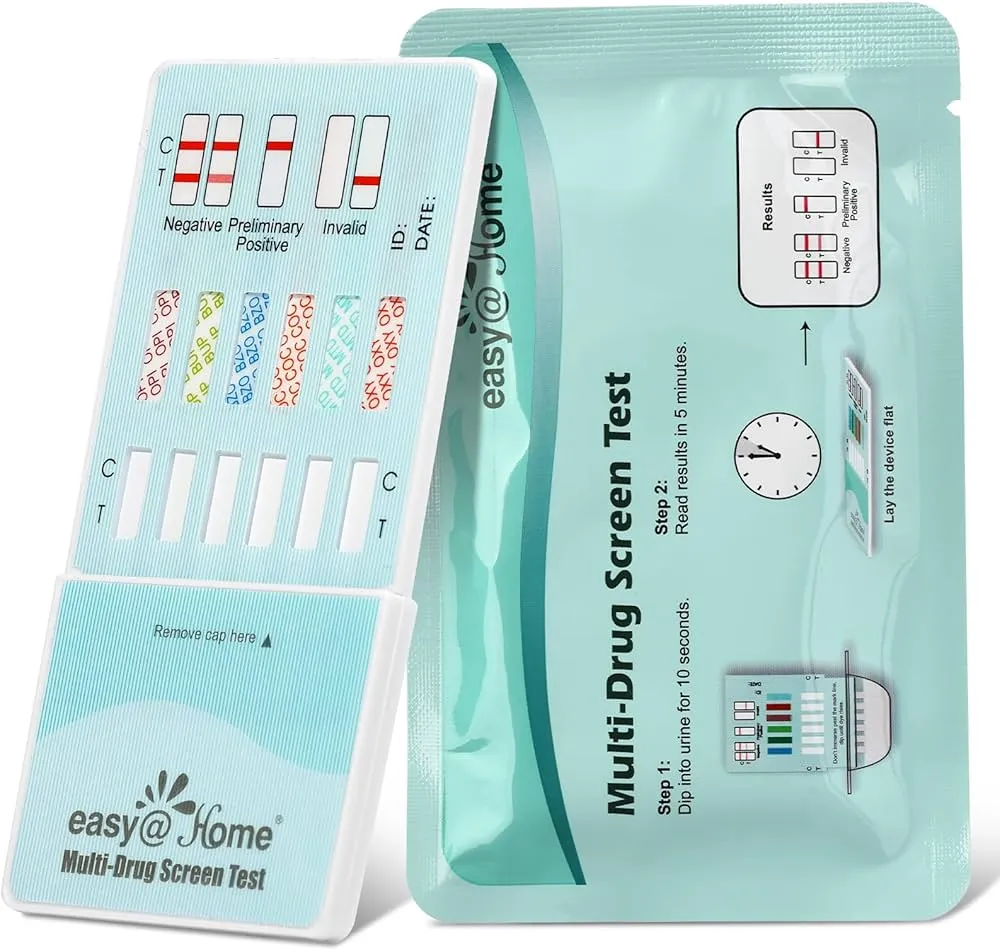
Drug tests can be broadly categorized based on their complexity and the substances they are designed to detect. Here, we will outline the main types of drug tests we might encounter:
- Standard Panels: These tests usually screen for common substances like marijuana, cocaine, opiates, amphetamines, and PCP. Standard panels are commonly used in workplace environments due to their efficiency in covering most illicit drugs.
- Extended Panels: For environments requiring more thorough testing, extended panels include additional substances such as benzodiazepines, barbiturates, and synthetic cannabinoids. These tests are often employed when there are higher stakes involved, such as safety and legal compliance.
- Random Tests: Often used in workplaces, random tests help deter drug use by ensuring employees know they could be tested at any time. This unpredictability reinforces a drug-free environment.
- Pre-employment Screening: Many employers require job candidates to pass a drug test before hiring. This practice minimizes the risk of employing individuals who may pose a risk to the workplace due to substance abuse.
- Post-accident Testing: If a workplace incident, conducting drug tests can provide key insights about whether substance use played a role. This type of testing is often stipulated by workplace policies and regulations.
Factors Influencing Drug Test Results
Understanding the factors that can influence our drug test results is essential for accurate interpretation. Here are several key considerations:
- Timeframe of Use: Different drugs metabolize at varying rates. For instance, marijuana may stay in a person’s system for weeks, while cocaine might only be detectable for a few days. It’s imperative to consider when the drug was last used.
- Body Composition: Individual body factors such as weight, metabolism, and hydration levels can affect drug detection. A person with a higher body fat percentage may retain substances for longer periods.
- Drug Formulation: Prescription medications or synthetic drugs can confuse test interpretations. It’s crucial to account for any medications being taken regularly, which might yield false positives.
- Testing Methodology: The method used for testing significantly impacts results. For instance, urine tests may detect substances over a longer duration compared to saliva tests.
The Importance Of Fast Results
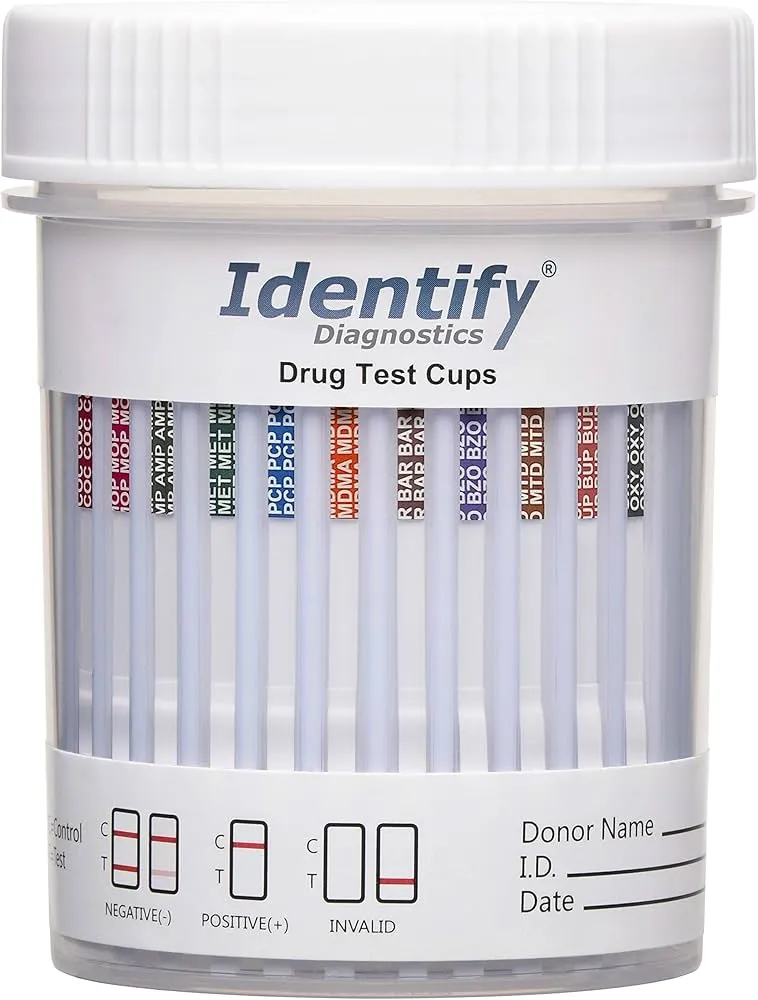
In both personal and professional settings, the need for quick drug test results cannot be overstated. Fast results impact our ability to make informed decisions about employment, safety planning, and treatment options.
For employers, receiving test results promptly enables them to act swiftly in hiring, promotion decisions, or addressing potential substance abuse issues among employees. Delayed results can hamper productivity and create a riskier work environment.
On the individual level, fast drug test results can significantly reduce anxiety, especially when testing is required for employment or legal matters. Knowing the outcomes quickly allows individuals to plan their next steps appropriately.
Choosing The Right Drug Test For Your Needs
Selecting the appropriate drug test depends on various factors, including the substances you wish to detect, the setting in which the test will occur, and your timeline for receiving results.
- Substance Specificity: Determine which drugs are a concern. If only testing for specific substances, a standard panel may be sufficient. But, if comprehensive testing is required, opt for extended panels.
- Timing and Environment: Consider whether the testing will occur in a workplace or for personal reasons. Random or pre-employment tests may require different approaches compared to voluntary personal testing.
- Budget: Prices can vary widely among different drug tests. We should weigh the costs against the stakes of obtaining accurate results.
Implementing Drug Testing In The Workplace
When we consider implementing drug testing in the workplace, creating a comprehensive policy is paramount. This policy should outline the reasons for testing, the substances tested for, and the procedures involved.
Also, it is critical to communicate openly with employees about drug testing. They should understand that the goal is to foster a safe workplace, not to invade privacy.
Regular training for supervisors on how to handle positive results or issues arising from drug testing can manage the potential fallout and ensure compliance with established policies. It’s also important to periodically review and update testing policies to accommodate changes in laws and workplace dynamics.
Legal And Ethical Considerations
As we navigate the realm of drug testing, awareness of legal and ethical considerations is crucial. Employers must adhere to federal, state, and local laws about the implementation and consequences of drug testing.
Ethically, we should ensure that testing methods respect employees’ rights while balancing workplace safety. It’s imperative to establish protocols for handling positive results confidentially and providing employees with support if needed.
Also, considering the impact of drug testing on minority groups and ensuring non-discriminatory practices can help maintain an equitable workplace.
Conclusion
To conclude, fast and reliable drug tests play an essential role for both employers and individuals. By understanding the methods, types, and implications of drug testing, we can navigate this complex arena with confidence. Whether it’s ensuring the safety and integrity of a workplace or addressing personal health concerns, being informed is our best asset. As drug testing technology continues to advance, embracing these insights will equip us well for the challenges ahead.





Leave a Reply