
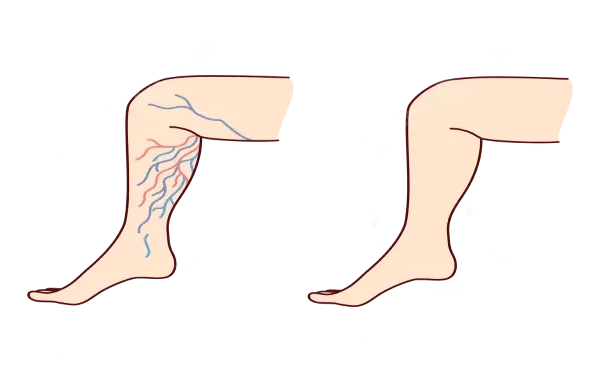
Varicose veins can be more than just a cosmetic concern: they can affect our overall health and comfort. In this comprehensive guide, we will explore what varicose veins are, their causes, symptoms, and various treatment options. Whether you’re experiencing discomfort or just want to learn more about this common condition, we’ve got you covered. For those seeking professional care, searching for a Metro Vein Centers can help you find specialists who provide tailored treatments to manage symptoms and improve leg health.
What Are Varicose Veins?
Varicose veins are enlarged, twisted veins that often appear blue or dark purple. They usually develop on the legs and feet due to increased pressure in the veins. When the valves in our veins fail to function properly, blood can pool, causing the veins to bulge outwards. This condition is quite common, affecting millions of people, especially women. While they can be visually unappealing, varicose veins can sometimes lead to more serious health issues, making understanding them crucial.
Causes of Varicose Veins
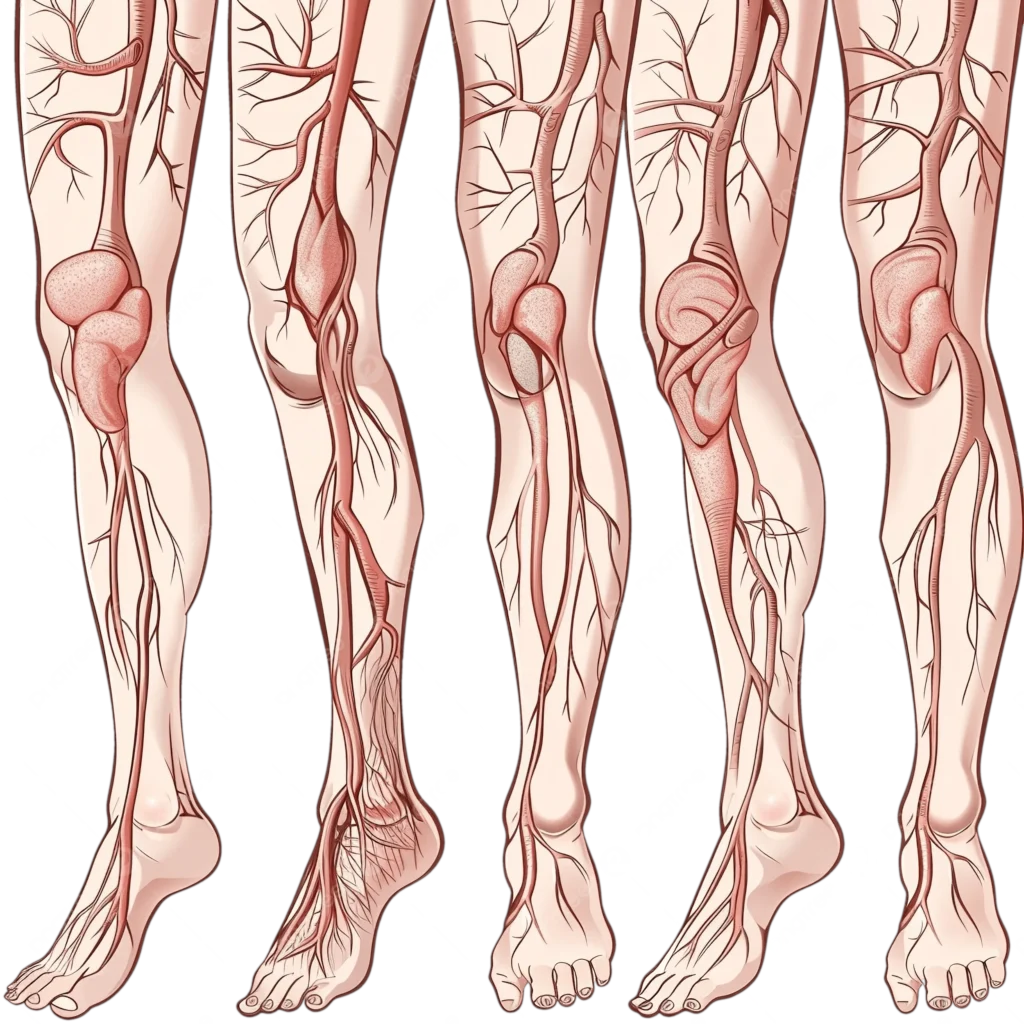
Several factors contribute to the development of varicose veins. Firstly, genetics play a significant role: if our parents or siblings have had varicose veins, we may be more likely to develop them ourselves. Other contributing factors include:
- Age: As we get older, the valves in our veins can weaken.
- Hormonal Changes: Hormonal shifts during pregnancy, menstruation, or menopause can impact vein health.
- Obesity: Excess weight puts additional pressure on our veins.
- Sedentary Lifestyle: Spending long periods standing or sitting can hinder proper blood flow.
- Injury: Previous injuries to the legs may also affect vein function.
Understanding these causes can help us make informed decisions about prevention and treatment.
Symptoms and Diagnosis
The symptoms of varicose veins can vary from person to person. Common signs include:
- Swelling in the legs and ankles
- A feeling of heaviness or aching in the legs
- Discoloration of the skin near the affected veins
- Cramping or burning sensations
- Itching around the veins
If we notice these symptoms, it’s important to consult a healthcare professional. They can perform a physical examination, review our medical history, and possibly recommend a Doppler ultrasound to assess blood flow in the veins. Early diagnosis is key to managing varicose veins effectively.
Treatment Options for Varicose Veins
Several treatment options are available for varicose veins, depending on the severity of the condition:
Lifestyle Changes
For mild cases, simple lifestyle changes can make a difference. Increasing physical activity, maintaining a healthy weight, and avoiding prolonged standing can help alleviate symptoms.
Compression Stockings
These specialized stockings can improve blood circulation and reduce swelling. They exert gentle pressure on the legs, helping veins function more effectively.
Sclerotherapy
In this treatment, a solution is injected into the affected veins, causing them to collapse and fade. This is often effective for smaller veins and requires minimal downtime.
Laser Treatments
Laser therapy uses focused light to target and shrink varicose veins. This non-invasive option can be ideal for those seeking a quick and effective solution.
Surgery
In more severe cases, surgical options such as vein stripping and ligation may be necessary. These procedures aim to remove or tie off the problematic veins.
Prevention Strategies
Preventing varicose veins is possible through a combination of proactive measures:
- Stay Active: Regular exercise, especially activities that work our legs, promotes healthy circulation.
- Manage Weight: Keeping our weight in check can reduce pressure on our veins.
- Elevate Legs: Whenever possible, elevating our legs can improve blood flow.
- Wear Comfortable Shoes: Avoiding high heels can help: instead, opt for supportive footwear.
- Avoid Long Periods of Sitting or Standing: Taking breaks to move around can significantly benefit vein health.
Living with Varicose Veins
Living with varicose veins can be challenging, particularly if they cause discomfort. Here are some tips for managing the condition:
- Educate Yourself: Understanding varicose veins empowers us to make informed choices about our health.
- Join Support Groups: Connecting with others who experience similar issues can provide emotional support and practical advice.
- Follow Doctor’s Advice: Regular check-ups and adhering to treatment options can help us manage symptoms effectively.
Conclusion
Varicose veins are a common yet often misunderstood condition. By educating ourselves on their causes, symptoms, and treatment options, we can take proactive steps toward managing our vein health. Whether through lifestyle changes, compression therapy, or more advanced treatments, there are numerous ways to address the impact of varicose veins on our lives. Let’s stay informed and empowered about our health, ensuring that varicose veins don’t hold us back.



Leave a Reply