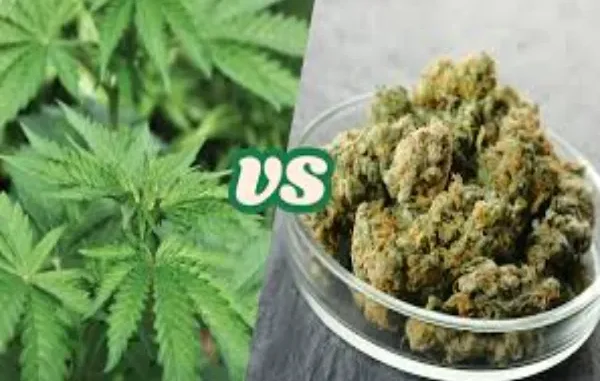
If you’ve ever browsed a wellness store, read about CBD online, or followed cannabis legalization news, you’ve probably seen the words cannabis and hemp used almost interchangeably.
At first glance, they seem like the same plant—and technically, they are. But in practice, cannabis and hemp are treated very differently, grown for different purposes, and understood in completely different ways by consumers and regulators.
So what actually separates cannabis from hemp? The answer goes beyond a single chemical or legal definition. It involves history, chemistry, culture, and how humans have chosen to use the plant over time.
Let’s break it all down in a simple, human way.
Understanding the Cannabis Plant Family
Both cannabis and hemp come from the same plant species: Cannabis sativa L. That’s the scientific umbrella they both live under. However, over centuries, humans selectively bred this plant for very different reasons.
Some versions were cultivated for strong psychoactive effects. Others were bred to be tall, fibrous, and useful for rope, textiles, and paper. Over time, these purposes created two very distinct categories we now call cannabis and hemp.
Think of it like dog breeds. A Chihuahua and a Great Dane are both dogs, but they serve very different roles and look nothing alike.
THC Content: The Biggest Difference
The most important distinction between cannabis and hemp comes down to one compound: THC (tetrahydrocannabinol).
Cannabis is grown specifically to contain higher levels of THC, the compound responsible for the “high” associated with marijuana use. Depending on the strain, cannabis flower can contain anywhere from 5% to over 30% THC.
Hemp, on the other hand, is legally defined by its low THC content. In many countries, including the U.S., hemp must contain no more than 0.3% THC by dry weight. That amount is far too low to produce any intoxicating effect.
This single chemical difference is what shapes how each plant is regulated, sold, and perceived.
CBD and Other Cannabinoids
While hemp lacks high THC levels, it often contains CBD (cannabidiol) in significant amounts. CBD is non-intoxicating and is widely used for wellness purposes such as relaxation, sleep support, and stress management.
Cannabis can also contain CBD, but many modern strains are bred to prioritize THC instead. That’s why CBD oils, gummies, and topicals almost always come from hemp rather than cannabis—it’s simply more practical and legal in many regions.
Beyond THC and CBD, both plants contain dozens of other cannabinoids and terpenes. The difference isn’t what compounds exist, but which ones dominate.
Legal Status and Regulation
Legally speaking, cannabis and hemp live in two different worlds.
Cannabis with high THC content is often regulated as a controlled substance, depending on local laws. In some places it’s legal for medical use, in others for recreational use, and in many regions it’s still restricted.
Hemp, however, is typically classified as an agricultural commodity. Once it meets the low-THC threshold, it can be grown, processed, and sold under farming and wellness regulations rather than drug laws.
This legal distinction is why you can buy hemp-derived products online or in wellness shops, while THC-rich cannabis is usually sold through licensed dispensaries.
Uses: Very Different End Goals
How Cannabis Is Used
Cannabis is primarily cultivated for:
- Recreational use
- Medical applications
- Controlled therapeutic dosing
- Adult-use markets
The flowers are the most valuable part of the plant, carefully grown for potency, aroma, and flavor.
How Hemp Is Used
Hemp is one of the most versatile plants on Earth. It’s used for:
- CBD and wellness products
- Textiles and clothing
- Paper and packaging
- Bioplastics
- Building materials
- Food products like hemp seeds and oil
In hemp farming, the entire plant is valuable—not just the flower.
This difference in use is why hemp fields look tall and dense, while cannabis plants are often shorter, bushier, and grown with spacing to maximize flower development.
Growing and Cultivation Differences
Cannabis cultivation is usually highly controlled. Growers focus on lighting, nutrients, humidity, and genetics to maximize cannabinoid content. Because the flowers are the main product, every detail matters.
Hemp is often grown on a much larger scale, similar to corn or wheat. It’s hardy, fast-growing, and requires fewer inputs. Farmers are usually more focused on yield and fiber quality than cannabinoid potency.
This contrast makes hemp more accessible for industrial and wellness markets, while cannabis remains a premium, regulated crop.
Cultural Perception and Stigma
Cannabis has long carried social stigma due to decades of prohibition, misinformation, and association with drug policy debates. Even as legalization spreads, that stigma hasn’t completely disappeared.
Hemp doesn’t carry the same baggage. Historically, it was used for rope, sails, and clothing long before modern drug laws existed. Today, hemp is widely viewed as a sustainable, eco-friendly resource rather than a controversial substance.
This difference in perception plays a major role in how products are marketed and accepted by the public.
Why the Difference Matters to Consumers
Understanding the difference between cannabis and hemp helps you make better choices as a consumer.
If you’re looking for psychoactive effects, hemp products won’t deliver that experience. If you want non-intoxicating wellness support, hemp-derived products are often the better and more accessible option.
It also helps you avoid confusion when shopping online, especially with CBD products and emerging wellness brands like biowellnessx, where clarity and transparency matter.
Knowing what you’re buying—and why it works the way it does—empowers you to use these plants responsibly.
The Bottom Line
Cannabis and hemp may come from the same species, but they serve very different purposes. Cannabis is defined by higher THC content and psychoactive effects, while hemp is defined by its low THC levels and broad industrial and wellness applications.
The difference isn’t just legal—it’s practical, cultural, and scientific. Once you understand that, the confusion fades, and the conversation around these plants becomes much clearer.
As interest in plant-based wellness and sustainable materials continues to grow, both cannabis and hemp will play important roles—just in very different ways.




Leave a Reply