
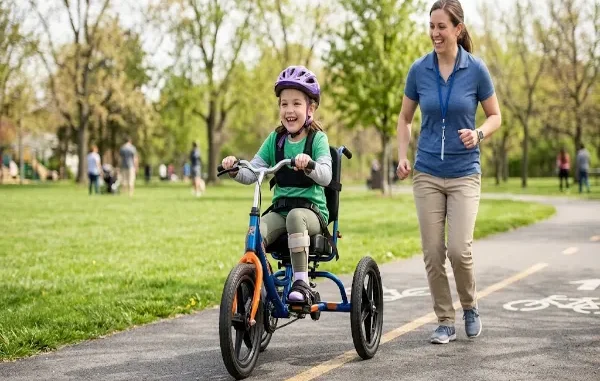
When a child struggles with mobility challenges or developmental delays, traditional physical therapy can feel repetitive and discouraging. Adaptive cycling equipment bridges this gap by transforming rehabilitation into something that feels like recreation. The equipment accommodates various physical limitations while allowing children to build strength, improve coordination, and develop confidence without feeling as though they are undergoing treatment. By meeting legitimate therapeutic objectives within an enjoyable activity, adaptive cycling serves a dual purpose that benefits both young riders and the clinicians supporting them.
Building Strength and Muscle Development Through Adaptive Cycling
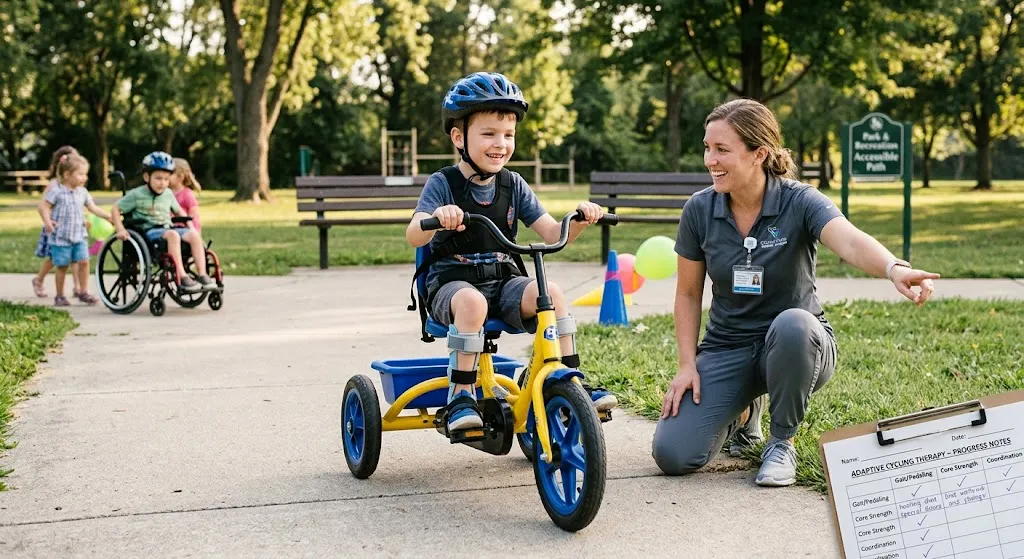
Adaptive cycling equipment supports muscle development in ways that standard therapy sessions often cannot match. When children ride adaptive cycles designed for their specific needs, they engage major muscle groups through repetitive, purposeful movement. The legs, core, and arms all work together to propel the bicycle forward, creating a comprehensive strength-building experience that develops over time without feeling forced or clinical. Children naturally want to ride longer and cover greater distances, which means they accumulate therapeutic benefit through extended activity rather than brief, structured sessions.
Each rotation of the pedals repeats the same muscular engagement, which is precisely what physical therapy requires for meaningful progress. Unlike isolated exercises performed in a therapy room, cycling feels like play because it has an inherent goal: moving forward through space. A child riding an adaptive tricycle or hand cycle toward a destination is not thinking about muscle strengthening but about the journey, the wind, and the freedom of moving independently. This psychological shift makes sustained physical effort feel effortless, which ultimately leads to greater gains in strength and endurance than brief, isolated exercises alone could produce.
Improving Balance and Coordination Development
Balance and coordination represent critical developmental milestones that many children with physical challenges struggle to achieve. Adaptive cycling equipment provides a stable platform where children can practice these skills in a forgiving environment. Three-wheeled designs offer lateral stability while still requiring the rider to engage their core and maintain upright posture. As children grow more confident and capable, they can progress to equipment that demands increasingly sophisticated balance control, creating a natural progression path that matches their developing abilities.
Coordination improvements come from the need to manage multiple movements simultaneously. The rider must coordinate leg pedaling with steering, maintain balance while turning, and adjust weight distribution as terrain changes. These coordinated movements strengthen neural pathways and develop the mind-body connection that is central to physical therapy goals. Because the child is focused on riding rather than on a therapeutic objective, the coordination practice feels organic and natural, and the repetition that builds these skills happens automatically through the enjoyment of the activity.
Fostering Independence and Psychological Well-being
Beyond the physical benefits, adaptive cycling equipment profoundly impacts a child’s sense of autonomy and self-worth. Many children with physical limitations experience restrictions on independent movement, which can lead to frustration, anxiety, and reduced confidence. Adaptive cycling provides a vehicle, both literally and figuratively, for independent exploration and play. When therapists are working to support a child’s mobility and confidence through structured outdoor activity, a Rifton adaptive tricycle for kids provides the postural support and customizable fit that help children participate safely and independently. A child who uses an adaptive cycle can join neighborhood rides, visit parks, and explore their environment at their own pace without requiring constant adult assistance for the actual movement.
This independence carries psychological weight that standard therapy does not always provide. When a child can move under their own power, they experience genuine accomplishment and control over their physical environment. The confidence that builds from this independence extends beyond cycling into other areas of life, including school performance, social interactions, and willingness to attempt new physical challenges. Adaptive cycling equipment therefore supports not just physical therapy goals but the whole-child development that therapists and parents recognize as essential for long-term well-being.
Integrating Adaptive Cycling Into a Comprehensive Therapy Plan
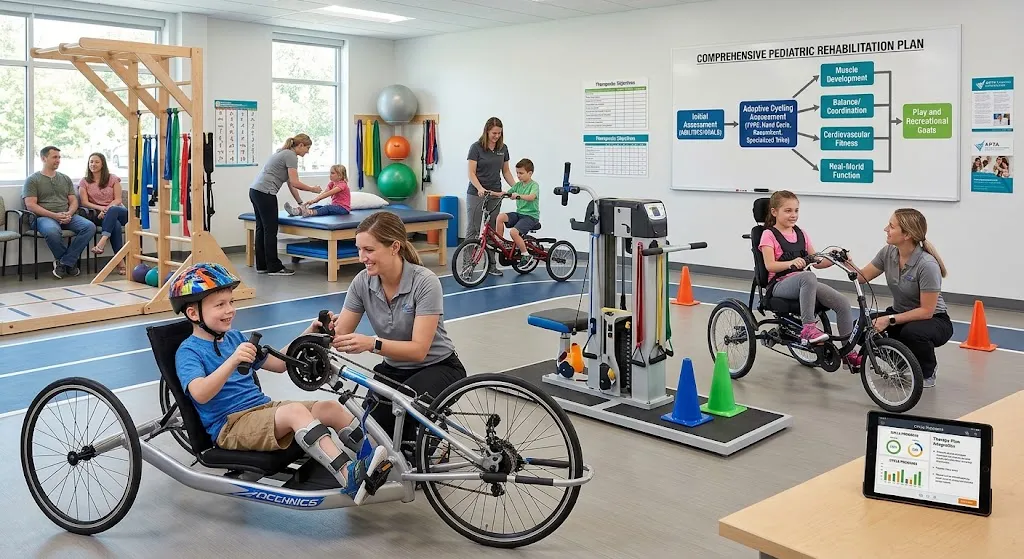
Adaptive cycling equipment works most effectively when integrated thoughtfully into a broader physical therapy and rehabilitation plan. Physical therapists can assess which type of adaptive cycle best matches a child’s current abilities and therapeutic goals, whether that means a hand cycle for a child with lower limb limitations, a recumbent tricycle for someone needing additional trunk support, or a standard adaptive tricycle with specialized modifications. The equipment should complement rather than replace traditional therapy, functioning as a bridge between clinical treatment and real-world physical activity.
Healthcare providers and parents benefit from understanding the specific therapeutic properties of adaptive cycling within their child’s individual context. Different types of adaptive equipment address different goals, and the choice should reflect the child’s abilities, limitations, and long-term objectives. Some children may use adaptive cycling primarily for cardiovascular fitness and strength, while others may focus more heavily on balance and coordination development. Communication between the physical therapist, occupational therapist, parents, and the child ensures that the cycling experience supports the established therapy plan while remaining enjoyable and age-appropriate. For additional guidance on how cycling activity supports pediatric rehabilitation outcomes, the American Physical Therapy Association offers evidence-based clinical practice resources for therapists working with pediatric populations.
Conclusion
Adaptive cycling equipment represents a meaningful intersection of therapeutic necessity and childhood joy. The equipment enables children to build strength, improve balance and coordination, and develop independence while experiencing the pleasure of riding. Parents and therapists who incorporate adaptive cycling into a child’s therapeutic journey often observe sustained progress and increased motivation compared to traditional therapy alone. The key lies in selecting equipment that matches the child’s specific needs and abilities while maintaining the focus on play and exploration. By allowing therapy to feel like recreation, adaptive cycling supports the physical and psychological goals that enable children to thrive.





Leave a Reply