
Most people blame the sun. It is the obvious suspect, park in direct light for a few summers and the dashboard fades, everyone assumes that is simply what happens. The sun is genuinely part of the story, but it is rarely the whole story, and treating it as the only cause means missing the actual fix that would slow the damage down.
The Product Sitting in Most Garages Is Making It Worse
Walk down any auto care aisle and the majority of dashboard sprays are built around one selling point, a glossy, wet look shine straight out of the bottle. That gloss usually comes from silicone, and silicone does something most people never expect, it traps heat against the plastic surface it is applied to. Combine that trapped heat with direct sunlight through a windshield, and the fading process that people blame entirely on UV exposure actually accelerates because of the very product meant to protect the dash.
- Silicone based dashboard sprays trap heat against the plastic surface
- That trapped heat speeds up the exact fading UV exposure already causes
- A glossy finish also tends to attract more dust, which adds surface wear over time
- The shine wears off within days, meaning the cycle of reapplying repeats constantly
What a Non Silicone Approach Actually Does Differently
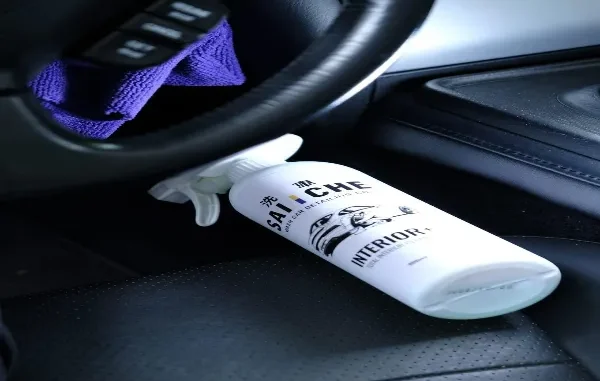
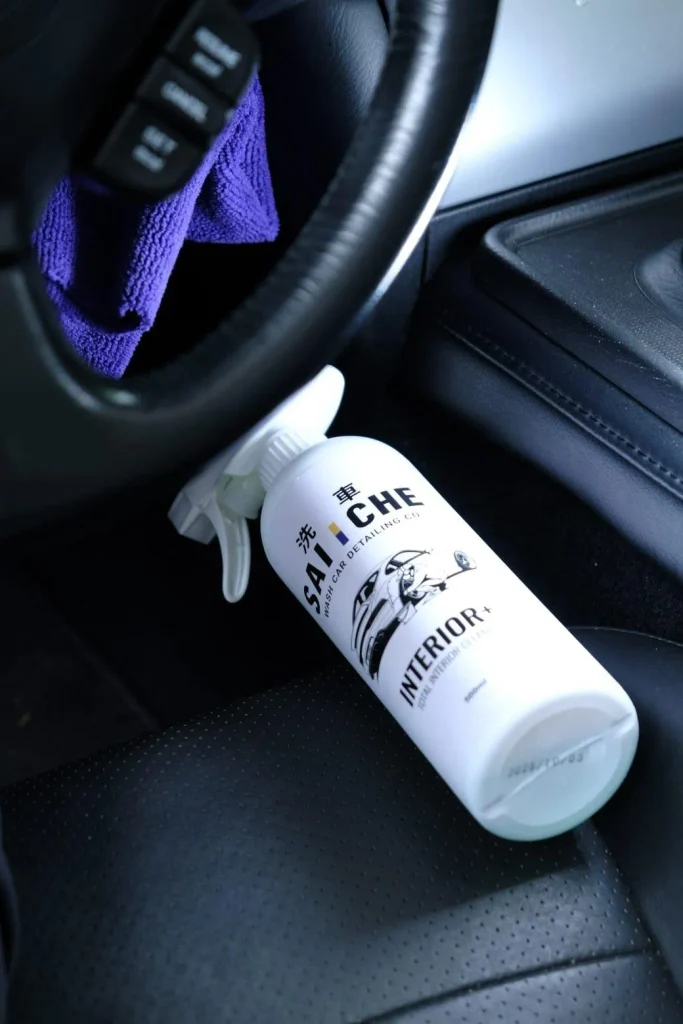
A cleaner built without silicone removes dust and light buildup while leaving a matte, factory correct finish rather than an artificial shine. SAI CHE Interior+ is formulated this way specifically, which means the dash is not carrying an extra heat trapping layer every time it sits in direct sun.
This does not stop UV fading entirely, nothing short of keeping a car in a garage full time can do that, but it removes one of the two compounding factors that make dashboards fade faster than they should. Over a few years of regular use, that difference becomes visually obvious between two identical vehicles maintained differently.
We Went Deeper Into This on Our Blog
This topic deserved more room than a quick summary allows, so we broke down the full mechanism, including how repeated silicone buildup compounds over time, in our detailed piece on why does my dashboard fade so fast. If dashboard fading has been bothering you, that article walks through the complete cause and effect.
A Short List of What Actually Helps
- Skip glossy, silicone heavy dashboard sprays entirely
- Use a sunshade any time the car is parked in direct sun for extended periods
- Park in shade or a garage whenever it is realistically an option
- Wipe the dash every couple of weeks rather than letting dust accumulate
Vehicle color and interior trim color also play a role that often gets overlooked. Darker dashboards absorb more heat than lighter ones, which means the fading process, and the silicone related heat trapping effect, tends to be more pronounced in vehicles with black or dark gray interiors compared to lighter tan or gray trims. This does not mean darker interiors are doomed to fade faster no matter what, but it does mean the choice of cleaning product matters even more for these vehicles specifically.
Windshield angle is another factor worth considering. Vehicles with a more upright windshield tend to direct less concentrated sunlight onto the dashboard compared to cars with a steeply raked, more horizontal windshield design common on many modern sedans and coupes. This is not something a driver can change after the fact, but it explains why two seemingly similar cars parked in the same spot can show noticeably different fading rates over the same number of years.
Frequency of application matters just as much as the product choice itself. A dashboard wiped down every one to two weeks with a properly matched formula tends to hold its factory appearance far longer than one that receives an occasional heavy application of a glossy spray followed by weeks of neglect. Consistency, more than any single product decision, is usually what separates a dashboard that still looks presentable after several years from one that has visibly deteriorated well before its time.
Frequently Asked Questions
Not fully. Some dashboard restorers can temporarily improve the appearance, but there is no product that reverses UV damage completely. Prevention going forward is the more realistic goal.
No, but many popular ones are, since silicone produces an immediate glossy look that sells well. Checking the label or choosing a cleaner specifically marketed as non silicone avoids the issue.
Yes. Reducing even a portion of direct UV exposure over months and years adds up, and combined with a non silicone cleaner it noticeably slows the pace of visible fading.
Interior+ and the rest of SAI CHE’s interior lineup are available directly from the brand. For location details and customer reviews, see the SAI CHE Detail Co. Google Business profile.
About SAI CHE Detail Co.
SAI CHE Detail Co. is a Canadian automotive detailing brand headquartered in Vancouver, British Columbia, specializing in premium car care products for wash, decontamination, wheel care, interior, and protection, serving customers across Canada.
Business Name: SAI CHE Detail Co.
Address: 8188 Manitoba St Unit A115, Vancouver, BC V5X 0L5, Canada
Phone: 1 604-334-3228
Related posts:
 Who Is Calling From 14075830183? What You Need to Know About This Mysterious Florida Number
 The Many Struggles of a Digital Nomad and How to Deal with Them
 Understanding Long-Term Disability Claims in Michigan and Workplace Injury Legal Support
 Canada Visa for Indians Planning a Summer in the Great White North
 How VR Porn Is Challenging Traditional Views on Sex and Connection
Leave a Reply